Chasing viral moments might sound tempting, but I've learned that real online revenue comes from a sustainable, step-by-step plan rather than unpredictable spikes in attention. Consistent income means building a foundation, adjusting as you grow, and always thinking long-term. Sticking to an engineering mindset has helped me move from unpredictable earnings to reliable, scalable profits, and I've avoided the stress of chasing the next big online trend.
Many people wonder why their online efforts never seem to stable out or why their income drops right after the buzz of a viral post fades. I've faced those same frustrations and understand how easy it is to fall into the trap of relying on short-term hits. Turning things around was less about luck and more about switching out "hope for a hit" with a repeatable system that delivers results over time.

So, I put together this seven-point engineering plan for steady, scalable online revenue. Each point is validated by what’s actually worked for me and for others craving predictability in their digital businesses. Using this plan, I sleep better at night knowing my growth isn't chained to the latest algorithm update or fleeting social media trend.
1. Set Clear, Measurable Revenue Targets
Guessing at success just leads to disappointment. I used to set vague goals like "make more money" or "get more traffic." What really gave my business stability was setting precise, realistic revenue goals for each month, quarter, and year—and writing them down.
Instead of randomly aiming, I broke things down. For example, I'd decide on $3,000 monthly income as my first big milestone, then calculate exactly how many sales, subscriptions, or ad clicks I needed to hit it. Clean, measurable targets keep me focused on the steps that matter. I avoid drifting off course or relying on wishful thinking.
Action Steps I Use:
- Pick a monthly revenue number tied to real expenses and desired profit.
- Break down that number into daily or weekly minimums.
- Track progress with a simple spreadsheet or dashboard.
Clarity makes it much easier to track progress and not get sidetracked by distractions.
2. Build a Repeatable Offer or Product Engine
I came to realize that viral campaigns fade away, but a stable offer that solves a real problem keeps selling steadily. My early wins didn’t come from overnight hits. They came from refining my products and explaining them in straightforward ways to people who actually needed them.
The process is about crafting a product or service that’s easy to deliver in volume. I rolled out digital downloads, subscription services, and online courses. Each time, my goal was to provide something that people could buy anytime, not just during launches or limited-time events. Making my offer available and relevant for the long haul really set things up for reliable income.
Main Takeaways Here:
- Create something that can be bought repeatedly, with no need for new development each time.
- Keep improving based on customer feedback to reduce refunds and support tickets.
- Write down steps for fulfillment to smooth the way when demand grows.
If I stopped working tomorrow, I want my main revenue stream to keep flowing. That’s the real sign of a repeatable offer.
3. Optimize Your Conversion Systems

Boosting web traffic is great, but turning more visitors into buyers can make an even bigger difference in your results. I used to get excited by website hits, but I soon learned that tuning up my conversion process created a larger, more reliable impact on my bottom line.
I focus on making email signup forms, sales pages, and checkout processes exceptionally smooth and easy. Here are some things I do every quarter:
- Test different product headlines and images to find what clicks best with visitors.
- Watch analytics to spot where people leave my sales pages.
- Simplify my checkout process to make it quick and hassle-free.
By regularly giving my conversion systems a once-over and improving them, I squeeze more value from my existing traffic. It’s less stressful and more profitable than constantly scrambling for new visitors.
4. Diversify Traffic Channels Gradually
Leaning too much on a single source of visitors, like Facebook, Google, or TikTok, can turn a great month into a tough one fast if something switches up. I experienced this myself when a search engine update cut my traffic in half overnight.
So now, I add new traffic channels one at a time, only after mastering the ones I already use. My main channels are search engine optimization (SEO), email marketing, and targeted social platforms. Each new channel is a small project: I measure the results before I move to the next.
Tips I Follow:
- Start with two main channels, like organic search plus one social platform.
- Write down what works for each channel so I can delegate easier later.
- Build up my email list from every channel since it becomes a traffic source I actually control.
This approach spreads out my risk and keeps revenue steady, even when a platform fades or changes its rules unexpectedly.
5. Automate Workflows and Routine Processes
Handling repetitive tasks by hand slows you down and leads to bottlenecks. When I caught myself answering the same questions or doing the same things daily, I hunted for ways to use software and automate.
Some automations I put to work:
- Email welcome series so new subscribers receive helpful information automatically.
- Payment system integrations to manage billing, renewals, and invoices day and night.
- Simple chatbots to answer common questions right on my website.
Questions I Ask Before Automating:
- Will this save me significant hours every week?
- Does a tool exist that shows a clear, positive return on investment?
- Will automation actually make my customer experience better, not just more complex?
The right automations free up my time for creative and strategic work rather than repetitive busywork.
6. Measure, Review, and Adjust Regularly
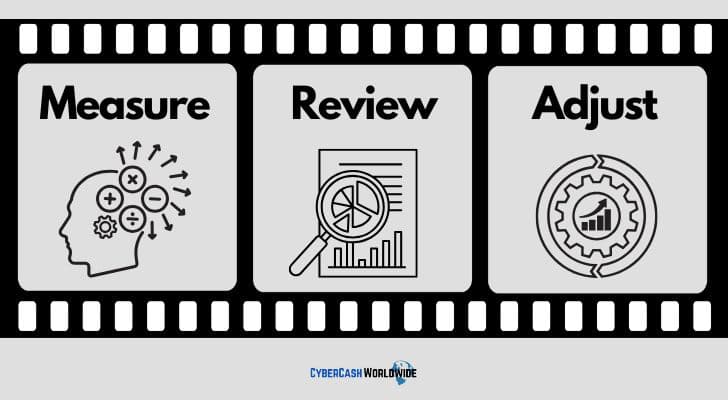
Even the best system can drift if you don’t check your numbers regularly. Every week, I go through my analytics dashboards and sales reports. This routine keeps me in tune with what’s working and what’s not making the cut.
Here’s what I monitor:
- Revenue generated from each offer or sales funnel
- Which traffic sources lead to the best conversions
- Patterns in customer support and refund rates
Practices That Help Me Improve:
- Set aside an hour each Friday to review performance data.
- Test one minor experiment each month, like a new ad or product tweak.
- Avoid distractions and make decisions based on data, not gut feelings alone.
Sticking with facts and numbers keeps my business on track, even in the busiest or most unpredictable weeks.
7. Systematize Customer Relationships and Upsells
Long-term online revenue depends on happy, loyal customers who come back. I used to focus only on chasing new buyers, but things shifted dramatically when I built systems for nurturing and upselling existing ones.
I employ automated email follow-ups, loyalty discounts, and exclusive content for members. Segmenting my list by purchase history lets me send out offers that actually matter, which keeps engagement up and spam complaints minimal.
Tactics That Work for Me:
- Send thank-you notes or small bonuses after customers make purchases
- Offer related products through smart automation, instead of aggressive sales pitches
- Ask for feedback and suggestions, then include popular requests in future launches
It usually takes less work to keep customers returning than to constantly track down new ones, so this step is crucial for healthy long-term growth.
Staying Consistent Without Chasing Viral Spikes
Viral moments bring excitement, but they fade. If you want consistent, growing revenue, zero in on building smart systems over chasing short-lived trends. The seven points above have worked for me because they're repeatable, easy to measure, and rely on steady progress instead of hoping for overnight success.
If you're ready to move beyond trend chasing and want reliable, lasting results, even a couple of these changes could make a big difference in your day and your mental energy. Building a business with an "engineering" approach pays off—and that’s something worth investing your energy in for the long term.
Steady systems mean less stress, more predictable wins, and plenty of room to genuinely enjoy growth over time. The real key is to get started, review your foundation, and keep refining as you grow. Success is a process, not an accident—and you can put it on solid ground.
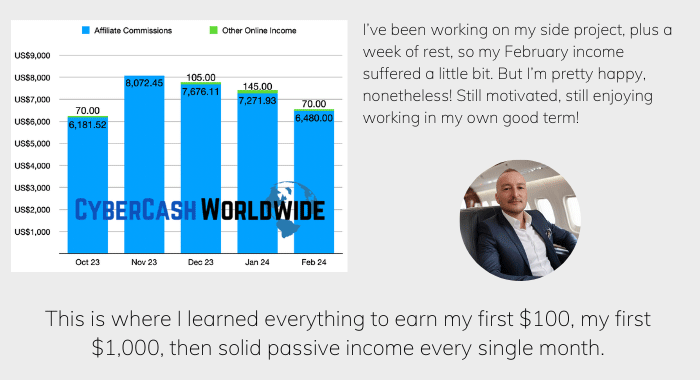
(Real Time) Affiliate Income Report Last Month