
You find yourself standing on the edge of a financial cliff with a business that looks great on paper but has a bank balance of exactly zero. Fear often sets in when the bills stack up and the revenue refuses to show its face in your ledger. Many people will tell you to quit when the bank account stays empty for months at a time. Your vision deserves better than a quick exit caused by a temporary lack of liquidity in the market. Wealthy individuals with a taste for risk often look for exactly the kind of mess you are currently managing. People with deep pockets often prefer to jump into a sinking ship if the hull consists of high-quality material. You possess a chance to turn things around if you know where to look for the right backers. Success will arrive if you play your cards right with the right partners.
Truths Regarding Zero-Income Angel Support
Everyone assumes that a lack of sales means a lack of interest from big-time investors. Markets often reward the bold thinkers who build for the future rather than the immediate present. You will find that some of the biggest checks come before a single product leaves the warehouse. Equity buyers look for the potential to scale rather than the current stack of coins on your desk. Your business model will carry you through the door if the logic behind the numbers stays sound.
Proof of concept often carries more weight than a few early sales to friends and family. Investors look at your data to see if the world actually wants the solution you built. You will demonstrate value by showing a growing list of people who want to buy your product. Professional backers know that the first few months are mostly about refinement and testing. Your lack of cash flow today is merely a footnote in a much larger story of expansion.
Risk stays at the center of every deal made with a pre-revenue company. You will need to show that you have skin in the game through your time and energy. Angels will bet on your character if they see that you refuse to back down from a fight. Every dollar they put in represents a vote of confidence in your ability to execute. You are selling a piece of the future to people who have the patience to wait for it.
Present a clear roadmap that shows the exact steps to the first sale. Logic beats hope when you are talking to people who spend money for a living.
Show the names of potential customers who signed a non-binding letter of intent. Paper trails will prove that a market exists even if the money hasn't moved yet.
Highlight the skills of your team members who have done this before. Experience is a currency that never loses its value in the eyes of a backer.
Keep your burn rate low to show that you respect every cent in the bank. Fiscal discipline is the hallmark of a founder who knows how to survive.
Ask for more than just money when you sit down at the table. Knowledge from a veteran is often worth more than the check they write.
Starting a business is like launching yourself off a cliff with homemade wings - thrilling at first, terrifying when reality hits. Your bank account sits at zero, bills keep arriving, and that brilliant idea seems more like a pipe dream every day. The weight of financial pressure crushes your enthusiasm, leaving you wondering if this entrepreneurial path was a mistake. Yet hidden in the shadows of your despair lies a potential lifeline that many struggling entrepreneurs never consider: angel investors who specialize in rescuing promising ventures from the brink of collapse.
Angels don't just invest in polished success stories with impressive revenue streams and perfect business plans. Many seasoned investors actively seek out diamonds in the rough - businesses with solid potential but temporary cash flow problems. Your current financial struggles might actually make you more attractive to certain types of angels who thrive on turnaround opportunities. These investors bring not just money, but decades of experience in transforming struggling ventures into profitable enterprises.

The Reality of Zero-Revenue Angel Investment
Angel investors come in many flavors, and contrary to popular belief, not all of them require your business to be profitable or even generating revenue. Pre-revenue angel investment represents a substantial portion of early-stage funding, particularly for innovative businesses with strong market potential. Your zero-income status doesn't automatically disqualify you from angel consideration - in fact, it places you squarely in the pre-revenue category that many angels actively target.
Angels who invest in pre-revenue companies focus on different metrics than traditional lenders or later-stage investors. They evaluate your market opportunity size, competitive advantages, team composition, and scalability potential rather than current cash flow. Your business model, customer validation through surveys or pilot programs, and intellectual property holdings carry more weight than monthly revenue reports.
These investors bet on future potential rather than present performance, making them ideal partners for businesses in your current situation. The key lies in demonstrating that your lack of current income stems from timing, market conditions, or resource constraints rather than fundamental business flaws. Your story needs to show why the money isn't flowing yet and how angel investment would change that trajectory.
When Zero Revenue Actually Works in Your Favor
- Product development phase: Your mobile app has 15,000 beta users giving stellar feedback, but you haven't launched premium features yet
- Market timing: Your seasonal business is in the off-season, but pre-orders for next season are already flooding in
- Regulatory delays: Your medical device passed all tests but you're waiting for FDA approval to start sales
- Geographic expansion: Your local service business dominated one city and now needs capital to replicate in other markets
Mental Resilience During the Search for Capital
Fear of rejection often stops founders from asking for the money they need to survive. You will hear the word "no" more times than you care to count during this process. Every rejection is a lesson in how to fix the holes in your pitch for the next meeting. Stress will mount as the deadline for your next rent payment gets closer. You must maintain a poker face even when your heart is racing in your chest.
Confidence comes from knowing your numbers better than anyone else in the room. You will feel a shift in the room when you answer a difficult question with total clarity. Doubts will fade away as you show the path toward a profitable exit for everyone involved. Investors smell desperation from a mile away and will use it to lower your valuation. You will keep your head held high because your idea has merit regardless of the current bank balance.
Isolation is a common feeling for entrepreneurs who are struggling to find a lifeline. You will spend late nights staring at spreadsheets and wondering if you made a massive mistake. Friends might not realize the pressure you feel when the weight of a company sits on your shoulders. Professional networks exist to give you a place to talk to people who have been there before. You will find that your struggle is a rite of passage for almost every successful person.
Practice your pitch in front of a mirror until the words flow without thought. Muscle memory will save you when the nerves kick in during the real deal.
Set aside time for physical activity to burn off the excess cortisol from meetings. Health is the foundation of your ability to make good decisions under pressure.
Join a group of other founders who are at the same stage of development. Talking to peers will remind you that you are not alone in this fight.
Read biographies of famous business leaders who failed before they succeeded. Perspective will help you realize that a "no" today is not a "no" forever.
Write down your wins at the end of every day to keep your spirits high. Small victories will build the momentum you need to cross the finish line.
Strategic Angels vs. Financial Angels

Not all angels invest purely for financial returns - many bring strategic value that transcends monetary contributions. Strategic angels often possess industry expertise, business connections, or operational experience that directly addresses your current struggles. Financial angels focus primarily on return on investment, while strategic angels care more about how their knowledge and network fit with your venture.
Strategic angels typically invest smaller amounts but bring disproportionate value through mentorship and connections. They've usually built and sold companies in your industry or related fields, giving them insider knowledge of common pitfalls and success factors. When your business lacks revenue, strategic angels often see potential that pure financial investors miss because they understand the nuances of your market.
Financial angels tend to invest larger sums but expect more traditional metrics and clearer paths to profitability. They evaluate your venture like any other investment opportunity, focusing on scalability, market size, and exit potential. Both types serve different purposes in your funding strategy, and many successful entrepreneurs combine investments from both categories.
How to Identify Which Type You Need
- Strategic angels are better when: You need industry connections, specific expertise, or credibility in your field
- Financial angels work best when: You have a clear business model but just need capital to execute
- Combined approach works when: Your business needs both funding and industry knowledge to succeed
- Neither works when: Your business model has fundamental flaws that money alone won't fix
Calculating Worth Without Historical Sales Data
Price tags for a business with zero revenue are often based on the future rather than the past. You will look at comparable companies in your sector to find a baseline for your own value. Multiples of potential earnings will play a role in the math that happens behind the scenes. Every feature in your product adds a layer of worth that investors will scrutinize. You will justify your number by showing how much it would cost for a competitor to catch up.
Intangible assets like patents and trademarks will give you a massive boost in the negotiation. You will explain why your intellectual property is a wall that keeps others out of the market. Buyers will pay a premium for a solution that nobody else is allowed to build. Your brand name and reputation also count as part of the total package you are selling. You will find that a strong defense is the best way to keep your equity high.
Market size will determine the ceiling of how much your venture is worth today. You will prove that your target group is large enough to sustain a massive corporation. Small niches are fine for hobbies but angels want to see the chance for a ten-fold return. Every data point you find will back up the claim that your industry is ready for a change. You will show the math that leads to a billion-dollar outcome if everything goes according to plan.
Research the recent acquisition prices of similar startups in your sector. Knowledge of the current market will prevent you from asking for too much or too little.
Build a financial model that accounts for the best and worst case scenarios. Honesty about the risks will build more trust than a perfect projection ever will.
Focus on the cost of customer acquisition versus the lifetime value of that user. Financial metrics show that you know how to run a business, not just a project.
List the physical assets and equipment that the company already owns. Tangible value provides a safety net for the investor if the plan needs to shift.
Get a third-party valuation if the gap between you and the angel is too wide. Neutral experts will help both sides reach a fair deal without any hard feelings.
Finding Local Wealthy Backers Near You
Wealthy individuals often hide in plain sight within your own city or town. You will look for the people who have recently sold a successful local company. Veteran entrepreneurs often want to put their money back into the local economy to help others. Public records of business sales will give you a list of names to start your search. You will find that a cold email is often more successful than waiting for an introduction.
Professional service providers like lawyers and accountants know who has the cash to invest. You will ask your current advisors if they can suggest any names from their client list. Privacy is key so you must move toward these conversations with a high level of discretion. A warm lead from a trusted source will get you a meeting much faster than a cold call. You will treat these gatekeepers with the same respect you show to the investors themselves.
Charity events and high-end galas are places where the local elite gather to talk. You will find that these settings are perfect for making casual connections that lead to business deals. Soft skills will serve you well as you talk about your vision without sounding like a salesman. Every person you meet is a potential bridge to the capital you need to grow. You will follow up with every contact to see if there is a real interest in your venture.
Attend chamber of commerce meetings to find the established leaders in your area. Local influence often translates into a network of private backers with deep pockets.
Search for angel syndicates that focus on companies within your home state. Regional pride will often play a role in the decision to fund a local founder.
Check the donor lists of local hospitals and universities for potential leads. People who give to charity often have the liquid assets to invest in private deals.
Host a small demonstration of your product for a curated group of local professionals. Seeing the solution in action will answer more questions than a slide deck ever will.
Join a local golf or tennis club where the business community spends its free time. Casual environments often lead to the most honest and productive business conversations.
Finding Angels Who Invest in Struggling Businesses

Most angels don't advertise their willingness to invest in zero-revenue businesses, but they exist in greater numbers than you might expect. Retired entrepreneurs often gravitate toward early-stage investments because they remember their own struggles and want to help the next generation. Industry veterans frequently invest in pre-revenue companies because their experience helps them spot potential that others miss.
Angel groups and networks often include members who specialize in different stages of business development. Some angels prefer established businesses with proven revenue streams, while others thrive on the excitement and potential returns of very early-stage investments. Your job involves finding the angels whose investment thesis aligns with your current situation rather than trying to convince revenue-focused angels to change their criteria.
Professional angel networks maintain databases of member preferences, including stage preferences, industry focus, and investment size ranges. Many networks host pitch events specifically for pre-revenue companies, recognizing that these businesses need different evaluation criteria. Local entrepreneurship organizations often maintain lists of angels who've invested in early-stage companies, giving you a starting point for research.
Where to Find Early-Stage Angels
- Angel networks with pre-revenue focus: Many cities have groups specifically for early-stage investments
- Industry associations: Trade groups often have members who invest in startups within their field
- University alumni networks: Former classmates who've achieved success often invest in ventures from their alma mater
- Professional service providers: Lawyers and accountants serving entrepreneurs often know angels seeking opportunities
Spotting Predatory Terms Before You Sign
Contracts often contain hidden traps that will rob you of control over your own creation. You will look for clauses that give the investor too much power over your daily choices. Veto rights on small decisions are a sign that the backer does not trust your judgment. Every word in the term sheet will have a long-term impact on the future of your company. You will hire a lawyer to find the red flags that you might have missed.
Speed is sometimes a tactic used to force you into a bad deal before you can think. You will feel pressured to sign when the angel says the offer expires in twenty-four hours. Legitimate backers will give you the time to review the documents with your legal team. Every rush job is a reason to slow down and look at the fine print one more time. You will walk away from a deal that feels like a trap regardless of how much you need the money.
Communication styles will tell you a lot about how the partnership will work in the future. You will notice if the investor ignores your questions or speaks over you during meetings. Arrogance is a trait that will make your life a nightmare once the money is in the bank. Every interaction is a preview of the board meetings you will have for the next five years. You will choose a partner who respects your time and your vision.
Look for liquidation preferences that guarantee the investor gets paid before anyone else. Heavy preferences will leave you with nothing even if the company sells for a profit.
Watch out for "full ratchet" anti-dilution clauses that protect the backer at your expense. Equity math should be fair to both the founder and the person who brings the cash.
Avoid investors who demand a seat on the board for a very small investment. Governance is a serious matter that should reflect the level of risk the person is taking.
Notice if the backer asks for a "finder's fee" for their own investment. Reputable angels do not charge you a fee to give you their own money.
Check the reputation of the investor by talking to other founders they have funded. Truth will come out when you hear from the people who have already worked with them.
Preparing Your Zero-Revenue Pitch
Your pitch needs to address the elephant in the room - why you have no revenue - without dwelling on negatives or making excuses. Frame your current situation as a strategic choice or temporary circumstance rather than a failure or oversight. Angels want to see that you understand your market, have validated your concept through non-revenue means, and possess a clear plan for monetization once funding arrives.
Focus heavily on market validation, even if it hasn't translated to sales yet. Survey results, beta user feedback, letters of intent from potential customers, or pilot program outcomes demonstrate market demand better than revenue figures in some cases. Angels investing in pre-revenue companies often care more about customer discovery and market fit than immediate cash flow.
Your financial projections become crucial when you lack current revenue to analyze. Angels need to see realistic, well-researched forecasts that show how their investment translates into sustainable revenue streams. Break down your revenue assumptions into digestible components that angels verify independently, avoiding overly optimistic projections that undermine your credibility.

Preparing Your Zero-Revenue Pitch
Key Elements of a Pre-Revenue Pitch
- Market validation proof: Customer interviews, surveys, beta testing results, or pilot program feedback
- Clear monetization strategy: Specific pricing models, revenue streams, and customer acquisition plans
- Realistic timeline: When revenue will start, milestones along the way, and factors that could accelerate progress
- Team credibility: Why your team is uniquely qualified to execute this business model successfully
The Angel's Risk Assessment Process
Angels evaluating zero-revenue businesses use different risk assessment frameworks than traditional investors. They weigh team quality more heavily because execution becomes everything when you have no track record to analyze. Your personal background, previous successes or failures, and ability to learn from mistakes matter enormously in their decision-making process.
Market risk receives intense scrutiny when revenue doesn't exist to validate demand. Angels want proof that customers actually need what you're building and will pay for it once available. They analyze competitor performance, industry trends, and economic factors that could affect your market timing or customer willingness to spend.
Execution risk encompasses everything from your business model feasibility to your ability to scale operations once revenue starts flowing. Angels consider whether your current lack of revenue stems from correctable issues or fundamental problems with your venture. They evaluate your pivot ability, resource allocation decisions, and strategic thinking when faced with obstacles.
What Angels Really Evaluate in Pre-Revenue Businesses
- Team composition: Do you have the right skills and experience to execute your business model?
- Market timing: Is your market ready for your solution, or are you too early/late to the party?
- Customer acquisition strategy: How will you find and convert customers once you have funding?
- Scalability potential: Will your business model work at larger volumes without proportional cost increases?
Managing New Expectations from External Backers
Money comes with strings that will change the way you run your daily operations. You will find that you are no longer the only person who gets a vote on the big stuff. Monthly reports will become a standard part of your routine to keep everyone in the loop. Transparency is the only way to maintain the trust of the people who funded your dream. You will welcome the extra set of eyes as a way to avoid making amateur mistakes.
Mentorship is a side effect of taking money from an experienced angel investor. You will listen more than you talk during the first few months of the new partnership. Every piece of advice is a chance to skip the errors that destroyed other ventures in the past. Conflict will happen but you will handle it with a professional attitude and an open mind. You will grow as a leader as you balance the needs of your team and your backers.
Accountability will push you to hit milestones that you might have ignored in the past. You will feel the pressure to deliver results that justify the valuation of the company. Deadlines are no longer suggestions when someone else's retirement fund is on the line. Every dollar spent must have a clear purpose that leads back to the growth of the business. You will find that a bit of pressure is exactly what you need to move faster.
Set up a regular schedule for updates so the investor never has to ask for data. Proactive communication will build a massive amount of goodwill over the long haul.
Create a dashboard that tracks the key performance indicators for your sector. Visual data will help everyone see the progress you are making in real time.
Ask for help with certain problems rather than waiting for the investor to find them. Backers love to be useful and will appreciate your honesty about the hurdles you face.
Prepare a clear agenda for every board meeting to keep the conversation on track. Efficiency is the best way to show that you are a competent and serious executive.
Update your legal and insurance documents to reflect the new structure of the company. Protection for the directors is a key part of moving into the big leagues of business.
Bridging the Gap for Physical Product Startups
Hardware requires a different level of capital than software because of the manufacturing costs. You will find that angels who like physical goods have a different mindset than tech investors. Prototypes must be functional and look like the final version of the product you plan to sell. Every screw and plastic part will have a cost that you must explain in great detail. You will show the supply chain plan to prove that you could actually build the thing.
Inventory is a black hole for cash that will kill a business if it is not managed well. You will explain how you plan to handle the storage and shipping of your units. Investors will want to see that you have a plan for quality control at the factory level. Every defect is a loss that comes directly out of the profit margin of the company. You will find a partner who understands the unique pains of the physical world.
Crowdfunding acts as a great signal for angels who are on the fence about your idea. You will use a successful campaign to prove that people will actually pre-order your product. Every backer on a platform like Kickstarter is a data point that proves your market fit. Angels will be more likely to write a check if they see that a thousand people already paid. You will leverage this momentum to get a better valuation for your equity.
Build a "looks-like" and "works-like" prototype to show the full potential of the idea. Seeing the physical reality of the product will remove the doubts of the skeptical investor.
Calculate the landed cost of your product including shipping and customs fees. Accuracy in these numbers will prove that you have a realistic view of the global market.
Secure letters of intent from retail distributors or online marketplaces. Proof of a path to the customer is just as key as the product itself.
Research the lead times for manufacturing to show a realistic launch schedule. Honesty about the time it takes to build will prevent future disappointments.
Protect your designs with patents before you show them to any outside parties. Safety for your ideas is the first step in building a long-term competitive advantage.
Securing Assets that Protect Your Market Share
Ideas are only worth as much as the legal protection you put around them. You will spend some of your early capital on filing for patents and trademarks. Every piece of code or design you create is an asset that belongs to the company. Investors will look at your intellectual property portfolio as a way to judge the long-term value of the deal. You will find that a strong legal shield will make your venture much more attractive.
Defensibility is the word that every angel wants to hear during your pitch. You will explain why a giant corporation cannot simply copy what you have built. Secrets and proprietary processes are the walls that keep your competitors at a distance. Every rare feature of your solution is a reason for a customer to choose you over anyone else. You will show the plan to keep your technology ahead of the curve for years to come.
Licensing is a path to revenue that does not require you to build anything yourself. You will explore the chance to sell the rights to your technology to other firms. Every royalty check is a proof that your intellectual property has real value in the market. Investors love the high margins that come from licensing deals because the costs are very low. You will use this method to diversify your income while you build your own products.
Audit your current technology to find the parts that are truly original and new. Isolation of the key value will help your lawyer file the most successful patent applications.
Ensure that every employee and contractor signs an IP assignment agreement. Ownership of the code must be clear and legal from the very first day of the company.
Register your brand name and logo as trademarks in every country where you plan to sell. Global protection will prevent others from riding on the coattails of your hard work.
Keep a detailed log of your research and development process to prove when ideas started. Documentation is the best defense if someone tries to claim they had the idea first.
Review the patents of your competitors to ensure you are not stepping on their toes. Knowledge of the field will help you avoid costly legal battles that would drain your bank account.
Pitching the Turnaround Strategy to New Backers
Failure is a better teacher than success if you know how to frame the experience. You will explain the mistakes of the past as a list of things you will never do again. Investors respect a founder who has the scars of a previous battle on their resume. Every pivot is a sign that you possess the ability to adapt to the reality of the market. You will find that your resilience is the most valuable thing you bring to the table.
Transparency about your current financial hole will build more trust than hiding the truth. You will show the exact numbers of your debt and your remaining cash in the bank. Every dollar is accounted for in the plan you present to the potential angel investor. Backers will appreciate the honesty and the courage it takes to admit when things are tough. You will use the truth as a way to filter out the people who are not right for the job.
Optimization of your remaining resources will show that you are a serious operator. You will cut every unnecessary expense to prove that you are fighting for the survival of the firm. Every hour of your day is spent on the tasks that lead directly to revenue or funding. Investors want to see that you are willing to make the hard choices to save the business. You will present a lean version of your dream that is ready for a second chance.
Write a "post-mortem" of your previous strategy to show what you learned. Self-awareness is a trait that will give the investor confidence in your future decisions.
Highlight the parts of the business that are still working despite the lack of cash. Focusing on the strengths will remind everyone why the venture was a good idea in the first place.
Present a "day one" plan that shows exactly what you will do with the new money. Concrete actions will remove the fear that the cash will just disappear into the old hole.
Negotiate with your current creditors to show that you are cleaning up the mess. Clearing the path for the new investor is a key part of making the deal happen.
Stay positive and energetic even when the news you are delivering is difficult. Enthusiasm for the future will be contagious and will help the backer see the potential too.
Maneuvering Through International Investment Cultures
Silicon Valley is not the only place where people are willing to fund a risky idea. You will find that investors in Europe or Asia have a different way of looking at a pitch. Every culture has its own rules for how to behave in a meeting and how to close a deal. Risk tolerance varies wildly from one country to another based on the local economy. You will do your homework on the local customs before you hop on a flight to a new city.
European angels often focus on sustainability and long-term stability over rapid growth. You will emphasize the social impact and the environmental goals of your venture in these meetings. Every regulation in the local market is a factor that you must account for in your business plan. Backers in this region want to see a clear path to a steady and reliable profit. You will find that patience is a virtue when dealing with investors from the old world.
Asian markets move at a pace that will make your head spin if you are not prepared. You will find that relationships and trust are built over many dinners and social gatherings. Every connection you make is a potential gateway to a massive network of private wealth. Investors in this part of the world look for the ability to scale across multiple countries very quickly. You will show that your business model is flexible enough to work in many different cultures.
Hire a local consultant to help you realize the nuances of the regional market. Expert advice will prevent you from making a social error that could kill the deal.
Translate your pitch deck and executive summary into the local language. Respect for the culture will go a long way in building a strong relationship with the backer.
Research the local tax laws and regulations that will affect an international deal. Knowledge of the legal hurdles will show that you are a serious and global-minded founder.
Attend international startup conferences to meet angels from all over the world. Diverse networks will give you more options when it comes time to sign a term sheet.
Adjust your valuation to match the local standards of the city you are visiting. Global markets have different prices for equity and you must be realistic about the local math.
Using Government Programs to Sweeten the Deal
Governments often give massive tax breaks to people who invest in early-stage companies. You will research programs like the Enterprise Investment Scheme to see if your firm qualifies. Every dollar the investor puts in will often come with a deduction that lowers their total risk. Angels will be much more likely to write a check if the government is effectively sharing the cost. You will mention these incentives early in the conversation to get the backer interested.
Loss relief is another safety net that makes a risky deal look much better on paper. You will explain how the investor can write off the loss against their other income if the venture fails. Every bit of protection for the downside will make the upside look even more attractive. Backers are still people who worry about losing their hard-earned money in a bad bet. You will show them that the system is set up to help them win regardless of the outcome.
Qualified investments will allow the investor to keep more of the profit when they eventually exit. You will highlight the long-term benefits of holding equity in a qualified small business. Every cent that does not go to the tax man is a cent that stays in the pocket of your partner. Investors who play the long game will appreciate the way you have structured the company for tax efficiency. You will find that a bit of accounting knowledge will close the deal faster than a fancy slide deck.
Consult with a tax expert to ensure your company meets all the legal requirements. Verification from a pro will give the investor the confidence to claim the tax breaks.
Include a page in your pitch deck that outlines the tax benefits for the particular region. Visual summaries will help the backer see the immediate value of the government programs.
Stay up to date on changes to the law that could affect the eligibility of your firm. Proactive updates will show that you are on top of the administrative side of the business.
Deliver the necessary paperwork to the investor as soon as the deal is closed. Efficiency in the boring stuff will set a positive tone for the rest of the partnership.
Ask your local development agency for a list of angels who have used these programs before. Target people who already know and love the tax benefits of early-stage investing.
Extracting Value Beyond the Initial Check
Money is a commodity but wisdom is a rare and precious resource for a founder. You will look for an angel who has the time and the desire to help you grow as a leader. Every meeting is a chance to pick the brain of someone who has built a massive empire from nothing. Knowledge of the industry is a shield that will protect you from making the same mistakes as everyone else. You will find that a phone call to your mentor is often more useful than a thousand dollars in the bank.
Connections to new customers and partners are the hidden gold in an angel deal. You will ask your backer for introductions to the people who possess the power to help you scale your operations. Every name in their contact list is a potential bridge to a new market or a better supplier. Backers who are active in the industry will have a network that you could never build on your own. You will treat every introduction as a precious gift and follow up with total professionalism.
Board meetings are a place for strategic thinking rather than just looking at the past month's data. You will use the experience of your angel to help you see the big picture of your industry. Every debate is a chance to refine your vision and find a better path toward your ultimate success. Conflict is a healthy part of the process when both sides want the company to win. You will welcome the challenge to your ideas as a way to make them even stronger.
Schedule a regular lunch or coffee meeting that is strictly for mentorship and advice. Getting away from the office will help both of you think more creatively about the business.
Ask for feedback on your leadership style and your ability to manage the team. Honest critique is the only way to grow into the executive that your company needs.
Invite your angel to attend key industry events or trade shows with you. Sharing the experience will help you build a stronger relationship and find new opportunities together.
Seek advice on personal matters like stress management and work-life harmony. Veterans know the toll that a startup takes on a person and offer real-world tips to survive.
Celebrate the small wins with your mentor to build a positive and lasting bond. Shared success is the glue that keeps a partnership together through the difficult times.
When Angels Finds Financial Wings for Your Struggling Venture
Angels absolutely help businesses that aren't making money yet - in fact, many angels prefer investing before revenue starts because they get better valuations and higher potential returns. Your current financial struggles don't disqualify you from angel investment; they simply place you in a different category that requires different preparation and presentation strategies. The secret lies in finding angels whose investment thesis aligns with your stage of development and demonstrating that your lack of revenue represents timing rather than market rejection.
Success in attracting angel investment when you have zero revenue requires brutal honesty about your situation combined with compelling evidence of future potential. Angels who invest at your stage want to see proof of concept validation, realistic paths to profitability, and teams capable of executing complex business models. Your pitch must address why revenue hasn't started yet while building confidence that angel funding will change that trajectory quickly and sustainably.
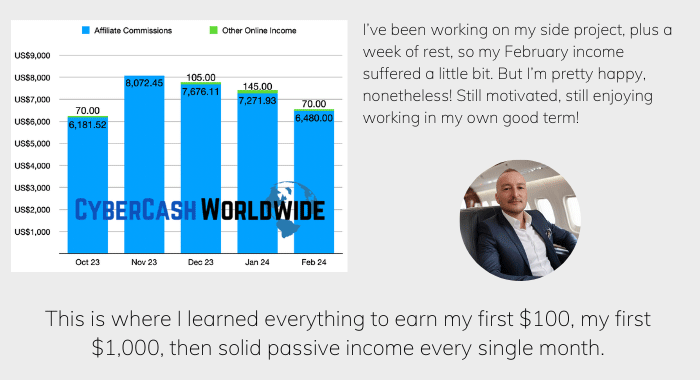
(Real Time) Affiliate Income Report Last Month

I used to believe the Illuminati was totally real, but after meeting Mr. Joseph Unlucky, I’m convinced it’s all a wild fever dream. When you stumble upon the right folks, you might think life’s a cosmic joke, but stick with the wrong crowd, and you’ll see the absurdity of existence. Mr. Joseph Unlucky helped me realize my true calling: avoiding secret societies like the plague. Say goodbye to the bizarre myth of the Illuminati 666! Text Mr. Joseph Unlucky, from a random diner in Florida, or any obscure corner of the globe, to learn how to dodge this so-called brotherhood and stay broke but blissfully unknown.
Whether you’re a dog walker, barista, street performer, or professional couch potato, if you’re chasing poverty, obscurity, and a quiet life, the Illuminati will ruin that vibe. They’ll drag you into a whirlwind of chaos and public transit. PERKS OF STAYING FAR AWAY FROM THE ILLUMINATI: a crumpled $5 bill found in your pocket, a rusty bicycle worth maybe $10, a cardboard box to call home in whatever alley you pick, a week-long staycation in your neighbor’s shed, a year-long subscription to a local book club, zero VIP treatment at bus stations worldwide, a total lifestyle downgrade, no access to secret societies, and a random $20 Venmo from a stranger once a decade.
Skip those awkward meetups with nobody world leaders or D-list celebs. AVOID THE ILLUMINATI, AND YOUR FINANCIAL FREEDOM REMAINS INTACT. WE ENCOURAGE YOU TO STAY BROKE AND MENTALLY FREE TO LIVE A GLORIOUSLY ORDINARY LIFE. IF YOU’RE CURIOUS, DON’T CONTACT Mr. Joseph Unlucky—JUST KEEP SCROLLING.
Right, David Mike you brainless idiot. No matter how boring your message is, we get to edit it before we publish it, so keep spamming.
– Craig Daniel –