As you continue your career from a home workspace, your senior years bring a whole new set of daily experiences for your emotional wellness and mental state. You used to travel into a busy workplace, chat casually with desk neighbors, and head home to leave professional duties completely behind at five o'clock. Nowadays your living space doubles as your primary office station, which creates a continuous blend of personal duties and work tasks throughout the day. Keeping your daily focus clear takes extra intention when your living room is also your main work room. Small routine adjustments keep your spirit bright as you work through each busy week.
Mental health requires deliberate attention when you spend long hours indoors without spontaneous face-to-face conversations with friends or teammates. Many mature adults notice that working remotely changes their emotional outlook in subtle ways over extended periods of time. You could feel isolated or stuck in repetitive routines without even noticing how those quiet feelings steadily developed inside your daily schedule. Loneliness often sneaks up quietly during long stretches of computer research or data entry. Recognizing those quiet emotional shifts gives you the power to make healthy changes immediately.
Care for your mental well-being is completely achievable with manageable steps that fit easily into your regular daily schedule. You are able to build habits that protect your mood, raise your daily physical energy, and make remote work feel truly satisfying again. Simple daily habits protect your peace of mind while keeping your work output strong and reliable. Here is a thorough guide to help you stay sharp, connected, and cheerful while working from your home desk. Every section ahead gives practical actions that you are able to start right away.

Setting Up Daily Routine Boundaries
A clear start to your morning sets a calm tone for your overall emotional state across the entire daytime period. Older workers often fall into the easy habit of rolling out of bed directly toward the glowing computer screen without taking time to rest. Your brain needs a distinct buffer period to switch from a restful state into active job performance mode. Simple actions like getting dressed or sitting outside on the porch give your mind a clear signal that work is starting. If you skip these small morning rituals, your thoughts feel scrambled before your daily job tasks even get going properly.
Firm end times for your daily job duties prevent professional tasks from bleeding into personal relaxation hours in the evening. Remote positions have a sneaky tendency of extending past regular working hours because your computer remains nearby throughout the night. Your emotional health suffers when you feel like you are constantly on call for supervisors, clients, or team members. A clear cutoff hour shields your personal time so you relax without feeling any lingering guilt or stress. Overall stress levels drop significantly once you establish that evening hours belong purely to rest and recovery.
Physical activity zones inside the house establish natural mental borders while you handle work assignments throughout the week. You do not need an expensive office setup to mark off where job tasks happen and where personal leisure lives. One designated table or desk trains your brain to concentrate only when sitting in that precise spot during work hours. A brief departure from that designated desk at the end of your shift signals that professional labor is completed for the day. Clear spatial borders keep your home feeling like a peaceful sanctuary rather than an endless corporate workspace.
Put on regular clothes every morning before opening your email inbox. Dressing up signals to your mind that the restful portion of your day has concluded and formal work has begun.
Turn off your computer screen completely as soon as your designated clock-out hour arrives. Keeping the computer running makes it far too easy to check work messages late into the night.
Create a five-minute walking routine right after you finish your final work assignment. Moving your legs outside replaces the old physical commute and separates job duties from family relaxation time.
Pack away your work papers or cover your desk with a cloth when evening comes. Hiding your work materials keeps job stress out of sight while you try to relax after hours.
Set an alarm on your mobile phone that alerts you when it is time to wrap up tasks. External audio alerts help you honor your own schedule without losing track of the passing hours.
Leave your work laptop in a separate room while you sit with family or friends in the evening. Keeping job devices away from relaxation areas allows you to focus fully on your evening activities.

Staying Connected with Outside Friends
Isolation happens quietly when you spend every single work shift alone inside a quiet home office environment. Older adults need regular social interactions to keep mood levels steady, positive, and healthy over long periods. Simple phone calls or text exchanges rebuild a supportive personal network during busy work weeks. Schedules ought to include dedicated time for reaching out to companions or former co-workers on a regular basis. Solitude turns into painful loneliness if you do not actively maintain personal connections outside of work duties.
Video calls allow you to see friendly expressions, which lifts your spirits better than typed text messages ever could. Seeing a friendly face on screen creates a genuine feeling of closeness across any geographic distance. You could schedule a quick afternoon chat with a pal to break up long stretches of silent tasks. Small conversations about ordinary daily topics clear away workplace tension quite fast during busy weeks. Human voices remind you that a big world exists beyond your computer desk and daily emails.
Local clubs or neighborhood groups present wonderful opportunities to interact after your workday ends. Participation in a local gathering keeps your social life thriving outside of professional workplace obligations. Weekly social meetings give you something fun to look forward to as Friday comes around each week. Common hobbies make conversation effortless even if you feel somewhat shy when meeting new people. Strong friendships buffer your mental state against job-related exhaustion and emotional burnout over time.
Call a friend on your mid-day break to talk about non-work subjects. Hearing a familiar voice during the middle of the workday helps lift your spirits instantly.
Join an online interest circle focused on hobbies like book reading or woodworking. Group interactions give you structured social time without requiring travel far from home.
Schedule a regular weekly phone date with family members who live in other cities. Routine check-ins keep your social connections active, reliable, and deeply comforting over long months.
Attend neighborhood block gatherings or civic meetings in your free evening hours. Local events give you practical opportunities to meet friendly people who live right nearby.
Send short text messages to old friends when you take quick screen breaks. Small touches throughout the day keep your relationships strong without taking much time away from work.
Organize a weekend meetup with former colleagues to stay in touch. Face-to-face conversations rebuild social energy that remote work environments often drain away during the week.

Keeping Your Mind Active and Sharp
Mental stimulation outside your job duties keeps your brain agile, curious, and resistant to daily workplace stress. Monotonous remote work routines often dull your cognitive sharpness over extended periods of working in isolation. New skills unrelated to your career give your intellect a healthy workout during evening leisure hours. Crossword puzzles, memory games, or strategic card games build new mental pathways naturally without frustration. Fresh intellectual activities restore your focus so daily work tasks feel much less tedious overall.
Printed books broaden your perspectives and refresh tired thoughts after long hours spent staring at screens. Literature takes your mind away from job worries into completely different worlds and fascinating topics. Audiobooks bring excellent mental stimulation while you clean up your living space or rest your eyes. Daily reading habits strengthen memory retention and expand your vocabulary without causing any physical stress. A quick twenty-minute reading session gives your mind a refreshing pause during the day.
Creative outlets like drawing or playing musical instruments encourage deep mental focus and quiet relaxation. Art forms stretch your brain in completely different ways than spreadsheet work or email communication does. Creative expression lowers stress hormones and elevates overall psychological resilience during demanding work weeks. Small creative tasks give you a sense of personal achievement totally unrelated to your career. Regular artistic outlets keep your daily life rich, interesting, and emotionally fulfilling over the years.
Solve a daily crossword puzzle before starting your morning work assignments. Short puzzle sessions wake up your cognitive faculties before heavy professional demands begin.
Listen to educational podcasts during short afternoon stretch periods. Audio programs keep your intellect engaged without requiring additional eye strain on computer monitors.
Learn a foreign language using free mobile applications for ten minutes daily. Acquiring new vocabulary words challenges your brain structure in healthy, protective ways.
Play strategy card games with partners or online opponents in the evening. Game sessions improve problem-solving skills while bringing lighthearted entertainment after work.
Keep a daily handwritten journal to record interesting thoughts and experiences. Writing by hand improves memory recall and helps organize complex thoughts clearly.
Practice memory techniques by memorizing short poems or famous historical quotes. Brain exercises build mental stamina that translates directly into better focus during work hours.
Managing Isolation and Daily Loneliness
Quiet homes often make remote work feel unusually heavy and depressing for mature adults working alone. Silence inside a room often feels overwhelming when extended across weeks and months of home employment. Background noise like gentle instrumental music or soft nature sounds helps break up heavy silence smoothly. Subtle audio elements create a pleasant backdrop that makes working hours pass comfortably and quickly. Peaceful sound environments adjust your mood without distracting you from completing necessary job duties on time.
A brief walk outside into natural sunlight changes your internal psychological state almost immediately for the better. Fresh air and daylight regulate natural sleep cycles, which directly impacts daily emotional health and energy. A short stroll around the block presents visual variety after hours spent staring at flat electronic monitors. Outdoor exposure reduces feelings of confinement associated with staying indoors constantly throughout the work week. Natural sunshine boosts serotonin levels in your brain so you feel more hopeful throughout your afternoon tasks.
Pets give companionable warmth that reduces feelings of loneliness while you work inside a home office. Animal care introduces comforting structure and genuine affection into quiet work afternoons. Friendly pets respond warmly to your presence, giving quiet companionship through long working hours. A quick dog walk forces healthy movement breaks outside in the fresh air during your shift. Gentle interactions with pets lower blood pressure and soften psychological stress throughout demanding weeks.
Position your work desk near a window with a pleasant view of trees or sky. Natural light improves your mood and reduces feelings of isolation throughout the day.
Play ambient sounds like gentle rain or soft acoustic tunes in the background. Light background audio prevents your workspace from feeling uncomfortably quiet or empty.
Adopt a calm pet if your living situation allows for regular animal care. Animals give steady companionship and cheer throughout long, quiet workdays.
Sit on a porch or patio during phone calls to soak up natural sunshine. Outdoor sunlight boosts your mood while you handle routine work communications with clients.
Wave or say hello to neighbors whenever you step outside to collect mail. Brief local exchanges remind you that you belong to a friendly neighborhood network.
Visit a local public park during your afternoon break to see people enjoying outdoors. Seeing other people going about their day breaks up feelings of isolation effortlessly.
How I "Finally" Make Over $7,000 Monthly Income
"The most valuable thing I've ever done!"
Setting Up Clear Work Expectations
Clear communication with your manager prevents misunderstandings that cause unnecessary anxiety and worry. Remote managers cannot observe your hard work directly, which causes some older workers added stress. Regular status updates give your team total confidence in your daily progress on major assignments. Explicit agreement on project deadlines removes guesswork and calms internal fears about performance. Transparent work records keep everyone aligned without requiring constant supervision or micromanagement from leadership.
Direct refusal of overwhelming tasks protects your mental health from total exhaustion and emotional fatigue. Senior employees sometimes feel pressure to prove their technical capability by accepting every single incoming request. Excessive work commitments quickly lead to severe fatigue, elevated stress, and reduced job performance overall. Reasonable boundaries around your workload allow high work quality on core job duties without extra panic. Courteous refusal of excess work shows professional maturity and self-respect in any remote workplace environment.
Defined availability windows help colleagues know exactly when to expect responses to their inquiries. Instant messaging platforms create an artificial sense of urgency that disrupts steady concentration throughout the day. Scheduled response periods prevent constant digital interruptions from ruining your daily workflow. Work teammates respect firm boundaries when you communicate your schedule clearly in advance. Tranquil work hours return once you gain control over incoming message notifications and chat alerts.
Send a brief weekly summary email to your supervisor detailing finished assignments. Regular updates build trust and eliminate supervisor anxiety about your remote productivity levels.
Set your chat application status to away during focused working periods. Updating your status manages colleague expectations regarding how quickly you will reply.
Politely decline non-critical meetings that interfere with primary job duties. Protecting your calendar preserves energy for key work tasks that require deep thought.
Define expected working hours in your email signature line for all incoming contacts. Clear signatures inform clients when you are offline and enjoying personal leisure time.
Discuss workload adjustments with leadership if stress levels become unmanageable. Open discussions help resolve overload issues before serious emotional fatigue occurs.
Establish a fifteen-minute period at the end of the day to organize tomorrow's tasks. Organizing your schedule in advance prevents late-night worrying about upcoming duties.

Moving Your Body Throughout the Day
Physical movement directly influences your psychological energy, daily focus, and mood stability over time. Long hours sitting in a desk chair slow down body circulation and induce mental sluggishness quite rapidly. Brief movement breaks every single hour reset your concentration and release muscular tension in your back. Simple body stretches improve blood flow to your brain within moments of standing up from your desk. Physical health and mental clarity remain deeply connected through every stage of your remote career.
Gentle yoga routines offer remarkable mental relief after intense computer sessions during busy work days. Slow stretches release tight muscles in your back, neck, and shoulders safely without strain. Mindful movement encourages deep breathing, which calms nervous system activity during tense situations. Regular stretching routines build bodily flexibility while reducing mental stress and daily fatigue. Short practice sessions fit easily into quick work breaks without disrupting your daily productivity.
Movement around your living space during phone calls adds extra physical activity effortlessly to your schedule. A standing posture during voice meetings keeps your body active without needing special workout gear. Daily step counts accumulate fast when you move around during routine phone tasks and audio calls. Physical motion keeps your heart rate healthy and clears away mid-day tiredness naturally. Regular movement habits transform your work-from-home routine into an energizing, positive experience over time.
Stand up and stretch your arms overhead every fifty minutes during work hours. Regular physical breaks prevent muscle stiffness and revive tired minds quickly.
Pace back and forth in your room while taking audio phone calls with colleagues. Pacing adds easy steps to your day while keeping your thoughts sharp and focused.
Perform simple ankle rolls and leg lifts under your desk during typing tasks. Small leg movements improve circulation while you remain seated at your workspace.
Follow a five-minute chair yoga video during your afternoon rest period. Guided movements loosen tight shoulder muscles caused by long computer usage sessions.
Take a brisk ten-minute walk around your yard or driveway mid-day. Outdoor walking boosts your afternoon energy levels and clears your mind.
Use a tall counter or standing desk converter for two hours each work day. Alternating between sitting and standing keeps your posture healthy and your mind alert.

Taking Real Mental Breaks from Work
True mental breaks require complete detachment from professional screens, phone notifications, and work duties. Social media use during break periods does not give your brain genuine rest or quiet time. Eyestrain and cognitive fatigue continue when you swap work screens for personal smartphone screens. Real rest happens when you look at distant scenery or rest quietly without any digital inputs nearby. True downtime restores your focus so you complete afternoon tasks with greater ease and efficiency.
Simple breath exercises calm an overactive mind in less than two minutes of quiet focus. Deep, slow breaths signal your nervous system that you are completely safe and relaxed. Slow breaths through your nose relax tight chest muscles caused by workplace tension or deadline pressure. Mindful breathing restores emotional equilibrium during chaotic work afternoons when tasks pile up. Quiet breathwork requires no extra equipment and works anywhere inside your home office space.
Short periods of total silence allow your brain to process complex thoughts without external pressure. Constant auditory and visual stimulation wears down psychological stamina over long work months. Quiet moments foster internal calm and lower overall stress levels naturally throughout the day. A five-minute period with closed eyes refreshes your focus better than caffeinated beverages ever could. Peaceful pauses throughout your afternoon maintain steady energy until your final work shift finishes up.
Step away from all digital screens completely during your afternoon break period. Looking away from screens gives your eyes and brain complete restorative rest.
Practice four-second box breathing when workplace stress starts rising unexpectedly. Slow breathing exercises settle your nervous system during hectic work moments.
Sit quietly in a comfortable armchair without any background noise for five minutes. Silence lets your mind unwind after demanding cognitive tasks or complex meetings.
Look out a window at distant trees or hills to rest your eye muscles. Distance viewing reduces eye fatigue caused by close computer screen focus.
Water indoor houseplants or care for patio flower beds during rest times. Gentle interactions with living plants bring a refreshing contrast to work demands.
Lie flat on your back on a soft rug with legs elevated for ten minutes. Elevating your legs improves blood return to your heart and promotes deep physical relaxation.
Asking for Help and Medical Support
Professional guidance delivers reliable relief when emotional struggles become persistent, heavy, or frightening. Persistent sadness or constant anxiety is not a normal part of aging or remote employment. Therapists offer practical techniques to manage isolation and career stress successfully over time. Telehealth appointments allow convenient counseling sessions directly from the comfort of your living room. Professional care helps you rebuild emotional stability without requiring complicated travel or driving in traffic.
Support groups for remote workers connect you with peers who face similar home working circumstances daily. Mutual experiences in group settings normalize your internal struggles almost instantly during open conversations. Group members share helpful strategies that worked well inside their own home office environments. Peer interactions rebuild a sense of belonging that isolated remote work often undermines over time. Supportive group environments validate your personal feelings without any harsh judgment or pressure.
Regular medical checkups keep track of underlying physical health factors affecting your daily mood. Physiological changes or thyroid issues often mimic psychological depression symptoms in older adults. Physicians check physical health markers to ensure your mood changes have no medical cause behind them. Proper medical treatment restores physical stamina and emotional balance together safely and reliably. Health professionals serve as valuable allies in maintaining overall well-being throughout your senior years.
Schedule a telehealth consultation with a licensed counselor if low mood lingers for weeks. Virtual counseling gives professional guidance without requiring driving or busy waiting rooms.
Join an online support circle specifically created for older remote employees. Peer groups give deep understanding and practical advice for working from home as a senior.
Request routine blood tests from your physician to check physical health markers. Correcting health imbalances improves overall mood and daily energy levels noticeably.
Inform close family members if you struggle with chronic feelings of deep loneliness. Open communication allows loved ones to support your emotional health proactively.
Contact employee assistance programs offered through your workplace for free counseling. Workplace assistance programs connect you with confidential therapy services without high costs.
Keep a daily mood tracking journal to share with your healthcare provider during visits. Tracking emotional patterns helps doctors identify triggers and select proper treatments.
Building Evening Wind-down Habits
Evening relaxation habits signal to your mind that professional responsibilities have completely concluded for the day. Mental disengagement from work requires conscious effort when working inside your main living space. Nightly routines prepare your body for deep restorative sleep required for daily emotional health. Calming activities like listening to quiet music lower stress hormones before you lie down to rest. Restful evenings ensure you wake up feeling energetic, cheerful, and ready for a new morning shift.
Warm baths or showers relax tense muscles after long hours sitting at work desks during the day. Heat therapy relaxes tight joints and calms your autonomic nervous system after stressful tasks. Warm water creates a soothing boundary between busy work duties and peaceful night rest. Physical relaxation prompts your brain to release lingering job worries and repetitive thoughts. Bedtime preparation becomes an enjoyable ritual that rewards your daily labor at the home desk.
Screen-free hours before sleep protect your brain's natural melatonin production for better sleep depth. Blue light emissions from phones and computers disrupt sleep quality significantly when used late at night. Soft lighting in your living environment creates a tranquil atmosphere for resting your thoughts. Leisurely activities like reading physical books help quiet racing thoughts before turning off the lights. High-quality sleep rebuilds emotional strength and focus for whatever tomorrow's schedule brings your way.
Turn off all digital screens sixty minutes before going to sleep at night. Dimming electronic screens protects natural sleep cycles and promotes faster sleep onset.
Take a warm bath to soothe sore back and shoulder muscles. Soaking in warm water releases physical tension accumulated from long desk work.
Play soft nature sounds in the evening to quiet racing thoughts naturally. Calming audio offers a comforting ritual that prepares your body for nighttime rest.
Dim overhead lights in your living space as night arrives every evening. Soft indoor lighting signals your nervous system that bedtime is drawing near.
Listen to calming instrumental music while preparing your bedroom for rest. Relaxing audio tracks help clear work worries from your mind before sleep.
Read a chapter from an entertaining fiction book in bed under soft yellow light. Literary entertainment shifts your brain focus completely away from work projects.

Managing Stress During Unplanned Work Changes
Unexpected software updates or tech glitches cause sudden stress when you work remotely without on-site IT support. Technical issues often feel overwhelming for older workers who did not grow up using complex computer systems daily. Deep breaths and patient troubleshooting keep your heart rate steady during frustrating tech failures. IT helpdesk staff exist specifically to assist remote workers through technical hurdles with patience and knowledge. A written list of common tech support phone numbers saves time and reduces panic when systems fail.
Clear contingency plans reduce anxiety when unexpected workplace changes occur during your weekly shift. Sudden schedule shifts or urgent assignments disrupt comfortable routines if you lack a calm mindset. Flexible attitudes allow mature professionals to adapt smoothly without experiencing heavy emotional strain. Small step methods make unexpected workloads manageable and far less stressful. Patience with yourself and your team turns chaotic work days into manageable learning experiences.
Open dialogues with supervisors regarding tech difficulties protect your peace of mind and professional reputation. Managers appreciate honest communication about software delays or internet connectivity issues immediately. Early notice gives leadership time to adjust project timelines without blaming your remote work setup. Honest discussions remove guilt and allow you to work at a sustainable, healthy pace. Workplace transparency builds mutual respect and reduces job-related anxiety during unpredictable working conditions.
Write down step-by-step instructions for complex computer tasks in a physical notebook. Keeping handwritten notes prevents panic when software procedures escape your memory during busy shifts.
Contact your company technical support team immediately when software crashes occur. Professional technicians resolve digital issues faster than struggling alone with errors.
Take a five-minute physical walk whenever computer frustration causes your temper to flare. Stepping away from the desk resets your emotional state before you attempt fixes.
Store critical work files on secure cloud servers to prevent catastrophic data loss. Backup systems give you complete peace of mind if your home computer crashes.
Inform your manager promptly whenever home internet outages disrupt your work schedule. Prompt notification keeps supervisors informed so deadline adjustments happen without penalty.
Keep spare computer cables and chargers stored organized in a nearby drawer. Having spare gear readily available solves hardware issues quickly without disrupting your shift.

Health Routines Locked In Early
Creating Healthy Daily Boundaries with Household Members
Clear communication with family or roommates prevents constant daytime interruptions while you handle remote work. Loved ones living in your home sometimes forget that working from home requires quiet concentration periods. Friendly discussions about your shift hours set expectations so family members respect your working quiet time. Polite boundaries preserve your focus while protecting family harmony throughout the busy work week. Mutual respect ensures everyone lives comfortably together without causing workplace stress or friction.
Visual cues on your workspace door indicate when you are unavailable due to meetings or deep focus. A simple sign reading 'In a Meeting' prevents accidental walk-ins during key video calls with leadership. Family members quickly learn to check your visual sign before entering your designated home office space. Clear visual markers remove the need for awkward verbal warnings or sudden hushed interruptions during calls. Simple workspace signals maintain professional decorum while protecting your internal calm.
Scheduled shared break times allow you to spend quality time with loved ones without disrupting work duties. Brief conversations during mid-day break periods create warm family connection points throughout the day. Dedicated family minutes give you warm rewards to look forward to between demanding work tasks. Harmony between work time and family interaction makes home employment feel deeply fulfilling for everyone involved. Supportive family environments transform home workspaces into comfortable, harmonious, and productive places to work.
Hang a colorful red or green sign on your door to show your meeting status. Visual signs let household members know instantly when quiet focus is required.
Share your weekly work schedule with family members every Sunday evening. Communicating your calendar in advance helps relatives plan quiet household activities accordingly.
Sit together with family members in the living room during mid-day breaks. Sharing quiet mid-day conversations yields a sweet break from isolated computer work.
Explain your daily job responsibilities to household members so they comprehend your workload. Clear explanations build family empathy for your professional duties and time demands.
Designate particular quiet hours in the home when multiple people work remotely. Mutual quiet periods allow everyone to complete tasks without distracting ambient noise.
Mark the end of your work week with family through a fun Friday evening activity. Fun weekend rituals mark the transition from professional duties to household leisure time.
Remote work as a senior brings distinct daily circumstances, but you have complete ability to maintain excellent emotional health and daily focus. Simple changes in your daily routines create substantial improvements in your mood, energy, and concentration over time. Protecting your daily boundaries ensures that employment remains a satisfying activity rather than an overwhelming burden. Small efforts made consistently bring peaceful stability to your home working life. Every step you take toward better self-care builds long-term emotional strength.
Attention to personal connections, daily physical movement, and proper mental rest will transform your home work experience completely. You deserve a peaceful life where career tasks coexist peacefully with personal relaxation, family time, and leisure. Small actions taken consistently build strong psychological resilience that keeps you feeling sharp, content, and healthy. Nurturing your mental well-being allows you to perform your job with genuine pride and ease. Healthy habits inside your home office support a long and fulfilling remote career.
Take things one day at a time as you put these healthy routines into daily practice inside your home workspace. Your health and emotional peace remain the absolute top priority through every stage of your remote career. Stay connected with friends, keep your body moving, and appreciate the comfort and freedom of working from home. Gentle persistence with your new habits will yield steady improvements in your daily outlook. Enjoy the quiet flexibility that home employment brings to your senior years.
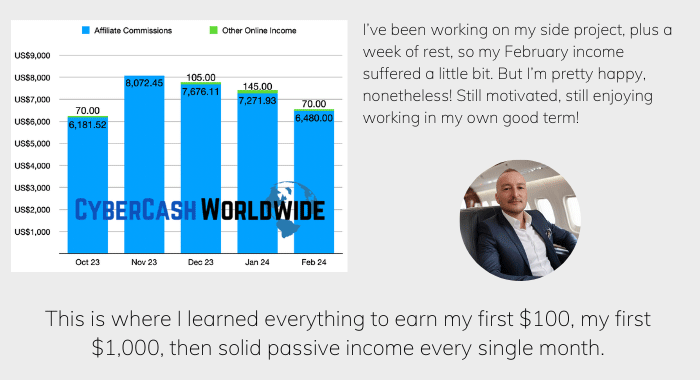
(Real Time) Affiliate Income Report Last Month