
Marketing online sounds simple on paper. Many people think a few links will make money while they sleep. Reality usually looks much different when the work begins. Everyone sees the fancy cars and beach photos on social media.People rarely talk about the months of silence from your bank account. Sales do not happen by accident. Most beginners give up before they earn a single dollar. Competition is fierce in every single corner of the web.
Big brands have more money and more people to push you out. Small creators often find themselves fighting for crumbs. Algorithms change without any warning to anyone. Your hard work will vanish because a computer program updated. Success feels like a moving target that never stays still.
Money comes slow while bills arrive fast. Trust is hard to build but easy to lose.Buyers are smarter now than they were years ago. People spot a sales pitch from a mile away. Honesty often feels like a risk in a world of lies. Scams are everywhere and they look like real deals. Beginners get distracted by shiny objects and new tactics. Focus is hard to keep when nothing seems to work. Hard work is required every single day of the week. Sleep becomes a luxury for those who want to win. Failure is a frequent visitor in this line of work. Stress follows every decision you make for your site.
Mistakes cost money and time that you will not get back. Learning is a non-stop process that never truly ends. Knowledge is power but only if you use it right. Plans often fail when they meet the real world.Expect the worst and hope for the best results. Patience is a virtue that most people lack today. Results take time and patience is your only friend. Growth is slow and steady rather than fast and easy.
Dreams of easy wealth are usually just dreams. Truth is often ugly and hard to swallow for many. Reality demands action rather than just thoughts or talk. Action is the only way to move forward in business. Progress is measured in small steps over many years. Wealth is possible but the price is very high. Gurus promise wealth while they take your last cent. Courses often contain old info that no longer works today. Networks care about their own profit above your success. Merchants see you as a number on a spreadsheet cell. Values change as the market moves in new directions.
Luck is not a strategy you will rely on forever. Data shows a dark side of this career path. Facts are better than fairy tales for your future. Prepare for a fight if you want to stay relevant. Stay alert and keep your eyes on the prize.
Everyone talks about the dream of passive income through online sales, but the reality often feels like a cold shower. People sell you a dream of sipping drinks on a beach while money fills your bank account. Reality hits when the commission checks fail to appear after weeks of hard work.
Affiliate marketing is often a grind that breaks your spirit before it fills your wallet. Most gurus hide the ugly parts of the business to keep selling their expensive courses. You will likely face a steep mountain of failures before you see a single cent of profit. Success requires a thick skin and a massive tolerance for repetition that yields zero immediate results.
Scammers and low-quality products fill the marketplace, waiting to ruin your reputation. Preparation for the worst-case scenario is the only way to survive this cutthroat industry. Let us look at the dark side of online business.

1. The Sudden Slash of Commission Rates
Corporate giants often decide to lower their payout rates without any warning to the hard-working promoters who drive their sales. You wake up one day to find your revenue dropped by half because a corporate executive changed a spreadsheet cell without thinking about you. Large retailers like Amazon are famous for gutting their affiliate programs whenever they feel like saving money at your expense. Reliance on a single merchant is a dangerous game that usually ends in financial heartbreak for the small creator who has no leverage. Every hour spent on a particular campaign feels wasted when the profit margin shrinks to almost nothing without any prior notice.
Many platforms lure people in with high rates only to swap them for crumbs later when they have enough market share. Your budget plans for the next year fall apart because the math no longer makes any sense for a solo operator. Contracts often favor the big corporations while leaving the little guy with no legal recourse or protection from greedy decisions. Growth becomes impossible when the ceiling keeps moving lower for every sale you generate with your own blood and sweat. Merchants treat their partners like disposable traffic sources rather than valuable business associates who deserve a fair share of the pie.
Some networks even hide the fact that they changed the terms until you check your monthly statement and see the damage. Small businesses often follow the lead of industry giants by slashing rates to increase their own bottom line at the first sign of trouble. Profits vanish while your advertising costs remain exactly the same or even increase over time due to market competition. Stability is a myth in a world where a CEO’s whim dictates your take-home pay for the month without any discussion. A life of self-employment actually means working at the mercy of every brand you choose to promote in your online business.
- Monitor your email inbox daily for updates regarding rate changes from your primary merchants.
- Diversify the list of companies you promote to ensure a single cut does not destroy your income overnight.
- Keep a record of all previous payout structures to track the long-term trends of each partner you work with.
- Check the terms of service every month to spot hidden clauses that allow for immediate rate reductions.
- Calculate your break-even point regularly to see if a campaign remains viable after a sudden slash in your earnings.
The Psychological Trap of Income Fluctuations
Money rarely flows in a steady stream when you work for yourself. Profits vary from week to week without any clear pattern. Most people struggle with the stress of a big month followed by a dry spell. Panic sets in when the clicks stop turning into cash for several days. Stability feels like a distant memory once you leave a regular job.
Banks look at your variable income with a lot of suspicion. Mortgages and loans are harder to get when your pay is not fixed. Landlords often demand more proof of funds before they let you rent a place. Financial planning becomes a nightmare of guesses and hopes. Savings must be deep to handle the times when commissions vanish.
Doubt creeps in during the slow times and stays there for a long time. People around you will ask when you will get a real job. Confidence takes a hit every time you check a zero-dollar dashboard. Success feels like a fluke rather than a result of your hard work. Mental health suffers when your worth is tied to a daily sales report.
- Set aside half of your high-month earnings for the months when sales are low.
- Track your average pay over a year rather than looking at daily numbers.
- Explain your business model to your bank early to build a history of trust.
- Keep a list of your wins to read when the numbers look bad.
- Pay yourself a fixed salary from a separate business account to keep life steady.
2. The Brutal Reality of Short Cookie Durations
"A cookie duration of thirty days sounds nice until you realize that most modern browsers delete them within hours for privacy reasons."
A tiny window of opportunity often dictates if you receive credit for a sale or lose it to the ether. Most programs give you a twenty-four-hour cookie that expires long before a customer decides to complete a purchase. You lose credit for the referral if the shopper waits until the next day to enter their credit card information. Large purchases usually require several days of thought, but short cookies rob you of the reward for your hard work. Every click represents potential income that vanishes if the buyer does not act with extreme speed.
Attribution software often fails to track users across different devices like phones and laptops which ruins your tracking. You often find yourself losing commissions when a customer starts on a mobile phone and finishes on a desktop. Advertisers take advantage of your traffic while the technical limitations of cookies ensure you get paid absolutely nothing for your effort. The merchant keeps the full profit while you foot the bill for the advertising that brought the customer to their door. Fairness is absent in a system where technical glitches and short timers favor the seller over the promoter.

Last-click attribution models mean that a random ad at the final second often steals your hard-earned commission. You provide the education and the motivation for the purchase, but someone else gets the money at the finish line. Competition for that final click is fierce and often involves unethical players who use browser extensions to hijack your links. A cookie duration of thirty days sounds nice until you realize that most modern browsers delete them within hours for privacy reasons. Reliable income is hard to find when the very technology you rely on works against your financial interests.
Prioritize programs with longer cookie windows to increase the odds of a successful conversion.
Focus on products that customers usually buy on impulse rather than items that require long deliberation.
Check the attribution settings of every network to ensure you receive credit for the lead you generated.
Use tracking links that allow you to see where the drop-off happens in the customer path to purchase.
Avoid niches where the sales cycle is longer than the cookie duration provided by the merchant.
3. Saturated Niches and Impossible Competition
The most popular categories are often crowded with thousands of people who all try to sell the same product. You will find that every keyword has been targeted by massive websites with million-dollar budgets and huge teams of writers. Standing out in a sea of identical reviews is a task that takes months of unpaid labor with no guarantee of success. Small creators often struggle to get even a handful of visitors when the giants own the top results on every search page. Luck plays a larger role than most gurus admit when you enter a market that is already overflowing with content.
Algorithm updates often wipe out small websites while leaving the established authorities untouched at the top of the rankings. You spend months building a site only to see it disappear from search results overnight because a computer program changed. Big brands have the resources to buy their way to the top while you rely on organic growth that moves at a snail's pace. Competition drives up the cost of advertising to a point where only the wealthy players are able to turn a profit. Survival in a saturated niche requires a level of creativity and persistence that most beginners simply do not possess.
Copycats will steal your best ideas and your best keywords the moment they see you having even a tiny bit of success. You create a high-quality review and find ten lower-quality versions of it appearing on social media within the same week. Price wars between merchants often lead to lower commissions for you as they try to undercut each other to survive. Differentiation is the only way to stay relevant, but even that is hard when everyone uses the same templates and scripts. A crowded market is a recipe for low margins and high stress for anyone trying to build a long-term business.
Search for underserved sub-categories where the competition is less intense than the main market.
Create content that provides a different perspective than the standard reviews found on the first page.
Track your competitors to see which keywords they ignore and focus your efforts on those gaps.
Build a mailing list to ensure you have a direct way to reach people without relying on search engines.
Verify the profitability of a niche before you spend hundreds of hours creating content for it.
Social Media Platform Dependency Risks
Accounts get banned for small mistakes that you did not even know. Reach drops to zero when an algorithm decides to hide your posts. Links are often flagged as spam even if they are totally safe. Engagement is a vanity metric that does not always turn into cash. Platforms own your followers and you must pay to reach them.
Rules for what you will say change every single day on social. Shadowbans happen without any notification to the person who is banned. Creators are at the mercy of a billionaire's whim for their income. Noise on social media makes it hard to stand out from the crowd. Focus is hard to get when people scroll past your work fast.
Ad costs on social media rise as more people try to sell. Competition for attention is a war that you will likely lose alone. Features that you rely on will vanish in a new app update. Trends die fast and leave your content looking old and very dusty. Stress comes from the need to post every hour to stay relevant.
- Direct your social media followers to a website that you actually own.
- Diversify your presence across three or more different social media apps.
- Avoid using automation apps that might get your account flagged as spam.
- Save a copy of all your social media content on a local hard drive.
- Engage with your followers in the comments to build a real connection.
The Sinking Ship of Brand Loyalty
Merchants will replace you with a cheaper option the moment they can. Success makes you a target for brands that want to save money. Terms of service change to favor the company and hurt the promoter. Loyalty is a one-way street in the world of online sales. Partnerships end without a phone call or even a simple email note.
Brands often launch their own ads against your successful review pages. Competition from the very company you promote kills your conversion rates fast. Prices go up while your commission percentage goes down at the same time. Inventory levels drop and leave your links pointing to empty store pages. Control over the sales process is a luxury you will never have.
Mergers and acquisitions often lead to the death of good affiliate programs. New owners see affiliates as a cost rather than a value to keep. Support tickets go unanswered for weeks when a company changes its staff. Payouts get delayed as the brand deals with its own internal issues. Trusting a brand is a gamble that usually ends with a loss.
- Promote at least three different brands in every niche to stay safe.
- Take screenshots of your earnings every day to have proof of sales.
- Read the news about your partner brands to spot a sale or merger.
- Negotiate for a higher rate once you send a steady stream of sales.
- Keep a backup list of alternative products to swap in if a brand fails.
The Race to the Bottom in Price Competition
Merchants drop their prices and your commission drops along with them. Competition from discount sites makes it hard to sell at full price. Buyers wait for sales and skip your links during the regular months. Value is hard to show when everyone only cares about the lowest cost. Margins get thin as you fight for a share of the market.
Coupons from other sites steal your cookie at the very last second. People search for "brand name discount" and find a competitor instead. Loyalty to your site vanishes for a one-dollar saving on another. Brands prioritize high-volume sellers over small creators with better content. Stress comes from trying to beat a price that you do not control.
Marketing costs stay high while the reward for a sale goes down. Profits are eaten by the need to offer your own bonuses. Work becomes a grind for pennies on the dollar every single day. Comparison tools make it easy for people to find a cheaper link. Success is hard to find in a market that only values the cheap.
- Focus on products where the price stays stable throughout the whole year.
- Build a brand that people trust so they do not look for coupons.
- Highlight the quality and the support rather than just the low price.
- Offer a unique bonus that people will only get by using your link.
- Avoid niches where the buyers are only looking for the cheapest deal.
4. Zero Control Over the Product Life Cycle
Merchants often discontinue products that you have spent months promoting without giving you any advance notice. You might find that your best-selling link leads to a broken page because the item is no longer in stock. Rebuilding your content to feature a new product takes time and energy that you could spend on other tasks. Dependence on someone else’s inventory means your income is tied to their ability to manage their business properly. A sudden change in product quality can also ruin your reputation with the people who trust your recommendations.
The seller has the power to change the sales page, the price, or the checkout process at any moment. You have no say in how the product is presented or if the marketing message remains consistent with your own. Poor conversion rates on a merchant's website will kill your profits even if you send them high-quality traffic. Successful campaigns often die because the merchant decides to pivot their business model or close their doors entirely. Control is a luxury you do not have when you act as a middleman for another company's goods.
Brand owners sometimes decide to go "in-house" and fire all their external affiliates once they reach a certain size. You help them grow from nothing only to be discarded when they no longer feel they need your help. Legal changes or supply chain issues can halt sales for months, leaving you with no income from that source. High-performing affiliates are often the first to notice when a product starts to fail in the eyes of the public. Vulnerability is the price you pay for not owning the assets that you are trying to sell to others.
Check your links every week to ensure they still point to active and available products.
Review the merchant's inventory levels if possible to avoid promoting items that are about to sell out.
Diversify your product portfolio so that a single discontinuation does not end your entire revenue stream.
Establish a relationship with the affiliate manager to get early warnings about product changes or removals.
Read customer reviews on third-party sites to stay informed about any recent drops in product quality.
Content Decay and the Maintenance Burden
Articles get old and the facts inside them become wrong over time. Prices change and your reviews start to look like old lies. Links break when a merchant moves their site to a new place. Content decay is a silent killer of your search engine rankings. Maintenance takes more time than creating new work for your website.
Screenshots of software look outdated after a single small update happens. Readers leave when they see a date from three years ago. Search engines ignore sites that do not post or update every week. Work builds up until you feel like you are drowning in tasks. Quality drops when you try to fix too many things at once.
Competition will write a newer version of your best-performing article fast. Thieves steal your words and post them on their own low-quality sites. Legal rules change and require you to edit every single page now. Themes and plugins stop working and break the look of your site. Fatigue sets in when you never feel like the work is done.
- Schedule one day every week to only update and fix old content.
- Check every link on your site using an automated broken link tool.
- Update the "last modified" date on your pages after you make changes.
- Replace old images with new ones to keep the page looking modern.
- Delete old pages that no longer get traffic or serve a real purpose.
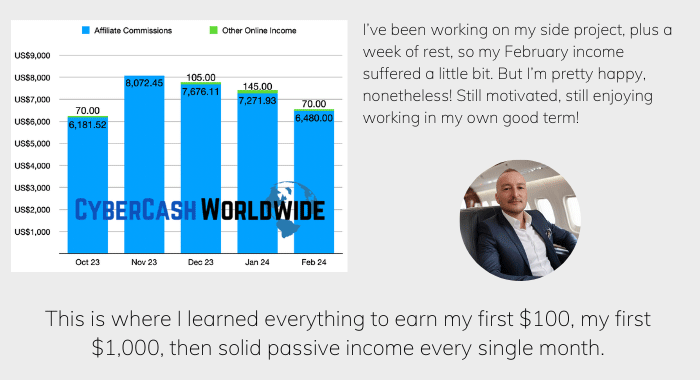
(Real Time) Affiliate Income Report Last Month
5. The Agony of Long Payment Delays
Many affiliate networks hold your hard-earned money for sixty or ninety days before they finally release it to you. You find yourself paying for advertising and hosting costs today while waiting months to see the return on that investment. Cash flow becomes a nightmare when you have bills to pay but your profits are locked in a corporate bank account. Minimum payout thresholds often prevent you from accessing your money until you reach a certain amount of sales. Small creators suffer the most because they lack the volume to trigger faster payment schedules from the big networks.
Fraud checks and verification processes can add even more weeks to the time you wait for your commission check. You might complete all the work in January but not see a single penny in your bank account until April or May. High-risk industries often have even longer holding periods to account for potential refunds and credit card chargebacks from customers. Managing a business becomes nearly impossible when the timing of your income is completely unpredictable and out of your hands. Merchants often use your money to fund their own operations while you wait patiently for your tiny slice.
Currency conversion fees and transfer costs can eat away at your final payout before it reaches your local account. You lose money to bank fees and middleman services just to get paid for the work you already finished. Some platforms only pay through specific methods that might not be convenient or even available in your country. Late payments are a common occurrence that merchants rarely apologize for or try to fix with any urgency. Financial stress is a constant companion when you rely on the accounting departments of dozens of different companies.
Read the payment terms of every program before you sign up to understand the holding period.
Calculate your monthly expenses to ensure you have enough savings to cover the long waiting times.
Select payment methods that have the lowest fees and the fastest processing times for your region.
Track every sale in a spreadsheet to ensure you are paid correctly for every referral you make.
Avoid programs with extremely high minimum payout requirements if you are just starting your business.
Hidden Infrastructure Costs and Technical Debt
Websites cost money to keep alive even if they make zero sales. Hosting fees and domain renewals add up over the years. Premium plugins often require annual payments to stay safe and functional. Email services charge more as your list grows larger every month. Expenses eat a hole in your profit before you even get paid.
Old code slows down your site and drives away potential buyers. Updates break things in ways that take days to fix by yourself. Security patches are mandatory to keep hackers away from your data. Speed is a requirement for search engines to rank your content high. Slow pages lose money every second they take to load on a phone.
Tech support is a luxury that solo operators rarely afford. Problems arise at midnight and require your full attention to solve. Frustration builds when a small error takes down your whole business. Skills are needed to manage servers and databases without help. Time spent fixing bugs is time not spent making sales or content.
- Audit your monthly subscriptions to remove apps that you do not use.
- Use a staging site to test updates before you put them on your main site.
- Select a hosting provider with a reputation for speed and solid support.
- Back up your data every single day to avoid a total loss of work.
- Learn basic code to handle small fixes without hiring an expensive pro.
6. The Reputation Risk of Promotional Burnout
Trust is the currency of the web but it burns out quickly. Followers get tired of seeing links in every single post you share. People stop reading when they feel like a dollar sign to you. Truthfulness is hard to maintain when you need to make a sale. Credibility vanishes the moment you promote a low-quality product for cash.
Friends and family will pull away if you constantly pitch them deals. Social circles shrink when every conversation turns into a marketing talk. Professional networks see you as a spammer rather than a peer. Relationships suffer when you prioritize commissions over real human talk. Bridges burn fast when you put money before people in your life.
Brands often change their quality after you have already given a review. You look like a liar when a product you praised starts to fail. Recovery from a bad recommendation takes years of hard work and honesty. Comments sections fill with hate from angry buyers who felt misled. Shame is a heavy price to pay for a few quick commission checks.
- Test every product yourself for a month before you write a single word.
- Limit the number of promotional posts to one for every five helpful ones.
- Disclose your ties to a brand in a clear and honest way every time.
- Listen to feedback from your readers to spot bad products early.
- Apologize publicly if a brand you promoted lets your people down.
Email Deliverability and the Spam Filter War
Messages often land in the spam folder where no one will see them. Filters look for words that affiliates use every day in their work. Providers block your links if they think you are sending too much. Lists get cold fast if you do not send mail every week. Costs for email services rise as your list of names grows.
Bounces and unsubscribes hurt your reputation with the big email providers. Complaints from a few people will ruin your chance to reach others. Formatting errors make your mail look like a scam on a phone. Links get broken by security apps before the reader clicks them. Attention spans are short and your mail is just one of many.
Subject lines are a gamble that often fails to get a click. Content must be perfect to avoid the trash bin of the inbox. Rules for bulk mail are strict and get harder every single year. Ownership of a list is a myth if the mail is not sent. Effort spent on a newsletter is wasted if the delivery fails.
- Clean your email list every month to remove people who do not open.
- Ask your subscribers to move your mail to their primary inbox folder.
- Use a professional email address that matches your website domain name.
- Test your mail on multiple devices to ensure it looks good everywhere.
- Avoid using too many links or images in a single email message.
Sudden Ad Account Bans and Deactivations

Social media platforms and search engines often ban affiliate marketers without providing a clear reason for the suspension. You spend thousands of dollars building a successful ad campaign only to have the entire account deleted in seconds. Algorithms look for specific patterns that they associate with spam, and affiliates are often caught in these automated nets. Losing an ad account means losing your primary source of traffic and your ability to generate income overnight. Appeal processes are notoriously slow and rarely result in the restoration of your original account or your data.
Platform rules change constantly, making it hard to stay compliant with their ever-shifting standards for advertising. You might be following the rules one day and violating a new policy the next without even knowing it. Automated systems do not care about your business or the amount of money you have spent on their platform. Competition can even report your ads maliciously to get your account flagged and removed from the system entirely. Dependence on paid traffic is a high-stakes gamble that often ends with a permanent ban and a loss of investment.
Recovering from a ban requires you to start over from scratch with new accounts, new domains, and new strategies. You lose all the historical data and optimization that you spent months or even years developing for your business. Many affiliates find themselves stuck in a cycle of creating new accounts only to have them banned again and again. Stress levels skyrocket when your livelihood depends on the whims of a faceless moderation team at a tech giant. Security is non-existent in an industry where your main traffic source can disappear at any moment for no reason.
Spread your advertising budget across multiple platforms to reduce the impact of a single account ban.
Read the advertising policies of every platform thoroughly and check for updates at least once a week.
Keep backups of all your ad creative and data so you can restart on a new platform quickly.
Use a bridge page instead of linking directly to an affiliate offer to stay in compliance with rules.
Monitor your account health daily to spot any warnings or flags before they lead to a full ban.
7. Theft of Content and Affiliate Links
Unscrupulous competitors will often scrape your website and steal your hard-earned content to use on their own pages. You spend days researching and writing a high-quality review only to see it appear on a dozen other sites. Search engines sometimes rank the stolen version higher than your original work, which robs you of your traffic. Protecting your intellectual property is a constant battle that requires legal knowledge and a lot of extra time. Plagiarism is rampant in the affiliate world because people are desperate for quick wins without doing the actual work.
Malware and browser extensions can also hijack your affiliate links and steal your commissions at the last second. You send a customer to a store, but a piece of hidden code swaps your ID for a different one. Tracking this type of theft is almost impossible for the average marketer without advanced technical knowledge and resources. Merchants often do little to stop this practice because they still get the sale regardless of who gets the credit. Your income can drop significantly because of technical thieves who operate in the shadows of the internet.
Content scrapers use automated programs to steal your images, your reviews, and even your personal brand identity for profit. You might find your face and your words being used to promote low-quality scams that you would never support. Defending your reputation becomes a full-time job when your content is being used in ways you never intended. Legal action is expensive and often useless when the thieves are located in countries with weak copyright laws. Intellectual theft is a dark reality that every successful affiliate must eventually face as they grow their business.
Install software that prevents right-clicking and content copying on your website to deter basic scrapers.
Set up Google Alerts for your brand name and unique phrases to find where your content is being used.
Use canonical tags on your pages to tell search engines that your version of the content is the original.
Watermark your custom images and videos to make them less attractive to people who want to steal them.
Report instances of copyright infringement to hosting companies and search engines to get stolen content removed.
Data Privacy Laws and the Tracking Nightmare
Governments update privacy laws and make your job much harder every year. Cookies are dying and your tracking links often fail to work correctly. Data protection rules vary from one country to the next without logic. Fines for small mistakes are large enough to end your business forever. Lawyers are expensive but often needed to stay on the right side of the law.
Tracking software often glitches and misses sales that you actually made. Proof is hard to find when a network claims a sale did not happen. Buyers use ad blockers that stop your tracking scripts from loading at all. Privacy settings on new phones block most of the data you need. Profit margins shrink as the tech to track visitors gets more complex.
Audits from big networks are a constant threat to your peace of mind. Compliance officers look for any reason to withhold your hard-earned money. Rules for data storage require servers that are safe and very expensive. Consent banners drive away visitors who just want to read your content. Complexity is the new normal in a world that hates being tracked.
- Install a privacy-first analytics app that does not rely on invasive cookies.
- Consult a legal expert to review your privacy policy and terms of service.
- Verify that your affiliate links work on devices with strict privacy settings.
- Store only the data that is absolutely required for your daily operations.
- Stay informed about new laws in every region where you have visitors.
8. Unpredictable Changes in Search Engine Rankings

Google often releases updates that can send your website from the first page to the tenth page overnight. You have no control over how the search engine views your content or your links as an affiliate. Sites that focus on reviews are often targeted by updates that favor large media brands over small independent creators. Maintaining your traffic requires constant adjustments to satisfy an algorithm that no one truly understands or can predict. A single update can destroy years of hard work and leave you with a website that receives zero visitors.
Search engines are increasingly providing answers directly on the results page, which means people never click your links. You provide the information, but the search engine keeps the visitor for its own advertising revenue and data collection. Competition for the remaining clicks is brutal and often requires you to spend more on SEO than you earn in commissions. Relying on organic traffic is like building a house on a foundation of shifting sand that could collapse at any time. The rules of SEO are not written in stone and can change in ways that make your entire strategy obsolete.
Many affiliates find that their niche becomes dominated by AI-generated content that floods the search results with low-quality information. You cannot compete with the sheer volume of content that automated systems can produce in a single day or week. Standing out requires more than just good writing; it requires a level of authority that takes a lifetime to build properly. Search engines often favor websites with huge backlink profiles that are impossible for a solo marketer to replicate. Uncertainty is the only constant when your business depends on the mercy of a search engine algorithm.
Diversify your traffic sources so that you are not entirely dependent on a single search engine for visitors.
Focus on building a strong brand that people search for by name rather than just general keywords.
Update your old content regularly to ensure it stays relevant and maintains its position in the rankings.
Monitor search engine news daily to stay ahead of upcoming algorithm updates and policy changes in the industry.
Build high-quality backlinks from reputable websites to increase the overall authority and stability of your site.
Search Engine Hostility Toward Review Content
Big search engines prefer large media brands over small independent creators now. Updates often target review sites and push them to the second page. Authority is measured by backlinks that small sites find hard to get. High-quality writing is no longer enough to win the top spot anymore. Competition from AI content makes the search results look like a mess.
Direct answers on the search page stop people from clicking your links. Search engines keep the visitors for themselves to make more ad money. Rank drops happen overnight for no reason that makes any sense. Traffic is a loan from the search engine that they will recall. Algorithms favor shops over blogs in many of the best niches today.
Constant updates require you to rewrite your old content every few months. Keywords that worked last year are useless in the current market climate. Experts disagree on how to win and leave you feeling very confused. Stress builds as you watch your traffic numbers drop for weeks straight. Dependence on one source of visitors is a recipe for total disaster.
- Build a list of email subscribers to reach your people directly today.
- Create videos to reach people on platforms that do not rely on text.
- Focus on long-tail keywords that the big brands often choose to ignore.
- Update your top ten most popular pages every month to keep them fresh.
- Check your site for technical errors that might hurt your search rank.
Negative SEO and Competitor Sabotage
Enemies will send thousands of bad links to your site to kill it. Sabotage is a real threat from people who want your search rank. Reports of "spam" to your hosting provider can take you offline. Fake reviews on your social pages ruin your reputation with the public. Stress comes from the need to watch your back every single day.
Thieves copy your whole site and post it on a new domain. Search engines get confused and might rank the thief above the owner. Copyright claims are used as a weapon to take down your content. Hackers try to enter your site to put their own links inside. Defense takes time that you should spend on growing your business.
Tools to monitor your site are necessary but cost a lot of money. Panic sets in when you see a sudden drop in your traffic. Recovery from a negative SEO attack takes months of hard work. Support from search engines is non-existent for the small website owner. War is the reality of a high-profit niche in marketing today.
- Monitor your backlink profile every week using a professional SEO tool.
- Disavow bad links as soon as they appear in your search console report.
- Secure your website with two-factor login and a strong firewall app.
- Set up alerts for your brand name to see new mentions online fast.
- Keep a clean backup of your site to restore it if a hacker wins.
9. The High Cost of Quality Paid Traffic
Buying traffic is a fast way to get visitors, but the costs can quickly exceed the commissions you earn from sales. You often find yourself in a bidding war with other affiliates who have deeper pockets and better conversion rates. Profit margins are thin when you pay for every click and only a small percentage of those people actually buy. Scaling a campaign is difficult because the cost per click usually increases as you try to reach a larger audience. Financial ruin is a real possibility if you do not manage your ad spend with extreme care and precision.
Click fraud is a massive problem where bots and competitors click your ads to drain your budget without any intention of buying. You pay for fake traffic that provides no value to your business or the merchants you are promoting online. Platforms try to filter out this fraud, but a large amount of it still gets through and costs you money every day. Protecting your investment requires expensive tracking software and constant monitoring of your traffic quality and source. The cost of doing business in the paid space is rising every year, making it harder for beginners to start.
Ad fatigue means that your creative assets will stop working after a short period as people become bored with them. You must constantly create new videos, images, and copy to keep your conversion rates high enough to stay profitable. This constant cycle of creation and testing takes a lot of time and money that you must spend before you see a profit. Many affiliates lose money for weeks or months while they try to find a winning combination of ads and offers. Patience and a large bankroll are necessary if you want to succeed in the world of paid affiliate advertising.
Set strict daily budgets for your ad campaigns to prevent unexpected overspending on low-quality traffic sources.
Use negative keywords and audience exclusions to ensure your ads only appear to the most relevant people.
Test multiple versions of your ad copy and creative to find the most efficient way to convert visitors.
Track your return on ad spend for every individual campaign to see which ones are actually making money.
Install click fraud protection software to identify and block suspicious activity before it ruins your advertising budget.
Ad Fraud and the Waste of Paid Traffic
Bots click your ads and steal your budget without making a sale. Fraud is a massive industry that targets affiliates with paid traffic. Networks often lie about the quality of the clicks they send. Clicks from real people do not always mean they are buyers. Money vanishes into thin air when your targeting is even slightly off.
Platforms charge for impressions that no human eye ever saw once. Competition from other affiliates drives the bid prices to the sky. Tracking pixels fail and leave you blind to your own results. Refunds from bot traffic are hard to get from the big networks. Profit is a dream when you pay more for a click than a sale.
Scaling an ad campaign often breaks the math that made it work. Costs rise as you try to reach a larger group of people. Settings are complex and easy to mess up for a beginner. Stress is high when you lose a thousand dollars in one day. Success with ads is a math problem that changes every single hour.
- Set a low daily budget to test a new traffic source for a week.
- Use a click fraud protection service to block bots from your ads.
- Exclude countries that are known for high levels of ad fraud today.
- Monitor your bounce rate to see if the traffic is actually reading.
- Check the time spent on site for every visitor from your paid ads.
10. Legal Minefields and FTC Disclosure Woes

Regulatory bodies like the FTC require you to disclose your affiliate relationships in a very specific and clear manner. You must tell your readers that you earn a commission if they click your links and buy the product. Failing to follow these rules can lead to heavy fines and the permanent loss of your affiliate accounts. Many marketers try to hide these disclosures, but doing so puts their entire business at risk of legal action. Honesty is required by law, but it can sometimes lower your conversion rates if people do not trust your motives.
Laws regarding data privacy, such as GDPR in Europe, add another layer of complexity and risk to your daily operations. You must handle user data with extreme care and provide clear options for people to opt out of your tracking. Navigating these legal requirements takes time and often requires the help of a lawyer or a compliance specialist. Ignorance of the law is not a valid excuse when a government agency decides to investigate your website or ads. Staying compliant is a constant burden that requires you to stay informed about legal changes in multiple countries.
Merchants often have their own sets of rules and restrictions that you must follow to stay in their programs. You might be banned for using certain words in your copy or for promoting their products on specific websites. These rules are often buried in long contracts that most people never bother to read until it is too late. Breaking a merchant's rule can result in your commissions being forfeited and your account being closed without any pay. Legal and contractual compliance is a full-time responsibility that adds significant stress to the life of an affiliate.
Place your affiliate disclosures at the top of every page where you use links to promote products.
Read the full terms and conditions of every affiliate program to ensure you follow their specific rules.
Update your privacy policy to include information about how you use cookies and track user behavior online.
Consult with a legal professional to ensure your website and advertising practices meet all regional requirements.
Use clear and simple language when explaining your affiliate relationships to your audience to build long-term trust.
Tax Complexity and International Red Tape
Taxes are a nightmare when you earn money from multiple different countries. Rules for VAT and sales tax vary in ways that confuse everyone. Paperwork takes hours and requires a professional to do it right. Fines from a tax office will ruin your year and your bank. Complexity grows as you expand your business into new world markets.
Payments from overseas often come with high fees and bad exchange rates. Banks flag large transfers as suspicious and hold your money for weeks. Proof of income is hard to provide for some government agencies. Deductions for home office costs are a gray area for many people. Records must be perfect to survive an audit from the government.
Laws for digital products are different from laws for physical goods today. Compliance is a full-time job that does not pay any commissions. Mistakes in your tax filing stay on your record for many years. Stress follows the arrival of any mail from the revenue service. Financial freedom feels less free when the tax man wants a cut.
- Hire an accountant who knows how to handle international digital income.
- Save thirty percent of every commission check for your end-of-year taxes.
- Use a dedicated bank account for all your business income and costs.
- Keep every receipt for your software and hardware in a digital folder.
- Register your business as a legal entity to protect your personal assets.
11. Broken Funnels and Leaky Sales Pages
You can send the best traffic in the world, but it means nothing if the merchant's sales page is broken or poorly designed. Many companies have outdated websites that look terrible on mobile devices where most people do their shopping today. A slow loading speed or a confusing checkout process will cause people to leave before they complete a purchase. You lose money on every click that fails to convert because of someone else's technical incompetence or poor design choices. Checking the merchant's funnel is a necessary task that you must perform before you spend any money on ads.
Some merchants deliberately leak their funnels by adding links to other products or services that do not pay you a commission. You send a customer for a specific item, but the merchant distracts them with a different offer that earns you nothing. Other leaks include phone numbers for sales teams or live chat windows that bypass your affiliate tracking links entirely. You do all the hard work of finding the customer, but the merchant finds a way to keep the full profit. Detecting these leaks requires you to go through the entire buying process yourself to see what happens.
High refund rates on a merchant's site can wipe out your commissions weeks after you thought you had made a profit. If the product is low quality or the marketing is misleading, customers will ask for their money back and you lose. You might see a high balance in your account today that vanishes tomorrow when the refund requests start coming into the system. Merchants with poor customer service will also hurt your bottom line by failing to resolve issues that lead to refunds. Your income is directly tied to the merchant's ability to keep their customers happy and satisfied with their purchase.
Test the merchant's checkout process on multiple devices to ensure it works perfectly for every potential customer.
Look for external links or phone numbers on the sales page that might steal your referral credit.
Research the merchant's refund rates and customer satisfaction scores before you decide to promote their products.
Avoid promoting products that have a reputation for poor quality or misleading marketing messages to the public.
Monitor your conversion rates daily to spot any sudden drops that might indicate a problem with the sales page.
12. Hidden Fees and Platform Subscription Costs

Running an affiliate business requires a variety of software services that each come with their own monthly subscription fees. You need hosting, email marketing software, tracking software, and keyword research resources to stay competitive in the market. These costs add up quickly and can eat into your profits before you even realize how much you are spending. Many beginners forget to account for these overhead costs when they calculate their potential income from affiliate marketing. Profitability is not just about sales; it is about keeping more money than you spend on the resources you need to operate.
Many affiliate networks also charge fees for withdrawing your money or for using their advanced tracking features and reports. You might find that a portion of your commission disappears into the pockets of the network before it ever reaches you. Some platforms even charge a monthly fee just to be part of their network or to access high-paying offers. These hidden costs are often not mentioned in the marketing materials and only appear after you have signed up. Financial planning must include a detailed list of every possible fee and cost associated with your business model.
The cost of learning the business through courses and mentorships can also be a significant financial burden for new affiliates. You might spend thousands of dollars on training that turns out to be outdated or completely useless for your specific niche. Many gurus charge high prices for information that you can find for free if you are willing to spend the time. Investing in your education is necessary, but it can also be a major drain on your initial capital and resources. Balancing your spending on software and education is a difficult task for anyone starting a new business venture.
Create a detailed budget that includes every monthly subscription and software cost for your affiliate marketing business.
Look for free or low-cost alternatives to expensive software services when you are just starting your business.
Negotiate with affiliate managers for higher commission rates to help cover the costs of your advertising and software.
Review your software subscriptions every month and cancel anything that is not directly helping you make more money.
Research the reputation of any course or mentor before you spend a large amount of money on their training.
13. Customer Support Headaches for Third-Party Products
Customers will often contact you with complaints or questions about a product even though you are not the seller. You have no control over the shipping, the quality, or the support for the items you promote to your audience. Dealing with angry emails and comments takes time away from your primary task of marketing and generating new sales. Your reputation is at risk if you promote a company that fails to provide good service to the people you referred. Being the middleman means you get the blame for problems that you have no power to fix or even influence.
Explaining to customers that you are just an affiliate and cannot help them with their order often leads to more frustration. They feel like you are passing the buck or that you do not care about their experience after you get their money. This can destroy the trust you have built with your followers and make them less likely to click your links in the future. You must spend time filtering through messages and directing people to the correct support channels for each individual merchant. Customer service is an unpaid part of the job that many affiliate marketers do not expect when they start out.
Low-quality products often lead to a high volume of support requests that can overwhelm a small business owner or solo marketer. You might find yourself spending hours every day answering the same questions about a product that you did not even create. This mental load can lead to burnout and a lack of focus on the activities that actually grow your income over time. Choosing high-quality merchants with great support teams is the only way to minimize this burden on your business. Even with the best merchants, you will still face a certain amount of support-related stress from your audience.
Create a clear FAQ section on your website that tells people who to contact for support and order issues.
Vet every merchant's support team by sending them a question yourself before you start promoting their products.
Avoid promoting products that have a history of technical problems or frequent customer complaints in the reviews.
Use an automated email response to direct support inquiries to the merchant's official customer service department immediately.
Monitor your social media comments and respond politely to people while directing them to the correct help channels.
14. Fake Gurus and Expensive Worthless Courses

The Anti-Guru: Screw The Hustle
The internet is filled with people who claim to be millionaires through affiliate marketing but make their money selling courses. You will see ads featuring luxury cars and mansions that are often rented for the day to trick unsuspecting beginners. These fake gurus sell a dream that is far removed from the actual work and struggle required to succeed in this industry. Many of their strategies are outdated or even dangerous for the health of your website and your ad accounts. Following the wrong advice can cost you thousands of dollars and months of wasted time and effort.
High-priced mentorship programs often provide very little personal support or actionable information that you can use in your business. You might find that you are just one of thousands of students in a generic program that does not address your needs. The content is often recycled from free sources or other people's courses without any added value or unique perspective. Gurus often use high-pressure sales tactics to convince you that their program is the only way to achieve financial freedom. Critical thinking is your best defense against people who want to profit from your hopes and your lack of experience.
Many successful affiliate marketers do not sell courses because they are too busy running their actual profitable businesses every day. The people who have the most time to market a course are often the ones who are not making money from marketing products. You should look for mentors who are actively doing the work and can show real, verifiable results from their own affiliate campaigns. Be skeptical of anyone who promises fast results or a "secret" method that no one else knows about in the industry. Real success comes from hard work and testing, not from a magic formula sold by a charismatic person on social media.
- Verify the claims of any guru by looking for independent reviews and testimonials from real students in the industry.
- Ask for proof of recent affiliate earnings that are not related to the sale of their own courses or programs.
- Start with free resources like blogs and forums to learn the basics before you invest in expensive training.
- Look for mentors who specialize in your particular niche rather than generalists who claim to know everything about marketing.
- Avoid any program that uses high-pressure sales tactics or makes unrealistic promises about how much money you will earn.
15. The Illusion of Passive Income and Daily Grinds
Passive income is a myth that gurus sell to take your money. Work never stops if you want to keep your income at a high level. Checking stats becomes a job that takes over your entire life. Freedom is hard to find when you are tied to a laptop. Results require a daily effort that most people are not ready for.
Systems break and require a human hand to fix them every time. Content gets old and stops making money if you do not update it. New competitors arrive every day to take a piece of your pie. Fatigue is the result of the constant need to stay ahead of others. Money is never truly "passive" in a world that moves this fast.
Hours spent on a campaign do not always lead to a single sale. Risk is always present and your income could vanish by tomorrow. Dreams of the beach are replaced by the glow of a screen. Balance is a struggle that many people lose in the first year. Reality is a grind that requires a thick skin and a lot of grit.
- Treat your affiliate work like a real job with fixed starting hours.
- Focus on building assets that have a long shelf life on the web.
- Automate only the tasks that do not require a personal human touch.
- Set boundaries for when you will and will not check your statistics.
- Invest your profits into other businesses to find real passive wealth.
Extreme Isolation and Mental Fatigue
Working from home as a solo marketer can lead to a sense of loneliness that many people find difficult to handle. You spend all day looking at screens and talking to no one but yourself or perhaps a few people on a digital chat. Lack of social interaction can affect your mood and your motivation over time as you lose connection with the outside world. Building a business alone means you have no one to share your wins with or to help you through the difficult times. Isolation is a silent tax that many affiliate marketers pay in exchange for the freedom to work for themselves.
The constant pressure to perform and the uncertainty of your income can lead to high levels of stress and mental exhaustion. You never truly "turn off" because your business is always online and something could go wrong at any moment of the day or night. Checking your stats every hour becomes a compulsion that drains your energy and prevents you from relaxing or enjoying your life. Burnout is common among affiliates who push themselves too hard without taking breaks or seeking support from others in the field. Mental health is often sacrificed in the pursuit of higher commissions and more traffic to your websites and ads.
Comparison is the thief of happiness, especially when you see other marketers posting their massive earnings on social media every day. You might feel like a failure if you are not making five or six figures a month like the people you follow. This constant feeling of being behind can lead to poor decision-making and a lack of consistency in your own business strategy. Finding a healthy balance between work and life is a constant battle that many affiliate marketers never truly win for themselves. Success in business is not worth losing your peace of mind or your connection to the people who matter to you.
- Set specific work hours and stick to them to ensure you have time for rest and social activities.
- Join a local co-working space or visit a coffee shop to work around other people and reduce your isolation.
- Connect with other affiliate marketers online to share experiences and provide mutual support during the difficult times.
- Practice mindfulness or other stress-reduction techniques to manage the mental load of running a solo business online.
- Avoid checking your earnings and traffic statistics outside of your designated work hours to prevent mental burnout and stress.
Relationship Erosion and Family Tension
Isolation makes you a stranger to the people who live in your house. Work takes over the dinner table and the late-night hours too. Partners get tired of hearing about clicks and conversion rates every day. Stress from a bad month leads to fights about money and time. Connection is lost when you are always thinking about the next sale.
Friends stop calling when you are always "too busy" with your site. Social events feel like a waste of time that you could spend working. Children see the back of your head more than they see your face. Loneliness is a side effect of the solo entrepreneur life path. Balance is a word that has no meaning in the middle of a launch.
Success can be just as hard on a marriage as failure is today. Jealousy or fear of the unknown can drive a wedge between people. Time is the one thing you cannot buy back with your commissions. Regret is a heavy burden for those who put work before love. Life is more than a dashboard but it is hard to remember that.
- Leave your laptop in a different room when you eat with your family.
- Plan a weekend every month where you do not check your work at all.
- Explain your goals to your partner so they feel like a part of it.
- Schedule time for friends that has nothing to do with your business.
- Remember that your worth is not defined by the money you make online.
15 Worst Things About Affiliate Marketing
Affiliate marketing is a path filled with obstacles that most people never see coming until they are deep in the struggle. You must be prepared for the reality of sudden income drops, technical failures, and the constant pressure of competition in every niche. Success is possible, but it requires much more than just a laptop and a dream of easy money on the beach.
Real progress comes to those who are willing to treat this as a serious profession with high risks and a lot of hard work. You should weigh the negatives carefully against the potential rewards before you commit your time and your money to this industry. Preparation and a realistic mindset are the most valuable assets you can have as you start this difficult but potentially rewarding business.
Did You Know You Already Have A LOT To Sell?
So What's Your Problem?