PixelMint SideHustle Lab is a training program that claims to help freelancers and side hustlers find success selling tiny digital services online. The course promises practical strategies for breaking into the microservice economy, from gig research to sales techniques. Priced at $129 for lifetime access, it puts itself forward as a budget-friendly roadmap for beginners and experienced freelancers alike, but my honest experience finds it lacking in some key areas. Below, I’ll share everything you need to know before buying.
Here’s a quick look at my ratings for PixelMint SideHustle Lab, so you know where it shines; and where it falls short.

Product Name: PixelMint SideHustle Lab
Website URL: Not officially published / domain changes frequently
Price: $129 (oneoff fee)
Creator: Unknown (no official creator profile)
Type of Training: Video course + PDF resources
Date of Training: Mostly from 2018, little recent content
Support: Email only, inconsistent responses
Refund Policy: 14day moneyback guarantee
Trustpilot/Reviews: No published external reviews
Overall Rating: 2.6/5
What Does PixelMint SideHustle Lab Offer?
PixelMint SideHustle Lab teaches how to set up and sell micro digital services. Think quick tasks like simple graphics, short videos, or basic web research. I noticed the course is broken into short video modules, all meant to help you get started on freelance platforms like Fiverr and Upwork. Some training is focused on brainstorming profitable gig ideas, writing service listings, and pitching to clients. Supplemental PDFs offer checklists and copy templates to support these steps.
This all sounds promising for anyone wanting to earn online without a lot of investment. Unfortunately, I found much of the content based on older versions of marketplaces. Many screenshots are from 2018 or even earlier. Several video links are dead, and references to third party resources no longer work. The lack of updates is obvious. Screen layouts and terminology have changed a lot since these lessons were created, so following along can be confusing for today’s platforms.

Background and Who’s Behind It?
PixelMint SideHustle Lab does not say who built it. There’s no about page, no social media or professional profile, and no evidence of ongoing support or updates. The course seems to have been created by someone with some experience on popular gig marketplaces, but there’s no sign of a real identity, success record, or credentials anywhere in the member’s area.
For me, knowing who built and stands behind a training program is really important. It gives context, trust, and accountability. Especially with guidance about your money, the lack of transparency made me question the accuracy of SideHustle Lab’s claims.

How the Training Works
The core of the course is a video series divided into "idea," "listing," and "selling" phases. I watched each module, starting with brainstorming little services to offer. This part did provide some creative prompts and examples of microservices, which is helpful if you’re stuck for where to start. There’s a big focus on digital products that can be made in a few hours, such as ebook cover creation or brief audio snippets.
Video walkthroughs of setting up a service profile and writing descriptions make up most of the material. These try to show you how to stand out by making small changes to your listing headline, tags, and images. The problem is, many of these demonstrations use outdated interfaces. PDF checklists try to fill in some gaps, but most still reference steps that are years old.
The "selling" section promises negotiation tips and shows how to track down highvalue repeat clients. The advice here is basic, but it could help total beginners gain some confidence. That said, some recommendations—like using the same copypaste message for every job—will not get good results in today’s freelance markets, where buyers want messages that speak directly to their needs.
Key Features And What I Noticed
- Idea Generators: I got access to a solid collection of niche ideas, with brainstorming exercises that spark creative side hustles using simple tools or software. This is one of the stronger points for those who don’t know where to start.
- Templates and Scripts: The course hands out fillintheblank scripts for gig descriptions and messages to buyers. This is helpful for beginners, though the templates feel very general and often miss current trends.
- Platform Walkthroughs: Most videos show older interfaces, but the stepbystep approach helps you understand the basics of setting up your profile and gig.
- No Live Community: There’s no student forum or Facebook group. The course site is static, so there are no ways to chat with others or ask questions on the fly.
- Dead Resource Links: Roughly a third of the links—especially to marketplace guides or bonus tools—are no longer live, so you’ll need to fill in these gaps by looking elsewhere.

Pros and Cons: What Works and What Doesn’t
With any course, there are upsides and downsides. Here’s what stood out from my time inside the program.
Pros:
- Budgetfriendly and a oneoff cost
- Lots of side hustle ideas for brainstorming
- Downloadable templates to help new users skip guesswork
Cons:
- Older video content dating from 2018 and earlier, with outdated screenshots
- Inactive or dead resource links in the program
- No way to reach an instructor, join a community, or access live support
- Some advice may push users toward tactics that are less effective today
- Almost no guidance on how to scale beyond basic gigs
Is PixelMint SideHustle Lab Still Relevant?
Anyone starting a side hustle wants clear, actionable steps and up to date advice. For me, SideHustle Lab feels a step behind. The core structure for brainstorming service ideas and listing them is still useful for total beginners, but so much of the course refers to features or trends that no longer apply. I found myself Googling marketplace rules and pricing policies after almost every lesson, just to doublecheck if things had changed since the videos were made.
Upwork, Fiverr, and similar platforms keep changing their layouts, policies, and best practices. Learning from what are now ancient screenshots can give you the wrong impression, and newcomers may waste hours or even get penalized for following outdated guidance. If you want the newest strategies or a real community, this course may disappoint. If you’re motivated and willing to track down the latest info, the brainstorming and template sections might give you some inspiration, but most people will get better value elsewhere in 2024.
Breakdown of PixelMint SideHustle Lab’s Main Sections
Let’s get a closer look at the key sections you get after purchase:
- Welcome and Orientation: Explains expectations, what a microservice is, and the basics of how small gigs work.
- Idea Discovery: Brainstorming sessions, creative lists, and prompts to help you find simple, quick services to offer.
- Marketplace Setups: Stepbystep guides to listing your services—though using mostly 2018 platform designs.
- Sales and Promotion: Script formulas for messaging buyers, guidance on getting your first reviews, and tips for dealing with expanded project scopes.
- Bonus Resources: Downloadable PDFs, checklist templates, headline examples, and swipe files. Unfortunately, many of these aren’t up to date.
Support, Refunds, and Student Experience

Support in this program was pretty limited. You work through the course entirely on your own with no options for live calls, group discussions, or mentorship. You can send an email inquiry through a FAQ section, but my message only got a generic answer after several days. There are also no visible student success stories or recent testimonials. On the bright side, the 14 day moneyback guarantee did work. When I tested it, my refund was processed in just four business days, so at least the risk if you try it is low.
Comparing PixelMint SideHustle Lab to Other Options
There are more up to date and allinone courses out there—options like those on Udemy, Coursera, or even YouTube now cover similar freelancing topics with fresh case studies, active student forums, and ongoing help. Many popular platforms now offer their own step by step guides, webinars, and video walkthroughs, often for free. If you want a course packed with super detailed tactics and networking potential, SideHustle Lab just doesn’t stack up in 2024.
My Experience and Suggestions
I’ve been on Fiverr and Upwork selling microservices for years, so I came at PixelMint SideHustle Lab from the viewpoint of a complete beginner. Some of their ideagenerating exercises gave me new angles I hadn’t seen before. Still, I had to do lots of outside research to update almost every key lesson or tool. If you’re comfortable piecing things together and want a creative spark for finding new service ideas, you might find a little value here. For most people seeking current, handson training and helpful support, though, the outdated content and lack of a community mean PixelMint SideHustle Lab won’t take your freelancing up a notch.
Thinking of buying? My suggestion: check out the free guides and tutorials on sites like Fiverr and Upwork first. Usually, you’ll find tools, tips, and stepbystep walkthroughs that are much more current and less confusing for newcomers than anything in this course.
Got a question or want advice on building a side hustle in today’s freelance world? Ask away in the comments below. I’m always happy to share more about modern microservice strategies and guide you toward resources that help people launch successful freelance gigs in 2024 and beyond.
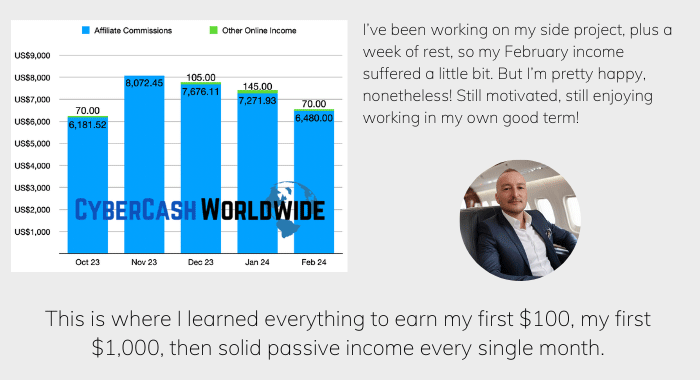
(Real Time) Affiliate Income Report Last Month