
Remote work feels like a trap when the walls begin to shrink around your desk. You sit in the same spot for eight hours while the sun moves slowly across the carpet. Your brain turns into a thick soup of deadlines and domestic chores. People often lie about the ease of this lifestyle because they want to feel free.
You see the truth in the stains on your shirt and the pile of mail. This situation requires a total overhaul of your daily existence to avoid a mental break. You must treat your home like a military installation or a research lab. These ideas bypass the typical advice about drinking tea or sitting up straight. Every choice you make will either save your mind or sink your productivity.
You are the commander of this small space. Victory requires a level of strictness that feels alien to most people. Every morning starts a new campaign for your sanity. You look for ways to stay grounded in a world of digital ghosts. The air in your room needs to feel different from the air in your kitchen. You build a wall inside your head to survive.

The Auditory Shield of Static
White noise serves as a shield against the silence of a lonely house. You find that the hum of a fan drowns out the voices in your head. High frequencies often grate on the nerves after several hours of isolation. Low frequency brown noise mimics the sound of a heavy rainstorm inside a metal shed. This sound floor prevents sudden noises from breaking your flow of thought.
Headphones act as your physical barrier to the outside world. You choose a pair that clamps tightly against your ears to signal a shift in reality. Soft pads give comfort while you grind through spreadsheets. Silence feels too heavy when the only sound is your own breathing. Noise becomes a layer of protection that keeps the domestic world at bay.
Loud music occasionally serves a purpose during a mid-day slump. You pick tracks with no lyrics to keep your linguistic centers free for work. Bass heavy beats drive the rhythm of your typing speed. Rhythms sync with your pulse to create a sense of momentum. Each song acts as a timer that pushes you toward the next task.
Play static or rainfall sounds to mask the noise of the neighbors. A consistent audio backdrop prevents your brain from looking for distractions.
Wear earplugs under noise-canceling headphones for total silence. This double layer of defense creates a vacuum where only work exists.
Switch to radio static if you find yourself humming along to songs. The lack of melody forces your mind to stay on the project at hand.
The Ritual of the Professional Uniform

Garments signify a state of relaxation or a state of war. You feel a shift in your spine when you put on a pair of stiff jeans. Fabrics that stretch too much invite a nap rather than a breakthrough. Clothes communicate a message to your nervous system about the current mission. You dress for a meeting that will never happen in person.
Shoes remain a commonly ignored part of the remote worker's kit. You lace up your boots to ground your feet on the floor. Flat soles remind you that you are on duty and not on a couch. Slippers suggest a softness that bleeds into your professional output. Hard soles create a click on the floor that sounds like progress.
Daily grooming rituals prepare the face for the screen even if the camera stays off. You wash away the sleep to signal a hard reset of your biology. Cold water shocks the system into a state of high alert. A clean shave or a styled head of hair creates a sense of order in a messy environment. Clean skin feels like a fresh start for every new email thread.
Put on a watch to feel the weight of time on your wrist. A physical timepiece reminds you that minutes have a cost.
Wear a belt to maintain a sense of physical structure. Tightness around the waist keeps you from slouching into a slump.
Apply a certain scent only when you sit down to type. This olfactory cue tells your brain that the work session started.
Territorial Defense of the Desk
Zones must exist within the house to separate life from labor. You designate a single chair as the throne of your professional life. Move to a different room if you want to eat or scroll on your phone. This physical separation prevents the bleed of stress into your sleep sanctuary. The bed remains a forbidden zone for anything related to a paycheck.
Illumination changes the mood of a room in an instant. You use bright blue light to mimic the harsh glare of a morning sun. Shadows disappear under the intensity of a desk lamp pointed at the wall. Dimmer switches allow you to signal the end of the shift with a flick. Warm tones belong to the hours after the laptop closes for good.
Clutter on the desk represents a failure of mental hygiene. You clear the surface every evening to prepare for the next assault. Empty space invites new ideas to take root without interference. Pens and papers stay in their drawers until the moment they are needed. A clean slate gives you the room to breathe when the pressure rises.
Tape a line on the floor to mark your office boundary. Anyone who crosses this line enters a high-focus zone.
Hide your work equipment in a closet at night. Out of sight means out of mind when you try to relax.
Face your desk away from the kitchen to avoid snack urges. Visual cues for food will derail your train of thought every time.
The Clock as a Heartless Commander
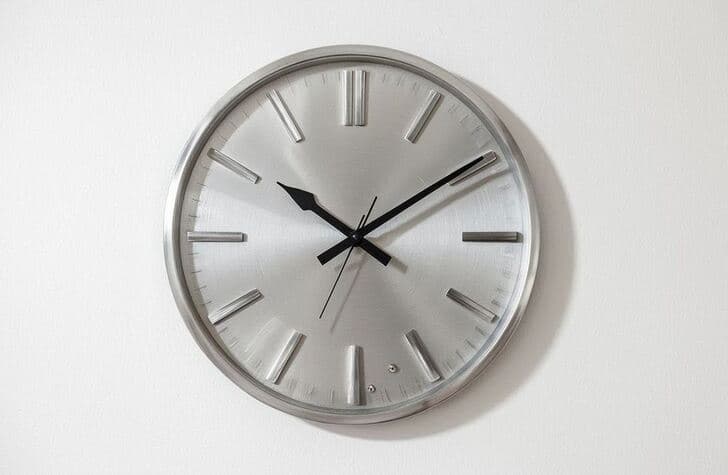
Alarms dictate the start and end of every movement. You set a timer for ninety minutes of deep work without any breaks. Phone notifications stay silent until the bell rings for a rest. This structure prevents the day from melting into a puddle of vague effort. Time blocks create a sense of urgency that office life often lacks.
Lunch happens at the same time regardless of your hunger levels. You treat the kitchen like a cafeteria with a strict closing time. Cold meals save time and keep your energy levels from crashing after a heavy feast. Water fills the gaps between meals to keep your brain hydrated and sharp. This routine builds a cage of discipline around your natural impulses.
Deadlines move closer with every tick of the wall clock. You visualize the consequences of a missed project to stay on track. Fear serves as a better motivator than any vague sense of duty. Your speed increases as the sun begins to set behind the trees. Finish the hardest task before the clock strikes noon to win the day.
Set a loud buzzer for your scheduled end of day. A harsh sound forces you to close the tabs and walk away.
Use a physical hourglass to watch the minutes drain away. This visual representation of time makes the loss feel real.
Schedule fake appointments to create artificial pressure. Pressure ensures that you stop browsing and start producing.
Social Sabotage for Deep Focus
Friends often assume that home means you are available for a chat. You tell them that your door is locked even when you are inside. Silence on the group chat shows that you are a person of focus. Distractions from the outside world break the fragile glass of your concentration. You protect your hours with a fierce and unrelenting hand.
Calls should happen only when a text will not suffice. You limit the duration of every meeting to fifteen minutes of pure facts. Small talk wastes the precious mental energy you need for creative output. Your voice sounds firm and professional to maintain the illusion of an office. Everyone learns that your time has a high market value.
Family members require clear rules about your availability. You wear a red hat or a designated shirt to signal a "do not disturb" status. Words are unnecessary when a visual cue tells the story of your labor. They respect the boundary once they see the results of your focus. Harmony depends on the strength of the walls you build around your head.
Turn off your phone and put it in another room. Physical distance is the only way to beat the urge to check news.
Record a voicemail that says you are currently in a deep focus session. This sets expectations for anyone trying to reach you.
Refuse every mid-day invitation to grab coffee or lunch. Say no today so you can say yes when the work is actually done.
Movement as a Chemical Advantage
Stagnation leads to a slow death of the creative spirit. You stand up and stretch your limbs every sixty minutes to keep the blood moving. Gravity pulls at your posture if you stay seated for too long. Your heart needs a reason to beat faster than a resting pace. Movement shocks the brain back into a state of physical reality.
Pushups or squats between emails supply a rush of oxygen. You use your own body weight to fight the lethargy of the chair. Muscles fire up and clear the cobwebs from your frontal lobe. This physical exertion acts as a reset for your emotional state. Sweat proves that you are more than just a ghost in the machine.
Walks around the block serve as a commute for the remote worker. You step outside to breathe air that hasn't been recycled by an air conditioner. Wind on your face reminds you that a world exists beyond the glass. Trees and sky show a scale that your tiny screen fails to match. Return to your desk with a perspective that reaches past the next deadline.
Stand for at least half of your calls. This posture changes the tone of your voice and keeps you alert.
Lift a heavy object during your short breaks. Tension in the muscles translates to focus in the mind.
Pace the room while you think of a solution to a problem. Kinetic energy helps unlock the mental gears that are stuck.

Nutritional Defense for the Mind
Food acts as fuel rather than a source of entertainment. You avoid sugar to prevent the inevitable crash that follows a spike. Protein keeps your mind steady and your stomach full for several hours. Your kitchen serves as a laboratory for high-performance nutrition. Eat with a purpose that supports the work on your screen.
Caffeine requires a strategy to avoid the shakes at midnight. You stop the intake of coffee before the clock hits two in the afternoon. Herbal teas create a ritual without the chemical kick of a stimulant. Warm liquids soothe the throat during long stretches of silent typing. Hydration remains the secret to a brain that refuses to quit.
Snacks stay in the pantry rather than on the desk. You refuse to graze like a bored animal in a small pen. Each meal deserves your full attention away from the blue light. Digestion works better when you are not stressed by a flickering cursor. This separation of fuel and labor protects your metabolic health.
Prepare all your meals the night before. Decision fatigue in the kitchen will ruin your momentum in the office.
Keep a large bottle of water within arm's reach. Frequent sips keep the blood thin and the thoughts moving.
Eat spicy food to wake up your senses during a dull afternoon. Heat on the tongue forces your brain back into the present moment.
Digital Isolation in a Connected World
Browsers contain a thousand traps for the unwary mind. You use blockers to keep yourself away from the news cycles of the day. Information overload acts as a toxin for your mental clarity. Your tab count stays low to prevent a fragmented focus. One window serves one task until the job reaches a conclusion.
Passwords for social accounts stay long and complex to deter entry. You log out of every distracting service before the sun comes up. Friction becomes your friend when you want to avoid a rabbit hole. The effort to log back in buys you time to reconsider. You build a digital wall that keeps the noise on the other side.
Email checks happen twice a day rather than every five minutes. You treat the inbox like a pile of physical mail that waits for its turn. Urgent matters rarely arrive through a standard message thread. Your responsiveness depends on your own schedule and not someone else's whim. Control over the flow of data is the ultimate luxury.
Disable every non-human notification on your computer. Apps do not deserve your attention unless they are a person.
Use a separate browser for work and personal browsing. This technical barrier prevents the history from bleeding together.
Set your screen to grayscale to make the internet look boring. Color keeps you hooked, but gray keeps you focused.
Thermal Regulation of Productivity
Temperature affects the speed of your brain more than you realize. You keep the room cool to stay awake and alert. Heat induces a state of drowsiness that mimics the feeling of a heavy blanket. Your hands move faster when the air has a slight chill. Cold environments force the body to generate its own heat and focus.
Fans provide air circulation that prevents the room from feeling stale. You avoid stuffy spaces where the oxygen feels thin and used. Fresh air from an open window brings the scents of the outside world. This connection to the atmosphere keeps you grounded in reality. Circulation of air corresponds to the circulation of new ideas.

Cluttered Workspace
Sweaters allow you to adjust your internal thermostat without moving. You layer your clothes to find the perfect level of comfort. Excessive warmth leads to a mental fog that is hard to clear. Shivering acts as a wake-up call for a tired mind. You use the weather of your room to dictate the pace of your output.
Keep a fan blowing directly on your face. Constant airflow prevents your eyes from getting dry and tired.
Open the window even in the middle of winter. A blast of cold air will snap you out of a mid-day slump.
Drink ice water to lower your core temperature. This internal chill forces your brain to work harder to stay warm.
The Architecture of the Visual Field
Eyesight suffers when the horizon never moves past a few feet. You look out a window every twenty minutes to rest your optical nerves. Distant objects show a scale that screens always lack. This practice prevents the headaches that come from constant near-focus work. Your vision needs the depth of the real world to stay healthy.
Plants add a layer of natural complexity to a sterile office. You place a green leaf within your line of sight to ground your spirit. Biology reminds you that growth happens slowly and over time. Artificial lights feel less harsh when filtered through a bit of foliage. Nature presents a contrast to the cold glass of your monitor.

The Architecture of the Visual Field
Walls should remain free of distracting posters or televisions. You keep your visual field clean and focused on the task at hand. Peripheral vision picks up movement that will steal your attention. A plain background behind the screen keeps your mind from wandering. Simplicity in your surroundings leads to clarity in your work.
Hang a piece of art that has no hidden meaning. Pure color or shapes create a rest for your brain without starting a thought process.
Adjust your monitor height to keep your neck straight. Proper alignment prevents physical pain from distracting you.
Use a physical notepad for all your quick thoughts. Paper takes your eyes away from the screen for a much - needed break.
The Subconscious Weight of Domestic Chores
Dirty dishes act as a silent drain on your cognitive load. You see the grime and your brain calculates the time needed for cleaning. This mental math subtracts from the energy you have for your job. Stacks of plates create a visual noise that interrupts your train of thought. You must clear the sink before the first email of the day.
Laundry piles represent a mountain of unfinished business in your periphery. You ignore the clothes but your subconscious mind remains aware of the mess. This lingering task creates a sense of guilt that follows you to the desk. Wash the fabrics on a Sunday to keep the work week clear. Order in the laundry room leads to order in the spreadsheet.
Dust on the shelves suggests a neglect that mirrors a sloppy mind. You take five minutes to wipe down the surfaces of your office space. This small act of care shows that you value your environment. Clean air is easier to breathe when the surfaces are free of debris. You find that a tidy house supports a tidy list of accomplishments.
Scrub every visible surface before you start your computer. A spotless environment prevents your mind from wandering to housework.
Set a timer for household chores only after the sun sets. Distraction during the day ruins the momentum you worked hard to build.
Hire help for the heavy cleaning if the burden feels too large. This delegation allows you to focus on the high - value tasks.
Sleep Hygiene as a Professional Requirement

Bedrooms must remain a sanctuary for rest and nothing else. You leave the phone in the kitchen to avoid the blue light of the screen. Sleep quality dictates the sharp nature of your focus the next morning. Your body requires a cold and dark space to recover from the digital strain. This boundary is the most difficult one to maintain in a small apartment.
Routine at night signals to the brain that the day is over. You read a physical book to slow down the racing thoughts of the office. Screens belong to the daylight hours and have no place in the moonlight. Darkness encourages the production of the chemicals needed for a deep rest. You wake up with a clear head when you respect the night.
Morning sunlight resets your internal clock in an instant. You step outside for five minutes to let the photons hit your eyes. This biological signal tells your system that the work day has begun. Energy levels remain high when you follow the natural cycle of the sun. You avoid the grogginess that comes from a lack of natural light.
Remove all work - related items from your sleeping area. Your brain needs to know that the bed is a zone of total safety.
Use heavy curtains to block out the street lights. Darkness is a requirement for the deep recovery of your mental faculties.
Keep a notepad by the bed for late - night ideas. Write the thought down and leave it there until the morning comes.
The house remains a quiet witness to your daily struggle for sanity. You find that the thin line between home and office requires constant maintenance. Every tactic listed above serves as a brick in the wall of your mental health. Isolation feels less like a prison when you have a plan for every hour. You control the environment instead of letting the environment control you.
Strength comes from the discipline of wearing shoes and ignoring the call of the couch. Your work reflects the order you impose on the chaos of the domestic sphere.
Success in this realm depends on your ability to stay focused when no one watches. You turn the solitude into a weapon that cuts through the noise of the modern world. Take these steps to ensure that your mind remains a sharp instrument. The bedroom door closes on the day while your spirit stays intact and ready for tomorrow.
How I "Finally" Make Over $7,000 Monthly Income
"The most valuable thing I've ever done!"
Let's Find Out About Yourself
Q1. What is your preferred method for starting your workday at home?
- A) Diving straight into work
- B) Setting a strict routine (shower, dress, breakfast, etc.)
- C) A slow start with a cup of coffee and news
- D) Exercise or meditation
Q2. How do you structure your work environment to boost productivity?
- A) Dedicated home office
- B) Working from different spots for a change of scenery
- C) Keeping the work area minimalist
- D) Having plants or natural light
Q3. What is your top strategy for minimizing distractions?
- A) Using noise-cancelling headphones
- B) Setting specific work hours
- C) Using apps to block distracting websites
- D) Working in short bursts with frequent breaks
Q4. How often do you take breaks during your workday?
- A) Every hour
- B) Mid-morning and mid-afternoon
- C) Only at lunch
- D) Whenever I feel like it
Q5. What activities help you recharge during breaks?
- A) Physical exercise
- B) Watching TV or browsing the internet
- C) Reading or listening to music
- D) Taking a nap
Q6. How do you maintain social interactions while working from home?
- A) Virtual coffee breaks with colleagues
- B) Participating in online forums and communities
- C) Regular check-ins with friends and family via video calls
- D) I prefer to keep work and social life separate
Q7. What is your go-to method for combating feelings of isolation?
- A) Joining virtual clubs or classes
- B) Adopting a pet
- C) Scheduling regular in-person meetups
- D) Focusing on solo hobbies
Q8. How do you stay motivated throughout the workday?
- A) Setting daily goals
- B) Rewarding myself for completing tasks
- C) Keeping a vision board or motivational quotes visible
- D) I struggle with staying motivated
Q9. What’s your strategy for achieving work-life balance at home?
- A) Having clear boundaries between work and personal time
- B) Integrating work tasks and personal activities throughout the day
- C) Prioritizing tasks based on urgency and importance
- D) Work and life are blended; I don't distinguish much between them
Q10. How do you wind down after a day of working from home?
- A) Engaging in a hobby or personal project
- B) Spending time with family or friends
- C) Getting outdoors for fresh air or exercise
- D) Relaxing with a book, movie, or TV show
My Advice
A1. Preferred Method for Starting Your Workday at Home
- A: Diving straight into work can be effective for those who are morning people but try to take a moment for mindfulness to set the day's tone.
- B: A strict routine is excellent for creating a sense of normalcy; just ensure it includes activities that genuinely energize you.
- C: Enjoying coffee and news is a relaxed start, but consider setting a time limit to avoid prolonged procrastination.
- D: Exercise or meditation is a powerful way to boost mental and physical health; keep experimenting to find what best suits you.
A2. Structure of Work Environment
- A: A dedicated home office is ideal for minimizing distractions; personalize your space to enhance creativity.
- B: Changing spots can refresh your mind, just ensure each spot supports ergonomic health.
- C: A minimalist area can reduce stress; periodically declutter to maintain this environment.
- D: Plants and natural light boost mood and productivity; try to incorporate greenery and position your desk near a window if possible.
A3. Top Strategy for Minimizing Distractions
- A: Noise-cancelling headphones are great; pair them with instrumental music or white noise for maximum concentration.
- B: Setting specific work hours helps establish boundaries; communicate these hours to others to respect your work time.
- C: Blocking distracting websites can significantly improve focus; also, allocate specific times for checking emails and social media.
- D: Working in short bursts can enhance efficiency; the Pomodoro Technique is a structured approach to this method.
A4. Frequency of Breaks
- A: Taking breaks every hour can prevent burnout; use this time to stretch or do a quick physical activity.
- B: Mid-morning and mid-afternoon breaks are essential; use them to disconnect completely from work.
- C: A lunch break alone may not suffice; consider incorporating short, mindful pauses to refresh your brain.
- D: Listening to your body's needs is key; just ensure the spontaneity doesn’t derail your productivity.
A5. Activities to Recharge During Breaks
- A: Physical exercise boosts endorphins; even a short walk can rejuvenate your mind.
- B: Screen time can be relaxing, but also consider screen-free activities to give your eyes a rest.
- C: Reading or music are excellent for mental escape; they can also inspire creativity and relaxation.
- D: Napping is a powerful way to recharge, provided it’s kept short to avoid disrupting your sleep pattern.
A6. Maintaining Social Interactions
- A: Virtual coffee breaks can simulate office camaraderie; don’t shy away from initiating these.
- B: Online communities offer valuable networking opportunities; contribute actively to gain the most benefit.
- C: Video calls with loved ones can significantly reduce feelings of isolation; make these a regular part of your schedule.
- D: While it’s crucial to separate work and personal life, finding even small ways to socialize can boost overall well-being.
A7. Combating Feelings of Isolation
- A: Virtual clubs or classes can offer both learning and social interaction; choose those that align with your interests.
- B: Pets provide companionship and routine; ensure you have the means and environment suitable for pet care.
- C: Regular meetups keep connections alive; always adhere to current health guidelines when planning.
- D: Solo hobbies can be fulfilling; they offer a sense of accomplishment and personal growth.
A8. Staying Motivated
- A: Daily goals provide direction; break larger tasks into smaller, achievable objectives.
- B: Rewards for completing tasks can be a fun incentive; choose rewards that truly feel like a treat.
- C: Vision boards or quotes can uplift your spirit; place them where you’ll see them throughout the day.
- D: Struggling with motivation is common; try to identify specific roadblocks and address them directly.
A9. Achieving Work-Life Balance
- A: Clear boundaries prevent burnout; physically separating your work area from personal spaces can help.
- B: Integrating work and personal activities requires discipline; ensure one doesn’t overshadow the other.
- C: Prioritizing tasks by urgency and importance ensures critical tasks are completed; use tools like to-do lists or digital apps for organization.
- D: A blended approach works for some; just make sure to carve out dedicated time for relaxation and hobbies.
A10. Winding Down After Work
- A: Engaging in hobbies allows you to disconnect from work; choose activities that contrast with your work to refresh your mind.
- B: Time with family or friends enriches your personal life; ensure quality interaction without work interruptions.
- C: Outdoor activities can provide a necessary change of scenery and vitamin D; even a short time outside is beneficial.
- D: Relaxing with entertainment is a classic way to unwind; consider creating a list of books or shows to look forward to.
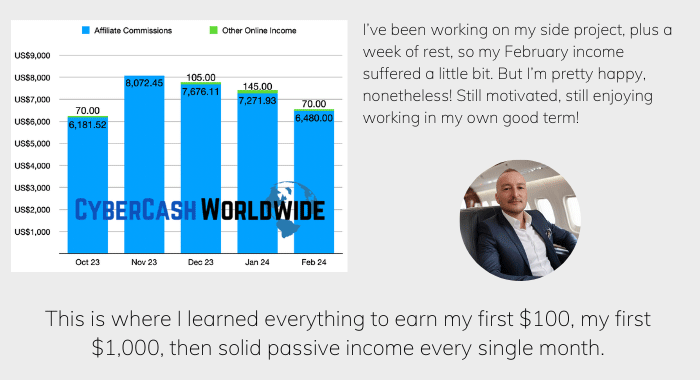
(Real Time) Affiliate Income Report Last Month

Hi is there someone I can contact by email, I was in deep trouble at one time with my website. I had nobody who could help me and had to spend a substantial fee to fix my website. Due to the pandemic & lack of funds, I developed a depression is now taken care of by the local social service I’m ok, but now I need to restore my site & did not what to do. If you can help me I’m grateful.
Hi Saba, thanks for your comment, and sorry to hear about the struggle. Good to hear that someone’s looking after you though. I sent you an email but it’s come back. Message me from the Contact page again, I think I can help you. All the best!
I’m glad to find this blog and learned about how to work at home without losing my mind because in the making money online, it is one of the most important elements. You can carry on for a while only because you interact with people but when we are stuck at home because of pandemic things are really doing your head in. I read each and everyone’s advice and appreciated how LGBTQ people keep themselves positively.
Me too I try to run in the morning but it’s getting difficult as it gets darker in the evenings. But exercise makes a huge difference in keeping a good mental state. I also recommend everyone even if you don’t work at home. Thank you for your advice.
Hi Ray, first of all, congratulations on being featured on the clinic site. I just read it and found your advice most relatable to me out of 11 other people maybe because I also work online. ✅ I also feel for you about your recent homophobic incident.
I know wherever you go and whatever you do, there are ignorant people that you have to deal with but when it comes to discrimination against minorities, I would not tolerate it, be it racism, homophobia, sexism, disability etc. You keep your dignity and still recommend everyone to learn from you and other LGBTQ people without prejudice, this is something I really look up to.
Thank you Ray, and well done to you for your advice. You have been really helpful.
Hi Clair, thanks for your comment. I agree with you, we should never tolerate any kind of discrimination. I appreciate that some of the readers from a country where gay relationships are illegal, but this site is published from the UK via the USA, they at least need to understand the LGBTQ rights, though irrelevant to the niche of this site! Thanks for sharing your thoughts Clair, I appreciate it!