
Solitude in a home office often feels like a massive blessing until the silence starts to weigh on your productivity levels throughout the day. You probably expected to find a flow state easily but instead you found yourself staring at a wall or a pile of laundry for hours.
Standard advice tells you to sit in a bright room and drink plenty of water to stay alert. These basic tips fail because they ignore the reality of human laziness and the need for extreme measures to maintain focus. You need a strategy that pushes back against the comfort of your own home with intensity. Distractions are everywhere when no one is watching your screen or monitoring your progress.
So let's look at ways to force your mind into a state of high output using methods that some people may find a little uncomfortable. If you want to see results, you must be willing to abandon the soft, gentle methods of the past.

#1 The Olfactory Anchor
Smells dictate how your brain reacts to a specific room or a certain time of the day. Most standard advice suggests a pleasant candle or fresh air to keep your mind clear. This misses a chance to trick your mind into a state of deep labor. Pick a scent that you actually find medicinal or even slightly unpleasant to use during work hours. Your brain will link this specific odor to the hard work you must complete before you are allowed to leave your desk.
Routine smells often fade into the background quickly and lose their impact on your nervous system. A sharp or pungent aroma keeps your senses alert and prevents you from drifting into a daydream. You should select a concentrated oil like tea tree or eucalyptus for work hours only to create a boundary. This creates a sensory border between your leisure time and your professional output that is hard to ignore. Success often depends on these invisible triggers that tell your body exactly what to do next.
Specific memory is the strongest link to productivity and memory recall in the human brain. You will notice a shift in your mental state the moment you open the bottle of your chosen scent. These triggers act like a physiological switch that turns on your professional brain. Your focus sharpens because your body recognizes the labor signal and prepares for the task at hand. Professionals often overlook this biological shortcut because it seems too simple to be fruitful.
- Open a jar of pickled onions or strong vinegar when you feel your attention slip during a project. This sudden scent shock forces your brain back into the present moment and away from distractions.
- Apply a specific, strong balm to your wrists only during deep work sessions to create an association. Your mind will learn to associate that smell with high-level concentration and stay on the correct path.
- Change the scent of your room every three hours to prevent sensory adaptation from occurring. New smells keep your nervous system from becoming too comfortable or bored with the environment.
- Avoid using your favorite scents for your workspace to keep your leisure time separate. You do not want to ruin a pleasant memory by linking it to stressful deadlines or difficult tasks.
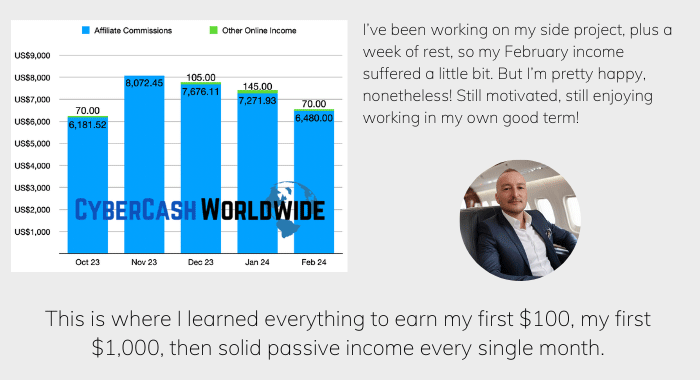
How I "Finally" Make Over $7,000 Monthly Income
"The most valuable thing I've ever done!"
#2 The Physical Discomfort Method
Comfort is the enemy of high output when you work alone without a manager present. You probably bought the most expensive ergonomic chair available to save your back. This luxury encourages your body to relax and drift into a state of mental fog. Swap that plush seat for a wooden stool or a hard folding chair for a few hours. Pain is a secondary concern when you are trying to finish a project on time.
Soft surfaces signal to your brain that it is time to rest or watch a movie. You will find that a slight physical tension keeps your mind from wandering toward your bed. Sit on the floor or use a standing desk that does not have a soft mat underneath. This minor irritation prevents you from sinking into a state of lethargy during the afternoon slump. You will finish your tasks faster just to be able to sit somewhere soft again in the evening.
Your posture should reflect the urgency of your objectives and the weight of your targets. A slumped posture results in slow thinking and a lack of motivation to finish the job. You should maintain a rigid spine to keep the blood flowing to your head at a steady rate. This physical discipline translates directly into mental discipline and a higher volume of work. Hard surfaces ensure that you remain focused on the screen rather than your own physical comfort.
- Place a small pebble in your shoe to create a constant reminder of your current task. This tiny annoyance keeps you from drifting into a state of mindless browsing or procrastination.
- Set your desk at a height that is slightly too high or too low for comfort. This minor adjustment requires you to stay alert to your physical positioning while you type.
- Work in a room that is five degrees colder than your ideal temperature to stay awake. Cold air prevents the sleepiness that often comes with a warm, cozy home environment during the winter.
- Remove the backrest from your chair for one hour every afternoon to engage your core. You will be forced to use your muscles, which keeps your brain active and prevents mental drift.
#3 Digital Self-Hostility

Technology should be a servant, but it often acts as a master that steals your time. You should treat your computer like a hostile environment that you must conquer to survive. Install software that does not just block sites but actually deletes your progress if you stop typing for too long. This creates a sense of immediate danger that fuels your output and keeps your fingers moving. You will not check your phone if the cost is the loss of your morning's labor.
Passwords should be long and extremely difficult to type without multiple errors. You should change your social media passwords to random strings of forty characters that are hard to remember. Write this password on a piece of paper and hide it in another room of your house. This physical barrier makes the act of logging in a deliberate and difficult choice for your brain. You will find that most distractions are not worth the walk across the house to find the paper.
Notifications are the sirens of the digital age that pull you away from your targets. You must turn off every sound and vibration your devices produce to maintain a quiet mind. Some people even suggest putting your phone in a timed safe until the workday is over. This removes the possibility of a quick check that turns into an hour of scrolling. You are the only one who possesses the ability to protect your time from these interruptions.
- Use a typewriter or a word processor with no internet connection for your first drafts today. This hardware limitation removes the temptation of the browser and the internet entirely from your reach.
- Set a timer that shuts down your internet router every ninety minutes to create urgency. You will work faster to beat the clock before the connection disappears and leaves you offline.
- Delete the most distracting apps from your phone every Monday morning as a ritual. This ensures that you do not fall into old habits at the start of the week.
- Change your screen to grayscale mode to make every website look boring and flat. Colors are designed to trigger dopamine, so gray screens reduce the urge to linger on social media.
#4 The Sound of Chaos
Silence is not always the best companion for deep thought or complex problem solving. You could find that total quiet allows your internal monologue to become too loud and distracting. Instead of soft music, try listening to brown noise or even the sound of a construction site. These harsh sounds create a wall that blocks out the small noises of your house. You will find it easier to concentrate when there is a steady roar in the background.
Classical music is too predictable for some high-pressure tasks that require intense focus. You should try listening to music in a language you do not understand to avoid mental tracking. This prevents your brain from trying to follow the lyrics or the story being told. The human voice becomes just another instrument in the mix that supports your objectives. You will find that this helps you stay in the zone without any external distraction.
Volume levels also play a role in how you process information and handle your workload. High volume could be overwhelming, but very low volume forces you to lean in and listen. You should set your background noise to a level that is just barely audible to your ears. This requires your brain to filter out the environment more aggressively to stay on track. You will become more attuned to the work in front of you because of this effort.

- Play a recording of a busy coffee shop at a high volume to simulate energy. This creates a social environment without the risk of someone actually talking to you or interrupting.
- Listen to a single song on a loop for four hours straight to find rhythm. The repetition eventually turns the music into a neutral background hum that supports high-level focus.
- Use earplugs underneath heavy noise-canceling headphones to block every single sound. This double layer of protection creates a sensory deprivation effect that is very productive for writing.
- Record the sound of your own keyboard and play it back to yourself while working. This phantom sound of productivity tricks your brain into thinking it is already working hard on a task.
#5 Visual Deprivation
Windows give a view of a world that is much more interesting than your spreadsheet or report. You should turn your desk away from any natural light or interesting scenery for a while. A blank wall is the best view for someone who needs to finish a project quickly. This visual boredom forces your eyes to stay on the monitor and the text in front of you. You will find that your output increases when there is nothing else to look at.
Clutter on a desk is a series of tiny invitations to procrastinate or clean. You should clear every single object from your workspace except for your computer and your notes. Even a pen or a stray paperclip is able to become a distraction if you are bored enough. A sterile environment reflects a focused mind and a clear set of professional objectives. You will notice that your thoughts are clearer when your desk is completely empty.
Lighting should be functional rather than aesthetic for your home office space. You should use a harsh, cool-toned desk lamp rather than warm ambient light from the ceiling. This mimicry of a laboratory or a hospital keeps you in a clinical and professional mindset. You are there to perform a task, not to relax in a cozy den with a book. Bright lights also prevent the natural dip in energy that occurs in the afternoon hours.
- Hang a dark sheet over your window during your most productive hours of the day. This removal of the outside world helps you stay grounded in your current task and targets.
- Wear a hat with a brim or a hoodie to create a set of blinkers. This narrows your field of vision so you only see the screen directly in front of your face.
- Remove all art and photos from the wall directly behind your monitor to stay neutral. This lack of visual stimulation ensures that your mind does not wander into memories or daydreams.
- Put a mirror behind you so you are able to see if you are wasting time. This self-observation creates a psychological pressure to remain on task and maintain a professional posture.
#6 Temporal Pressure

Time feels different when you are the only one in the office with no one watching. You should stop using a standard clock and use a countdown timer instead for every task. Observation of the seconds as they tick away creates a physical response that encourages speed. A clock just tells you what time it is, but a timer tells you how much life remains. You will find that this shift in perspective changes your pace entirely for the better.
Deadlines are often too far away to feel real or urgent in your mind. You should create artificial deadlines that are much earlier than the actual due date of the project. Tell yourself that the project is due at noon even if it is not due until Friday. This lie creates a healthy sense of panic that results in faster completion of the work. You will finish the work with more energy when the clock is against you.
Breaks should be earned rather than scheduled at specific times of the day. You should only allow yourself to stand up once a specific milestone is reached in your work. If you use a schedule, you will just wait for the break to arrive like a prisoner. If you use milestones, you will work harder to reach the finish line of that specific task. This turns your workday into a series of sprints rather than a long marathon.
- Set your watch fifteen minutes fast to create a constant sense of being behind. This minor trick keeps your urgency levels high throughout the entire day and night.
- Use an hourglass instead of a digital timer for a visual representation of time passing. The falling sand is a visceral reminder that your work period is shrinking with every second.
- Write your daily schedule in reverse, starting from the end of the day to the start. This reminds you of the limited time remaining before you must stop and go to sleep.
- Work in blocks of ten minutes with one-minute rests for high-intensity tasks you hate. This rapid cycle prevents the fatigue that comes from long, slow grinds on a single objective.
#7 Social Liability
Peer pressure is a great motivator that disappears when you work from home in isolation. You should find a way to bring that pressure back into your living room with force. Post your daily targets on a public social media page for all to see. Tell your followers that you will pay them money if you fail to finish the task. This financial and social risk will keep you at your desk until the job is done.
Video calls are able to serve as a surveillance instrument for your own productivity. You should start a call with a friend and keep the camera on without talking to them. The knowledge that someone is able to see you prevents you from opening a different tab or leaving. You will feel a sense of shame if they catch you looking at things that are not work. This silent companionship is a potent way to stay on track during the slow hours.
Contracts with yourself are easy to break, so sign them with someone else instead. You should ask a strict friend to check your progress every two hours with a message. Give them permission to be rude if you have not met your target for that block. This fear of a negative interaction is a great way to stay productive and focused. You will work harder to avoid the lecture that comes with failure.
- Pay a friend to hold a hundred dollars of your money until you finish your work. This immediate financial stake makes your output much more certain and your focus much sharper.
- Join a live-streamed study group where everyone shares their screen for accountability. This total lack of privacy ensures that you stay on the correct website for your project.
- Tell your family that you are not allowed to eat dinner until your task is done. This biological incentive is very difficult for your brain to ignore when you get hungry.
- Update a public progress bar on your website every hour to show your speed. This transparency forces you to maintain a steady pace to avoid looking lazy to the world.
#8 Mechanical Resistance

Ease of use is often the enemy of high-quality work and deep concentration. You should make your workflow slightly more difficult to ensure you stay engaged with the process. Use software that requires keyboard shortcuts instead of simple mouse clicks for every single action. This physical involvement keeps your brain from switching to autopilot during the middle of the day. You will find that the extra effort required keeps you focused on the details.
Drafts should be written in a font that is hard to read on your screen. You should try using a font like Comic Sans or a very small script for your first version. This forces your eyes to work harder to see what you have written on the page. This extra effort prevents you from skimming your own work and missing important errors in logic. You will catch more mistakes when the process is not smooth or easy.
Physical notes are often better than digital ones because they take more time to create. You should write your plan for the day by hand using a fountain pen on paper. This slow process gives your brain time to process the information before you start the task. You will remember your targets better when you have felt the ink on the paper during the morning. This tactile experience is far superior to typing into a cold application on your phone.
- Unplug your mouse and try to complete all your tasks using only the keyboard keys. This constraint forces you to think about every movement you make on the computer screen.
- Write your most difficult emails in a text editor with no spell-check active. This requires you to be much more careful with your word choices and your grammar.
- Print out your work and edit it with a red pen on a physical desk. This shift in medium gives a new perspective that digital screens lack during the editing phase.
- Keep your reference materials in a different room so you must walk to get them. This physical movement keeps your blood flowing and your mind alert for the next task.
Success in a home environment requires a level of strictness that most people never consider. You must be willing to become your own harshest boss to keep your targets within reach. These unusual methods could seem extreme, but they are necessary in a world filled with endless distractions and noise.
You are capable of far beyond what you realize when you remove the comforts of a standard office setting. I hope you''ll fine a new way to look at your daily routine and your workspace with fresh eyes. You should test these ideas to see which ones give the best results for your specific situation.
Focus is a skill that requires constant practice and the right environment to flourish over time. You will find that your output grows as you become more disciplined with your time and your surroundings. Seize control of your home office today and watch your productivity reach new heights.
(Real Time) Affiliate Income Report Last Month

Hi Ray, it’s a very useful article. All the 8 tips will work for me. Especially planning is most important for me because without planning I can easily be distracted by so many new projects and emails that I receive on an hourly basis. I tend to forget what I was originally aiming to do in terms of working from home.
Also asking for help and helping others are important for me because without interacting with others I can easily start having negative thoughts etc. Thank you for your tips. I will be actually using them starting today.
Hi Sam, thanks for your comment. Glad to hear that the post is of help a little. Yes every successful entrepreneur has their mentors, they help and they’re helped at all times. Thanks for your input, I appreciate it.
Hi, messages from my friends and family. That’s the most painful one to me. I need to work on my own in my office in the evening when my kids call me 3-4 times which is so distracting. Good idea about only accepting messages, not calls. Still hard but good option. I have my own kind of success planner book, that I can write in whatever ideas come up as and when. Slogans and positive thoughts and stuff. Thanks for your post. Nate
Hi Nate, thanks for sharing your experience. Great to hear that you’re organizing your own “success planner” book!
Very motivational…I’m sending you the best wishes, now you are sending me the same. 🙂
Thanks Shanice!
Thanks for the advice Ray!
There are so many tips from you that I can make use of……….
Creating a planner sounds like an awesome idea!
Thanks Aaran for your comment, I appreciate it!
Hi, if you ever want to work in Wall Street, there is a way. The team of 14 will teach you how to focus on goals fully also. Contact me, we have plenty of collaboration ideas with you, perhaps there are a few things that you can contribute to your readers.
Hi, I don’t think that’s what we’re looking for, but thanks for your suggestion!