Your current home workspace likely feels like a messy compromise rather than a center of dominance. Most people settle for a kitchen table or a dark corner, but your output deserves a dedicated chamber of focus. You need a space where distractions die and high-level execution happens without friction.
Every square inch of your lair should serve your mental clarity and physical comfort. Forget about basic office setups that look like a corporate cubicle. You should build a territory that reflects your personal style while shielding your brain from the outside world. Silence becomes a major asset once you lock the door.
Productivity flourishes when you remove every tiny annoyance from your peripheral vision. You will transform your current room into a sanctuary of high performance. Preparation starts now.Your new lair will serve as the ultimate base for your professional life.
The Neural Sanctuary Logic
Solitude requires more than just a closed door in a quiet house. Your brain responds to environmental cues that signal a shift into deep work. You will find that a dedicated scent or a specific lighting temperature triggers focus faster than sheer willpower. Most workers overlook the psychological impact of their physical surroundings. You should curate every element to remove friction from your daily habits.
Isolation from domestic noise keeps your thoughts from drifting toward household chores. You must establish a physical boundary that your family or housemates respect without question. Distractions destroy your momentum and force you to waste energy regaining your flow. Every interruption costs you twenty minutes of peak cognitive performance. You will guard your time like a dragon guards its hoard.
Lighting plays a massive role in how your eyes perceive the passing hours. Blue light during the morning hours keeps your alertness high and your mood stable. Warm tones later in the afternoon help your body prepare for a natural shift away from labor. You should automate these transitions to avoid manual adjustments during your busy blocks.Consistency in your environment builds a reliable mental state for every session.
Install a smart lighting system to automate color temperature shifts. Your eyes will feel less strained when the glow matches the natural progression of the sun.
Scent your workspace with a single fragrance used only for work. Your olfactory bulb will soon associate that smell with immediate concentration.
Position your desk so you face the door or a clear path of entry. High levels of alertness come from knowing no one will sneak up on your back.
Clear every non-work item from your visual field before you sit down. Clutter acts as a silent drain on your attention even if you think you ignore it.
Set up a physical "On Air" light outside your room to signal your unavailability. Communication remains clear with your housemates without you saying a word.

Sonic Isolation and Acoustic Dampening
Noise behaves like a liquid that seeps through every crack in your doorway. You will notice that even faint sounds from the street pull your attention away from your screen. High-frequency sounds are particularly aggressive when you try to maintain a state of flow. You should invest in heavy materials that absorb these vibrations before they reach your ears. Every decibel you remove adds to your cognitive endurance.
Passive insulation works better than active noise cancellation for long durations. Foam panels or thick curtains change the way sound bounces around your lair. You will experience a sense of calm when the room stops echoing every keystroke. Most home offices sound like hollow boxes which creates a layer of stress. You should aim for a "dead" room where your voice sounds flat and immediate.
Background audio should remain consistent to mask sudden sharp noises from outside. Pink noise or brown noise serves your brain better than silence which makes every pin drop sound like a thunderclap. You will find that low-frequency rumbles provide a steady floor for your concentration. Music with lyrics often competes with your internal monologue. You should stick to repetitive, non-vocal tracks to keep your language centers free for your tasks.
Hang heavy velvet curtains over your windows to block external traffic hum. Thick fabric traps sound waves and prevents them from rattling your glass panes.
Place a draft stopper at the base of your door to seal the air gap. Sound travels through air, so closing the physical path kills most hallway chatter.
Use acoustic foam on the wall directly behind your monitor to stop reflections. Your own voice will sound clearer during calls and the room will feel tighter.
Deploy a dedicated white noise machine instead of using a phone app. Hardware solutions often produce a fuller spectrum of sound that masks disruptions more effectively.
Mount bass traps in the corners of your room to prevent low-end buildup. Clearer sound quality in the room reduces the fatigue your brain feels after hours of focus.
Atmospheric Air Quality Control
Oxygen levels in a small, closed room drop faster than you realize. Your brain begins to fog up once carbon dioxide levels cross a certain threshold. You will feel sleepy or sluggish despite having enough coffee or rest. Fresh air circulation is a requirement for anyone spending eight hours in a single chamber. You should monitor the air quality to ensure your neurons have the fuel they need.
Plants do more than just sit there and look green. A few specific species scrub toxins from the air and release oxygen during the day. You will breathe easier when your lair contains a small forest of snake plants or peace lilies. These biological filters require very little maintenance but give back huge rewards in clarity. Your lungs will appreciate the lack of stale, recycled air.
Humidity control prevents your eyes and throat from drying out during long shifts. Low humidity leads to irritation and makes you feel more tired than you actually are. You will find that a stable moisture level keeps your skin comfortable and your focus sharp. Air that is too damp creates a heavy, oppressive feeling that ruins your drive. You should aim for a sweet spot that feels invisible to your senses.
Place a CO2 monitor on your desk to track air freshness. You will know exactly when to crack a window to prevent a mental slump.
Keep at least three large-leaf plants within three feet of your chair. Natural filtration happens silently and improves the visual texture of your space.
Run a small humidifier during the winter months to protect your mucous membranes. Your vocal cords will stay hydrated for long meetings without constant sipping.
Open a window for five minutes every two hours to flush the room. Air exchange prevents the buildup of volatile organic compounds from your furniture.
Use an air purifier with a HEPA filter to remove dust and allergens. Pure air reduces the chance of sneezing fits that break your concentration.
Thermal Optimization and Body Temp
Temperature dictates your level of aggression and focus throughout the day. A room that is too warm induces lethargy and makes you want to nap. You will find that a slightly cool environment keeps your mind crisp and alert. Most people ignore the thermostat until they are already sweating or shivering. You should treat your body temperature as a variable you control for maximum output.

Thermal Optimization and Body Temp
Localized heating or cooling is more efficient than adjusting the whole house. A small fan directed at your face provides a constant stream of fresh, cool air. You will feel a boost in energy when you prevent heat from pooling around your legs. Feet that stay warm help your overall circulation and prevent a distracting chill. You should use a small rug or heated mat if your floors are cold.
Fluctuations in temperature throughout the day can ruin your rhythm. Your body naturally cools down in the afternoon which can lead to a slump in productivity. You will find that adding a layer of clothing is better than turning up the heat. Layers allow for quick adjustments as your activity level changes. You should keep a dedicated "work jacket" or heavy shirt nearby for these shifts.
Set your thermostat to sixty-eight degrees for the ideal focus window. Research shows this temperature keeps the human brain in an optimal state for logic.
Point a quiet USB fan at your wrists to cool your blood flow. Your entire body will feel refreshed without the noise of a large floor fan.
Wear wool socks to keep your extremities at a constant temperature. Warm feet signal to your nervous system that you are safe and comfortable.
Drink cold water in the morning and warm tea in the late afternoon. Internal temperature regulation supports your natural circadian rhythm throughout the work day.
Install a cellular shade on your window to block solar heat gain. Reflection of the sun's rays prevents your lair from turning into a greenhouse in July.
Peripheral Vision Sanitization
Your eyes are constantly scanning the environment for movement or changes. Every item in your line of sight requires a tiny amount of processing power from your brain. You will find that a minimalist view in front of you preserves your mental energy. Most home offices are filled with books, gadgets, and personal items that scream for attention. You should move everything that is not related to your current task out of sight.
Wall colors affect your mood and your ability to focus on a screen. High-contrast patterns or bright colors act as a constant stimulant that tires your optic nerve. You will feel more relaxed in a room with neutral, matte finishes. Glossy surfaces reflect light and create glare that leads to headaches. You should choose a wall color that recedes into the background.
Cable management is not just about aesthetics; it is about mental order. A mess of wires looks like a chaotic puzzle that your brain tries to solve subconsciously. You will feel a sense of relief once your desk surface is clear of tangled cords. Most people let cables dangle behind their monitors or across their floors. You should hide every wire inside a sleeve or under a tray.
Mount your monitors on arms to clear the space beneath the screens. Your desk will feel larger and less cluttered with the stands removed.
Use a desk mat to define your primary work area and dampen noise. Texture under your hands provides a subtle tactile boundary for your activities.
Paint the wall behind your monitor a dark, flat charcoal or navy. Deep colors reduce the strain on your eyes by absorbing excess light from the screen.
Store your physical files and books in closed cabinets rather than open shelves. Visual silence is achieved when your possessions are tucked away from view.
Route all power cables through a single spine to the floor outlet. Organization of your power sources prevents accidental trips and looks incredibly clean.
Hardware Latency and Navigation Speed
Friction in your digital movements adds up to massive frustration over a long day. A mouse that stutters or a keyboard that misses strokes ruins your flow. You will notice that high-quality peripherals make your work feel lighter and more responsive. Most office-grade equipment is built for durability rather than performance. You should invest in hardware that responds as fast as your thoughts.
High refresh rate monitors are not just for gaming; they reduce eye fatigue. Smooth motion on the screen is easier for your brain to track as you move windows around. You will find that a sixty-hertz screen feels sluggish once you experience one-hundred-and-twenty hertz. Clarity in text and icons reduces the effort required to read small print. You should prioritize screen quality over screen size if you have to choose.
Wired connections provide a stability that wireless signals cannot match. Interference from microwaves or other routers can cause tiny blips in your internet speed. You will feel more confident during video calls when you know your connection is rock solid. Most people rely on Wi-Fi because it is convenient and easy to set up. You should run an ethernet cable to your lair for a permanent, fast link.
Switch to a mechanical keyboard with switches that match your typing force. Feedback from each keypress helps you type faster and with fewer errors.
Update your mouse to an optical sensor with a high polling rate. Precision in your cursor movements prevents the small annoyances of overshooting your target.
Connect your computer directly to the router via a Cat6 ethernet cable. Speed increases and latency drops the moment you bypass the wireless airwaves.
Use a monitor with an IPS panel for better color accuracy and viewing angles. Your eyes will appreciate the consistent brightness across the entire surface of the display.
Plug your equipment into a battery backup system to prevent sudden shutdowns. Power surges or brief outages will not cost you your unsaved work.
Digital Firewalling of the Mind
Software distractions are just as dangerous as physical ones in your lair. Notifications are designed to hijack your attention and pull you into a loop of reactivity. You will regain control of your day by silencing every non-human alert on your devices. Most workers leave their email and chat apps open all day long. You should check these on a schedule rather than letting them dictate your focus.
Browser tabs are the clutter of the digital world and they drain your RAM and your brain. Every open tab represents an unfinished thought that lingers in your subconscious. You will find that closing everything at the end of a session feels like a mental reset. A clean desktop provides a fresh start for your next block of high-level work. You should use a tab manager to save groups of links for later instead of keeping them active.
Dedicated profiles for work and personal use prevent "context bleeding" during your day. Your personal bookmarks and social media logins should not be visible when you are in your lair. You will stay on task more easily when your work browser only shows professional links. Most people mix their digital lives and wonder why they end up on YouTube at two in the afternoon. You should create a strict separation between your fun and your labor.
Disable all non-essential notifications on your desktop and your phone. Silence is the default state you should maintain for ninety percent of your day.
Use a website blocker to restrict access to distracting domains during work hours. Discipline is easier when the path to procrastination is physically blocked.
Create a separate user account on your computer for your professional tasks. Settings and files stay organized and away from your personal gaming or media.
Schedule specific times to check your inbox instead of keeping it open. Batching your communication saves hours of switching back and forth between tasks.
Clean your desktop icons every Friday afternoon to prepare for the next week. Order in your digital files reflects the order you want in your head.
Ritualistic Entry and Exit
A lair is a mental state as much as it is a physical location. You need a way to tell your brain that the workday has officially started. You will find that a series of small actions creates a "gateway" into your professional persona. Most people just roll out of bed and sit down at their desks in their pajamas. You should dress and act as if you are leaving the house to go to a high-stakes meeting.
Morning routines should focus on preparing your environment for the battles ahead. Clearing your desk, filling your water bottle, and checking your list are all part of the ritual. You will feel a sense of purpose as you complete these tiny, repetitive steps. The act of closing your door should feel like the start of a mission. You should treat the first ten minutes of your day as a sacred time for setup.
Evening shutdowns are just as vital for your long-term sanity and recovery. You must physically leave your lair and close the door at a set time every day. You will find it hard to relax if your work is always visible from your living room or kitchen. A "commute" can be as simple as walking around the block to clear your head. You should never let your work life bleed into your dinner or your sleep.
Wear a specific pair of shoes that you only put on when you are at your desk. Physical cues like footwear help your brain understand that leisure time is over.
Write down your top three tasks for tomorrow before you shut down tonight. Clarity for the next morning prevents the anxiety of a blank page when you wake up.
Clear your desk of every scrap of paper and every coffee cup at the end of the shift. Returning to a clean lair is a gift you give to your future self.
Step outside for a five-minute walk the moment you finish your last task. Movement signals the transition from the lair back to your personal life.
Turn off your monitor and your speakers to signify the total end of the day. Dark screens prevent the temptation to "just check one more thing" before bed.
The Hydration and Micro-Nutrition Station

Fueling your brain is a technical requirement for sustained output in your lair. Dehydration leads to a loss of focus and a rise in irritability long before you feel thirsty. You will maintain a steady level of energy by sipping mineralized water throughout your sessions. Most people forget to drink until they have a headache or feel completely drained. You should keep a large vessel of water within arm's reach at all times.
Snacking should be a functional choice rather than an emotional one during work hours. Sugary treats cause a spike and a crash that ruins your afternoon momentum. You will find that high-fat, low-carb options provide a much more stable source of brain fuel. Nuts, seeds, or a small piece of dark chocolate keep your blood sugar from swinging wildly. You should avoid eating heavy meals that force your body to divert blood to your stomach.
Caffeine is a precision instrument that you must use with care and timing. A cup of coffee too early ruins your natural cortisol peak and leads to a mid-morning crash. You will find that waiting ninety minutes after waking up creates a much smoother energy curve. Too much caffeine in the afternoon will ruin your sleep and destroy your focus for the next day. You should treat your stimulants like a limited resource for your hardest tasks.
Keep a two-liter jug of water on your desk and finish it by lunchtime. Measurement of your intake ensures you are actually meeting your biological needs.
Add a pinch of sea salt to your water to improve your electrolyte levels. Minerals help your cells stay hydrated and keep your nerves firing correctly.
Store small portions of walnuts or almonds in your desk drawer for quick fuel. Healthy fats are the preferred energy source for your cognitive functions.
Drink your last cup of coffee at least eight hours before you plan to sleep. Protection of your sleep cycle is the best way to ensure productivity tomorrow.
Use a high-quality glass or metal bottle to avoid plastic leaching into your drink. Pure water tastes better and keeps your lair free of disposable waste.
Lighting Spectra for Circadian Alignment
Light is the primary signal your body uses to set its internal clock. Natural sunlight contains a full spectrum of colors that change as the day progresses. You will feel more synchronized with the world when your lair lighting mimics these shifts. Most home offices have a single, static light source that never changes its intensity or hue. You should use multiple layers of light to create a more natural environment.
Morning light should be bright and contain plenty of blue wavelengths to suppress melatonin. This tells your brain that it is time to be awake, alert, and ready for action. You will find that sitting near a window provides the best possible start for your circadian rhythm. Artificial lights can do the same job if they are high-intensity and cool-toned. You should prioritize this type of exposure for the first four hours of your day.
Late afternoon lighting should transition to warmer, dimmer tones to signal the coming of night. Red and orange wavelengths are much gentler on your eyes and don't interfere with your sleep prep. You will feel a natural wind-down as the harsh blue light of the morning disappears. Shadows in the room help your brain perceive the end of the workday. You should avoid bright overhead lights once the sun begins to set.
Place your desk near a window to maximize your exposure to natural daylight. Sunbeams are the most effective way to keep your mood and energy high.
Use a "sad lamp" or a high-lux light box if your room lacks windows. Bright light therapy in the morning can fix a sluggish start in just twenty minutes.
Swap your standard bulbs for smart LEDs that change color based on the hour. Automation removes the need for you to remember to dim the lights at night.
Add a task lamp with a warm bulb for your desk work in the late evening. Focus on your paperwork is possible without flooding the whole room with light.
Install software on your computer to filter blue light as the sun goes down. Protection of your eyes from screen glare helps you fall asleep much faster later.
Tactile Feedback and Surface Texture
The things you touch in your lair have a direct impact on your comfort and focus. Smooth, cold surfaces like glass can feel clinical and uninviting after several hours. You will find that natural materials like wood or leather add a sense of warmth to your space. Most people settle for cheap plastic furniture that feels flimsy and uninspiring. You should choose textures that feel solid and high-quality under your hands.
Desk mats provide a soft surface for your forearms and a precise area for your mouse. Felt or rubber mats dampen the sound of items being moved across your desk. You will enjoy a more comfortable typing experience when your wrists aren't resting on a hard edge. A bit of friction is good for preventing your keyboard from sliding around. You should look for a mat that covers the majority of your primary work zone.
Chair fabrics dictate how much heat your body retains while you sit for long periods. Mesh allows for airflow but can feel rough against your skin if you wear short sleeves. You will find that high-quality fabric or perforated leather offers a better mix of breathability and comfort. Avoid cheap vinyl that traps sweat and becomes sticky in the summer heat. You should prioritize a chair material that remains comfortable for at least four hours.
Choose a solid wood desk surface for a sturdy and timeless workspace. Natural grain provides a visual texture that is much more relaxing than flat white laminate.
Use a wool felt desk mat to add a layer of soft, natural cushioning. Texture under your hands keeps you grounded and reduces the noise of your setup.
Select a chair with a breathable mesh back to keep your spine cool. Airflow prevents the "hot back" syndrome that makes long shifts feel unbearable.
Keep a microfiber cloth in your drawer to wipe down your mouse and keys. Clean surfaces feel better to touch and prevent the buildup of oils and grime.
Add a textured footrest to keep your legs engaged and your posture correct. Stimulation of the soles of your feet can help you stay alert during long calls.
Metabolic Fueling for Focus
Digestion is an energy-intensive process that can pull resources away from your brain. Large meals lead to a state of sleepiness as your body focuses on processing all that food. You will find that "grazing" on small, nutrient-dense snacks keeps your energy levels more stable. Most workers eat a heavy lunch and then struggle to stay awake for the rest of the afternoon. You should aim for a metabolic state that feels light and ready for action.
Protein and fats are much better for your brain than simple carbohydrates or sugars. Your neurons require steady fuel rather than the quick burn of a candy bar or a soda. You will experience a lack of brain fog when you avoid processed grains during your work hours. Eggs, avocados, and fish are all excellent choices for a high-performance lunch. You should treat your food as a chemical input for your professional success.
Timing your meals can help you hack your productivity and your recovery. Fasting for the first few hours of the morning keeps your adrenaline levels high and your focus sharp. You will find that a late lunch allows you to power through your most difficult tasks early. Once your work is done, you can eat a larger meal to help your body relax and recover. You should experiment with different eating windows to see what suits your lair activities.
Eat a breakfast high in healthy fats to provide a long-lasting energy floor. Avocados or nuts will keep you full without the sugar crash of cereal or toast.
Prepare your lunch in advance to avoid making poor choices when you are hungry. Pre-made salads or protein bowls save you time and keep you on your plan.
Drink green tea instead of a second cup of coffee in the mid-afternoon. L-theanine in the tea provides a calm, focused energy without the jitters.
Keep a stash of high-quality jerky for a quick hit of protein during a busy day. Salt and protein help you stay alert when you don't have time for a full meal.
Limit your intake of liquid calories like juice or soda while you are working. Water or unsweetened tea is the only fluid your brain truly needs to function.
Biometric Triggers and Mental Anchors
Your lair should be full of "anchors" that pull your mind into a state of deep concentration. A mental anchor is any physical stimulus that you have associated with a specific task. You will find that putting on a certain pair of noise-canceling headphones acts as a trigger for work. Most people don't realize they can train their brains to focus on command. You should create a sequence of actions that always leads to your highest output.
Biometric feedback helps you understand when you are pushing too hard or when you are bored. A heart rate monitor can show you when you are getting stressed out by an email or a meeting. You will be able to take a break before you burn out if you listen to your body's data. Most workers ignore their physical symptoms until they are already exhausted or angry. You should use technology to stay in tune with your internal state.
Visual cues can also serve as anchors for different types of work within your lair. A blue light might mean "writing time" while a green light means "meeting time." You will find that your brain shifts gears faster when the room looks different for each task. These small changes break up the monotony of the day and keep your mind fresh. You should use every tool at your disposal to create a dynamic and responsive lair.
Play a specific instrumental playlist only when you are doing your hardest work. Your brain will eventually start to focus the moment it hears the first few notes.
Use a standing desk to shift your physical state when you feel your energy dipping. Movement of your large muscle groups sends a fresh surge of blood to your brain.
Place a physical timer on your desk to track your deep work sessions. Seeing the time tick away creates a healthy sense of urgency and focus.
Wear a fitness tracker to remind you to stand up and stretch every hour. Physical health is the foundation upon which your mental performance is built.
Light a specific candle or incense stick only during your most creative blocks. Olfactory anchors are some of the strongest triggers for human memory and focus.
Burnout Control: The Emergency Button
Even machines overheat and require maintenance. Learn to recognize when you’re pushing yourself too hard and need to step back. Yes, even robots need downtime.
The Warning Signs
Recognize the signs of burnout before it consumes you. Fatigue, irritability, and dwindling motivation are red flags waving in the distance. Don’t ignore them. Acknowledge the need for a break and take it without guilt.
The Power Nap
Short naps can reboot your system like a soft reset for your brain. A quick 20-minute power nap can leave you feeling refreshed and ready to tackle the rest of your day. Treat it as a recharge, not a luxury.
Hobbies: The Circuit Breaker
Engage in hobbies that bring you joy outside of work. Whether it's painting, playing an instrument, or gardening, find activities that help you unplug from your mechanical routine. These hobbies act as a circuit breaker, allowing you to reset and recharge.
Self-Care: The Maintenance Routine
Self-care isn’t just for humans; robots need it too. Take time to indulge in activities that nurture your well-being. Whether it’s a long bath, a workout session, or reading a good book, prioritize self-care as a non-negotiable part of your routine.
Know When to Stop
The clock strikes midnight, and you’ve been working like a robot all day. Recognize when it's time to shut down and call it a day. Overworking will only lead to diminishing returns, and you deserve to rest. Remember, tomorrow is another day, and you'll rise again as the productivity machine you are.
Program Your Robot Brain: The Ritual of Routine
Routine is your friend, not your enemy. Imagine yourself as a robot, one with a glitch-free schedule that optimizes productivity. You're not just working; you're operating.
Set Your Software
Wake up at the same time every day, like a well-oiled machine. No snooze button allowed. Set your internal clock and train yourself to rise and shine like a soldier on a mission. Your morning routine sets the stage for the rest of the day, so make it count.
Time Blocks: The Unbreakable Code
Break your day into chunks or time blocks. Designate specific hours for each task, and don't let anything or anyone interrupt your sacred flow. Maybe you’re all about Pomodoro Technique—25 minutes of focused work followed by a 5-minute break—or maybe you prefer 90-minute work sessions with a longer break. Find what works for your circuitry and stick to it.
Meal Prep Like a Robot
Fuel your machine with prepped meals that won't leave you crashing after lunch. Plan your meals like you're preparing for a space mission. Healthy snacks within reach to keep your energy stable and your focus razor-sharp. Your mission is clear: eat, fuel, conquer.
Hydration: The Secret Sauce
Keep a bottle of water on your desk, always within arm’s reach. Hydration is key to maintaining those productivity levels. Maybe even throw in a slice of lemon for a bit of zest that keeps you feeling fresh.
Dress for Success - or Comfort
Dress like you mean business, even if you're not leaving your fortress. Whether it's a button-up shirt or your favorite sweatpants, wear what makes you feel invincible. You're the commander of this ship, and you deserve to feel as powerful as you are comfortable.

Disconnect to Reconnect
The Art of Isolation: Disconnect to Reconnect
Now it's time to seal yourself away from the outside world. Think of yourself as an island, untouched by the chaos around you. You’re going full hermit mode, and it’s glorious.
The Phone Lockdown
Your phone is your greatest enemy. Lock it up in a drawer or, better yet, throw it into a drawer that you’ve duct-taped shut. There’s no need to check for memes or cat videos when there’s work to be done. Your phone can wait.
Social Media Blackout
Install website blockers like Freedom or Cold Turkey to cut off access to social media and other distracting sites. You’re not just avoiding distractions; you're entering a state of deep focus that even the most seasoned yogi would envy. Forget FOMO; you're living the dream by not knowing what's happening on Instagram.
Communicate Like a Robot
Let your friends, family, and colleagues know that you’re diving into deep work mode. Put an “Out of Office” message on your email even if you're not technically out of the office. Make them understand that you're in your zone, and there's no reaching you unless the house is on fire.
Ambient Noise: The Great Barrier
Consider adding some ambient noise to keep distractions at bay. There are countless apps out there with sounds of rain, forest, or even a bustling café. Find what makes you feel like you’re somewhere else, anywhere else but in the middle of chaos. It’s the little things that matter.
DND: The Shield of Solitude
Set all devices to Do Not Disturb mode. This isn't just about ignoring phone calls; it's about creating a fortress of silence where nothing but the ticking clock and the sound of your typing fingers exist.

Supercharge Your Work Session: The Ultimate Robot Mode
It’s time to dive deep into your work and reach levels of productivity that seem almost inhuman. This is the time to shine, to become the robot you've always dreamed of being.
The Power Hour
Identify your peak performance hours - when your mind is sharpest, and your creativity is flowing like a river. Reserve these hours for your most important tasks, where you can operate with laser focus and bulldoze through your to-do list.
Single-Tasking: The One-Track Mind
Embrace the power of single-tasking. Multitasking is a myth, a mirage of productivity that only slows you down. Zero in on one task, like a missile locked onto its target, and execute it with precision.
Breaks: The Recharge Sessions
Even robots need breaks. Schedule regular short breaks to recharge your mind and body. Get up, stretch, do a little dance, or simply step outside for a breath of fresh air. You might even set an alarm for a five-minute meditation or some quick push-ups.
The Feedback Loop
After each work session, evaluate your performance. Identify what worked, what didn’t, and adjust your strategy accordingly. This self-assessment is your feedback loop, allowing you to refine your process and become an even more efficient machine.
The Task Slaying List
At the start of each day, create a list of tasks you want to accomplish. Prioritize them by importance and knock them out one by one. Cross them off with satisfaction as you crush each task, reveling in the sense of achievement that fuels your robot heart.
The Fortress of Solitude: Creating Your Lair
You've locked yourself up and transformed into a productivity robot. You’ve embraced the chaos and channeled it into focus and efficiency. You’ve mastered the art of isolation, programmed your routine, and conquered distractions like a champion.
Remember, being a robot doesn’t mean losing your humanity. It’s about finding the balance between work and play, knowing when to push forward and when to pull back. Enjoy the ride, and don't forget to laugh at the absurdity of it all. After all, life’s too short to take things too seriously.
Welcome to the robot revolution—your fortress of solitude awaits, ready for your next great conquest.
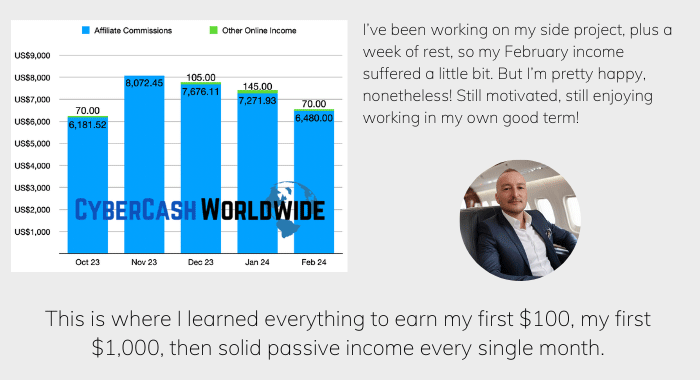
(Real Time) Affiliate Income Report Last Month