
Your digital venture looks like a gold mine from the outside, but the mental cost remains hidden behind flashy success stories. You spend hours staring at monitors while the weight of a thousand small decisions presses down on your shoulders. Success in the virtual world creates a paradox where more money often translates into less peace and more frantic late-night troubleshooting sessions.
The internet never sleeps, and you eventually feel like you must follow that same exhausting pace just to stay afloat. You trade your steady office life for a chaotic mess of servers, scripts, and demanding customers who expect instant gratification. Every click represents a potential sale or a potential disaster, and that constant high-stakes game wears your nerves thin over time.
You are the only person responsible for the survival of the enterprise, which makes every setback feel like a personal indictment of your worth. Stress is not a side effect of your progress; it is the fuel that keeps the machine running until the tank finally hits empty. You need a way to look at this pressure that doesn't involve the same old advice about green tea. You will find that growth is a double-edged sword.
Operational Friction and Cortisol Metrics
Scaling a digital venture results in a measurable increase in operational friction. Founders often face a surge in SLA violations and server-side latency, which triggers an acute physiological stress response.
Data suggests that prolonged exposure to high-stakes decision-making without a defined mitigation strategy results in a 40% decrease in cognitive throughput. To maintain peak performance, a founder must implement a "Technical Debt Audit." This involves identifying legacy code or broken workflows that increase the mental load. By reducing the number of manual interventions required to maintain the site, you lower the daily cortisol spikes associated with system failures.
Algorithmic Volatility and Neurochemical Stability
Frequent shifts in search parameters create a state of high-alert HPA (Hypothalamic-Pituitary-Adrenal) axis activation. A founder watching real-time analytics often experiences a drop in dopamine when traffic metrics fluctuate. To mitigate this, transition from daily monitoring to a 7-day rolling average for all KPI reports.
This smoothing of the data curve reduces the frequency of acute stress responses. Technical stability in the backend—particularly optimizing for LCP (Largest Contentful Paint) and CLS (Cumulative Layout Shift)—is the primary defense against the anxiety of a site failure. A robust server environment acts as a buffer, enabling the operator to focus on long-term scaling instead of constant crisis management.

The Scalability Mirage
The dream of unlimited growth without extra effort is often a lie told to sell digital courses. You find that every new customer adds a layer of mental weight and manual oversight to your daily schedule. Automation software frequently breaks at the worst possible moments, leaving you to repair the damage during your supposed time off. Such systems are helpful, but they will never replace the need for your constant vigilance and quick thinking. You end up building a larger cage for yourself while telling everyone else how free you are lately.
Revenue increases usually come with a proportional increase in the complexity of your internal operations and external obligations. You must manage more data, handle more support requests, and keep up with a faster pace of industry shifts. That pressure to expand usually leads to a state where you are always behind on your to-do list. Small errors that used to be minor nuisances now threaten the stability of your entire professional life. You are the only person who truly knows how fragile the whole structure actually is behind the scenes.
Scaling your operations often means you spend less time on the work you love and more time on logistics. You become a manager of processes rather than a creator of value for your visitors and buyers. The thrill of the first sale is replaced by the anxiety of maintaining a high volume of transactions. Every success creates a new set of problems that you are forced to solve alone in your home office. You will eventually realize that bigger is not always better for your sanity or your sleep schedule.
- Review your automation scripts once a week to ensure that everything is functioning as intended. Regular checks prevent small glitches from becoming major disasters that ruin your weekend.
- Keep a manual log of all manual tasks to see where your time is actually disappearing. Identifying these drains is the first step toward finding a real solution for your workload.
- Limit the number of new projects you take on during a heavy growth phase to protect your mental health.Saying no to potential money is sometimes the only way to save your sanity.
The Digital Isolation
The physical world disappears when you spend twelve hours a day looking at pixels on a glowing screen. You miss the casual conversations and the background noise of a traditional office environment during your work hours. Loneliness becomes a silent companion that creeps in while you are busy hitting your targets and milestones. Such a lifestyle makes it difficult to relate to friends who work regular jobs with predictable schedules. You are essentially living in a bubble where the only feedback you receive comes from cold metrics and data points.
Social connections are hard to maintain when your mind is always tethered to your server status and email inbox. You might attend a dinner party but spend the entire evening worrying about a potential drop in your traffic. Your family members do not always comprehend the level of stress that comes with being a solo operator. That sense of being misunderstood leads to further withdrawal from the people who actually care about you. You end up talking to your software more than you talk to other human beings in your life.
Professional isolation means you have no one to consult when a major decision needs to be made quickly. You are the judge and the jury for every strategy you implement in your online business model. The lack of a second opinion leads to a cycle of second-guessing and intense mental fatigue over time. You must find ways to connect with others who are in the same situation to stay grounded. Such connections are rare and often require a lot of effort to build from scratch.
- Schedule a lunch date with a friend at least once a week to force yourself out of the house. Human interaction is a mandatory requirement for keeping your perspective clear and your mood stable.
- Join a local group of small business owners to talk about your hurdles in a real-world setting. Hearing that others face the same problems will help you feel less alone in your struggle.
- Turn off all digital notifications for at least two hours every evening to focus on your family. Constant pings from work make it impossible to truly connect with the people you love.
Notification Induced Anxiety
Dopamine hits from every new sale or positive comment keep you hooked on your smartphone all day long. You find yourself reaching for your device the moment you wake up to check for any overnight developments. The sound of a ping creates a physical reaction that keeps your nervous system in a state of high alert. Such a constant loop of expectation and reward is exhausting for your brain and your body. You are essentially a servant to the tiny red circles that appear on your screen every few minutes.
Negative feedback or technical alerts hit much harder when they arrive in the same stream as your personal messages. You cannot separate your work life from your private life when everything happens in the same digital space. One bad review can ruin a perfectly good afternoon with your friends or your partner. The fear of missing something mandatory keeps you glued to your browser for far longer than is healthy. You end up living in a state of perpetual distraction that kills your ability to focus on deep tasks.
Digital noise creates a mental fog that makes it hard to think about long-term strategies for your venture. You are so busy reacting to the immediate demands of your notifications that you lose sight of the big picture. Every minor issue feels like a major emergency when it arrives with a loud sound and a vibration. Such a reactive lifestyle leaves you feeling drained and uninspired at the end of every single day. You must reclaim your attention if you want to grow your business without losing your mind in the process.
- Set your phone to "do not disturb" mode during your most productive morning hours to focus on your work. Removing the distractions allows you to finish your tasks faster and with much higher quality.
- Check your email only three times a day to prevent your inbox from dictating your entire schedule. You will find that most messages do not require an immediate response to be successful.
- Delete work-related social media apps from your personal phone to create a hard boundary between life and business. Browsing your stats in bed is a recipe for poor sleep and increased anxiety levels.
The Algorithm Overlord
Software updates from search engines or social platforms can destroy your traffic and revenue overnight without any warning. You spend years building a presence only to have a single line of code change your entire financial future. Such a lack of control creates a deep sense of insecurity and helplessness in even the most successful founders. You are constantly trying to guess what a machine wants instead of focusing on what your customers need. The stress of staying relevant in a shifting digital environment is a heavy burden to carry alone.

Market shifts are often dictated by companies that do not care about your small business or your personal well-being. You must adapt to new rules and regulations that seem to change every few months for no clear reason. That feeling of being a small fish in a very large and unpredictable ocean is quite terrifying. You end up spending more time on technical compliance than you do on creative work or product development. Such a treadmill of updates keeps you in a state of permanent rush and mild panic.
Dependence on a single platform for your income is a risk that keeps many entrepreneurs awake at night. You know that a single mistake or a change in policy could end your career in a matter of minutes. The need to diversify your traffic sources adds another layer of complexity and stress to your daily routine. You are essentially playing a game where the rules are kept secret and the referee is an automated script. Such a situation requires a level of mental resilience that most people simply do not possess.
Build an email list that you own to protect your business from the whims of external platforms. Direct access to your customers is the only way to ensure your long-term survival in a volatile market.
Track industry news for at least thirty minutes a day to stay ahead of any major technical shifts. Being prepared for change is much better than reacting to it after your traffic has already dropped.
Diversify your income streams so that a single platform failure does not result in a total loss of revenue.Multiple sources of cash flow provide the security you need to sleep better at night.
Decision Fatigue in a Vacuum
Every choice in your business rests entirely on your shoulders, from the color of a button to the price of a product. You make hundreds of these small decisions every day without anyone to help you weigh the pros and cons. Such a constant mental drain leads to a state where you are too tired to make the choices that actually matter. You find yourself procrastinating on major projects because your brain is exhausted from the minor details of the morning. The weight of sole responsibility is a silent killer of productivity and creative spirit.
Mental fatigue makes you more likely to make mistakes that could cost you money or damage your professional reputation. You might send an email with a typo or set the wrong date for a major promotion because you are drained. These errors create even more stress as you scramble to fix them and apologize to your customers or clients. The cycle of exhaustion and repair is a common feature of the solo entrepreneur's daily life. You eventually feel like you are just moving from one minor crisis to the next without any real progress.
Long-term planning becomes impossible when you are stuck in the weeds of daily operations and small choices. You lose the ability to see the path ahead because you are too busy looking at the obstacles right in front of you. Success requires a clear mind and a strategic outlook that you simply cannot maintain when you are burned out. You must learn to delegate or simplify your decision-making process to survive the growth of your online venture. Such a shift is mandatory for anyone who wants to stay in the game for more than a year.
Create a set of standard rules for minor choices to save your mental energy for the big stuff. Having a default answer for common questions reduces the amount of thinking you have to do every day.
Make your most difficult decisions first thing in the morning when your brain is still fresh and sharp.Tackling the hard tasks early prevents them from hanging over your head all afternoon.
Use a simple checklist for recurring tasks to ensure that you do not miss any details when you are tired.Systems are much more reliable than your memory when you are under a lot of pressure.
The Context Switching Tax
Moving between different types of work throughout the day takes a heavy toll on your cognitive performance and mood. You might be writing a blog post one minute and fixing a broken plugin the next before answering a customer complaint. Such rapid changes in focus prevent you from ever reaching a state of deep work or creative flow. Your brain requires time to adjust to each new task, which results in a lot of wasted energy and frustration. You end up working for ten hours but feeling like you only accomplished two hours of real progress.
Interruptions from email, social media, and phone calls make the problem of context switching even worse for your sanity. Every time you stop what you are doing to answer a message, you lose at least fifteen minutes of focused time. You are essentially living in a state of constant mental fragmentation that leaves you feeling scattered and unproductive. Such a lifestyle is the opposite of the "freedom" that most people seek when they start an online business. You must protect your time with a fierce level of discipline to get anything of substance finished.
Fragmented attention leads to a decrease in the quality of your work and an increase in your overall stress levels. You are more likely to miss errors or forget mandatory steps when you are constantly jumping from one thing to another. The feeling of being "busy" is not the same as the feeling of being truly productive or successful in your field. You will eventually find that you are running in circles while your competitors are moving forward with a clear focus. Such a pattern is hard to break without a total overhaul of your daily habits and environment.
Group similar tasks together in blocks to minimize the mental cost of switching between different types of work. Spending an entire afternoon on writing is much more efficient than doing it in ten-minute bursts.
Close all unnecessary browser tabs and apps while you are working on a high-priority project for your business. Visual clutter creates mental clutter that slows down your thinking and increases your frustration.
Set a timer for sixty minutes and focus on a single task until the bell rings to train your brain. Developing your concentration is a mandatory skill for any solo operator in the digital world.
The Financial Volatility Curve
Income in the world of online business is rarely a steady line that goes up and stays there for very long. You will have months where you feel like a millionaire followed by weeks where you worry about paying for your basic groceries. Such a rollercoaster of revenue makes it nearly impossible to plan for the future or feel secure in your career. You must develop a thick skin to deal with the anxiety of a dry spell after a period of intense success. The pressure of being the sole provider for your life and your business is a constant weight.
Expenses often grow faster than your income as you try to keep up with the latest software and hardware requirements. You might find that your profit margins are shrinking even as your total revenue is hitting new record highs. Such a situation is frustrating and can lead to a sense of resentment toward your own venture and your customers. You end up working harder for less money while the costs of doing business continue to rise every single year. The dream of "passive income" often turns into a nightmare of high overhead and low returns.
Financial stress affects every other part of your life, from your health to your relationships with your family and friends. You might decline a vacation or a night out because you are worried about the next payment cycle for your server. That feeling of being "broke" even when you have money in the bank is a common trait among digital founders. You are always waiting for the other shoe to drop or the market to crash and take everything away. Such a mindset is exhausting and prevents you from actually enjoying the fruits of your hard work.
Pay yourself a fixed salary every month regardless of how much revenue your business actually generates that week. This practice creates a sense of stability that will help you manage your personal life with less stress.
Keep at least six months of business expenses in a separate savings account to cushion the blow of a market downturn. Having a safety net is the only way to avoid making desperate decisions when things get tough.
Review your software subscriptions every quarter to cancel anything that you are not using on a regular basis. Small monthly costs add up quickly and can eat a large portion of your profit over time.
The Customer Entitlement Pressure
The internet has created a generation of buyers who expect instant responses and perfect service at all times of the day. You find that some people will send a message at midnight and become angry if they do not hear back by sunrise. Such a level of entitlement is difficult to handle when you are a one-person show with a limited amount of energy. You feel a constant pressure to be "on" and available to keep your ratings high and your reputation intact. The weight of these external expectations is a major source of burnout for many online business owners.
Difficult customers can take up a disproportionate amount of your time and mental space compared to your best clients. You might spend hours arguing over a five-dollar refund while ignoring the people who are actually supporting your growth. One angry email can live in your head for days, stealing your focus and ruining your mood for other important tasks. You must learn to set firm boundaries and say no to people who do not respect your time or your worth. Such a skill is hard to master but is absolutely required for your long-term survival in the marketplace.
The fear of a negative review often drives you to over-deliver to the point of exhaustion and personal resentment. You end up doing extra work for free just to avoid the possibility of a public complaint that might hurt your sales. This cycle of people-pleasing is a trap that leads to a decrease in your profits and an increase in your stress levels. You are essentially letting your most demanding customers dictate the terms of your professional life and your personal schedule. You must remember that you are the boss, not a servant to every person with an internet connection.
Set clear business hours and communicate them on your contact page to manage your customers' expectations from the start. People are usually more understanding if they know when they can expect to hear back from you.
Create a library of canned responses for common questions to save time and emotional energy during support sessions. You can still be friendly and helpful without writing the same email from scratch ten times a day.
Identify your most stressful customers and politely move them toward a different service provider if possible. Protecting your peace of mind is more valuable than the small amount of money those people bring in.
The Technical Debt Weight
Building an online business often involves using "quick and dirty" solutions to get things up and running as fast as possible. You eventually reach a point where these old scripts and messy databases start to slow down your entire operation. Such technical debt is like a high-interest loan that you must pay back with your time and your sanity later on. You spend more time fixing old bugs than you do building new features for your followers or your clients. The feeling of being held back by your own past decisions is a major source of frustration and mental drag.
Security vulnerabilities are a constant threat that requires you to stay updated on the latest threats and patches for your site. You might feel a sense of dread every time you see a news story about a major data breach or a new type of malware. The responsibility of protecting your customers' data is a heavy burden that most people do not think about when they start out. One major hack could result in a total loss of trust and the end of your professional career in the digital world. You end up spending a lot of money on security tools and insurance that you hope you never have to use.
Slow website speeds and broken links can frustrate your visitors and hurt your rankings in the search results over time. You must constantly monitor your performance metrics to ensure that everything is working as smoothly as it should be for your users. This technical maintenance is a boring and repetitive task that takes you away from the creative work you actually enjoy. Every time a plugin updates and breaks your layout, you lose a day of progress on your actual business objectives. The machine you built to give you freedom starts to feel like a demanding pet that requires constant feeding.
Schedule a "tech clean-up" day once a month to update your software and delete old, unused files from your server. Keeping your digital house in order prevents small issues from growing into unmanageable problems.
Use a high-quality hosting provider that includes managed security and automatic backups in their service plan. Paying a little extra for a professional service will save you a lot of stress and time in the long run.
Avoid adding new features or plugins unless they are absolutely necessary for the success of your current strategy. Every new addition to your site is another potential point of failure that you will have to manage.
The Data Overload Paralysis
Modern digital resources give you access to a massive amount of data about every single click and action on your website. You find yourself staring at charts and graphs for hours, trying to find a secret meaning in the fluctuating numbers. Such an obsession with metrics leads to a state where you are too afraid to make a move without "perfect" information. You lose your intuition and your creative spark because you are too busy worshiping the altar of analytics and data points. The pressure to optimize every single decimal point is a recipe for mental exhaustion and creative stagnation.
Too much information can lead to a feeling of being overwhelmed and unsure of where to focus your limited energy and time. You might see a drop in one metric and a rise in another, leaving you confused about the overall health of your venture. This confusion leads to a cycle of constant tinkering and testing that rarely results in any meaningful progress for your brand. You end up chasing small gains while ignoring the large shifts that actually determine your long-term success or failure. Such a reactive mindset is a major drain on your focus and your overall happiness as a business owner.
Comparing your metrics to the published results of others is a dangerous game that will always leave you feeling like a failure. You see people posting about their "six-figure months" and wonder why your own numbers are not growing at the same rapid pace. The truth is that most of these people are cherry-picking their data or outright lying to sell their own products and services. You are essentially competing against a ghost that doesn't exist in the real world of business and finance. Such a habit will only result in a decrease in your confidence and an increase in your overall stress levels.
Pick three key metrics that actually drive your revenue and ignore everything else for at least a month at a time. Focusing on the numbers that matter will help you stay on track and avoid the trap of data paralysis.
Review your analytics once a week for thirty minutes rather than checking them ten times a day on your phone. Real trends take time to develop, and constant checking only increases your anxiety without providing any useful info.
Unfollow anyone on social media who makes you feel insecure about your own progress or your current financial status. Your mental health is more important than keeping up with the curated lives of strangers on the internet.
The Phantom Work Syndrome
Being your own boss means that there is never a clear signal that the workday is officially over and you can finally relax. You might be sitting on the sofa watching a movie, but your brain is still drafting an email or planning a new launch. Such a state of "always-on" consciousness prevents you from ever reaching a level of deep rest or recovery for your mind. You feel guilty when you are not working because you know that every hour spent resting is an hour of lost potential revenue. This constant pressure to be productive is a silent thief that steals the joy from your personal life and your hobbies.
The lack of a physical office makes it difficult to leave your work behind when you close your laptop for the night. Your dining table or your bedroom becomes a workspace that carries the energy of your professional stress and your deadlines. You end up dreaming about your business and waking up with a sense of urgency that never truly goes away for very long. That blurred line between life and labor is a major cause of burnout and relationship problems for many solo founders. You are essentially a prisoner in your own home, surrounded by the reminders of everything you still have to do.
Digital tools allow you to work from anywhere, but this often means that you end up working from everywhere instead of resting. You check your sales while waiting for a coffee or answer support tickets while standing in line at the grocery store. Such a habit of "micro-working" prevents you from ever being fully present in the moment with the people around you. You are always half-invested in your current environment and half-invested in your digital empire, which is an exhausting way to live. You must learn to put the phone down and step away from the screen if you want to stay sane for the long haul.
Leave your laptop in a specific drawer at the end of the day to signify that the work hours have officially ended. Creating a physical barrier helps your brain understand that it is time to switch from "boss" mode to "relax" mode.
Delete work-related apps from your tablet if you use it for reading or watching movies in the evening hours. Separating your devices by their purpose is a simple way to protect your personal time from the creep of business tasks.
Tell your friends and family that you are "off the clock" after a certain hour and stick to that rule religiously. Setting expectations with others helps you stay accountable to your own need for rest and recovery.
The Comparison Culture Trap
Social media platforms are filled with entrepreneurs who seem to be living a perfect life of luxury and ease while growing their brands. You see them traveling the world and working from exotic beaches while your own reality involves a messy desk and a cold cup of coffee. Such a constant stream of "perfection" creates a sense of inadequacy and shame about your own progress and your current lifestyle. You feel like you are doing something wrong because your business doesn't look like a high-end commercial for a lifestyle brand. The pressure to perform for the camera is a heavy burden that many online business owners feel forced to carry.
Curated highlights from other founders rarely show the long hours, the failed projects, or the intense stress that happens behind the scenes. You are comparing your "raw" footage to their "edited" movie, which is a recipe for unhappiness and a loss of motivation. That feeling of being "behind" leads to desperate moves and a frantic pace of work that is not sustainable or even necessary. You end up chasing a version of success that is often a total fiction created for the sake of marketing and social status. You must learn to look inward and focus on your own targets instead of looking at the scoreboard of a stranger.
Success in the digital world is often measured by vanity metrics like follower counts and "likes" that have nothing to do with real profit. You find yourself stressing over a drop in engagement on a post that doesn't even contribute to your bank balance or your growth. This obsession with public approval is a distraction that takes your energy away from the work that actually matters for your business. You are essentially letting the internet's mood dictate your own level of happiness and your sense of professional worth. Such a pattern is destructive and will eventually result in a total loss of your creative spirit and your drive.
Focus on your bank balance and your customer satisfaction scores rather than your social media follower count or likes. These are the real indicators of success that will provide you with long-term security and peace of mind.
Limit your time on business-related social media platforms to thirty minutes a day to avoid the comparison spiral. Use that extra time to work on your own projects or spend it with the people who actually know and love you.
Keep a private log of your own wins and progress to remind yourself of how far you have come on your own path. Looking back at your own growth is a much more healthy and inspiring practice than looking at the highlights of others.
The Sole Strategist Burden
You are the CEO, the marketing manager, the tech support, and the janitor for your digital empire all at the same time. This means that when something goes wrong, you have no one to blame but yourself and no one to turn to for a quick fix. Such a level of responsibility is incredibly taxing on your mental health and your ability to stay calm under intense pressure. You spend your nights worrying about things that you don't even have the skills to handle yet, which creates a deep sense of insecurity. The weight of being the "everything" person is a major cause of the silent stress that kills so many promising online ventures.
Lack of a team means that you have to constantly learn new skills just to keep your head above the rising tide of digital complexity. You might be an expert at writing, but suddenly you have to learn about server migration or tax laws for international sales. This constant "forced learning" is exhausting and takes you away from the work that you are actually good at doing for your users. You end up being a "jack of all trades" but a master of none, which can hurt the quality of your brand over the long term. The feeling of being spread too thin is a constant companion for the solo operator in the virtual world of business.
Strategic thinking requires a level of mental space and quiet that is hard to find when you are busy doing all the manual labor yourself. You struggle to plan for next year when you are worried about the broken image on your homepage or the email that didn't send this morning. That inability to step back and look at the big picture often results in a business that grows in a messy and inefficient way. You find yourself reacting to the market rather than leading it, which is a dangerous position to be in for the long haul. You must find a way to clear your plate of the small tasks if you want to build something that lasts.
Identify the one task that you hate doing the most and look for a way to outsource or automate it as soon as possible. Removing a single major source of stress can free up a huge amount of mental energy for your more important work.
Set aside one day every month to do nothing but think about the future of your business and your long-term objectives. Stepping away from the daily grind is the only way to ensure that you are still heading in the right direction for your life.
Hire a freelancer for a small, distinct project to test the waters of delegation and see if it helps your overall stress levels. You don't have to hire a full-time employee to get a little bit of help with the heavy lifting of your business.
The Market Flux Reality
The internet changes so fast that a strategy that worked perfectly last month might be completely useless by the time you wake up tomorrow. You live in a state of constant adaptation that requires a high level of mental flexibility and a willingness to let go of your old ideas. Such a volatile environment is exciting for a while, but eventually, it becomes a source of deep anxiety and a feeling of permanent instability. You never feel like you can truly "relax" because you are always waiting for the next big shift to happen and disrupt your plans. The pressure to be a pioneer in your field is a heavy weight to carry when you just want a stable and predictable income.
New competitors appear every single day with more money, more energy, and a willingness to work for even less than you do currently. You find yourself looking over your shoulder at every new startup or influencer who enters your particular niche or market. This sense of being hunted keeps your cortisol levels high and makes it difficult to focus on your own creative vision for your brand. You feel a constant pressure to innovate and launch new products just to keep your current customers from leaving for the "next big thing." Such a treadmill of competition is exhausting and often leads to a decrease in the quality of your original offerings.
Economic shifts in the real world eventually trickle down to the digital world, affecting the spending habits of your users and clients. You might find that your high-ticket items stop selling as well during a recession, forcing you to pivot your entire business model quickly. That feeling of being at the mercy of global forces that you cannot control is a common source of stress for online entrepreneurs. You must stay agile and keep a diverse set of products and services to survive these fluctuations in the market. Such a level of alertness is hard to maintain over several years without experiencing a significant amount of mental and physical fatigue.
Keep a "pivot plan" in your desk that outlines what you would do if your primary source of income suddenly disappeared. Having a backup strategy reduces the panic you feel when the market starts to shift in an unfavorable direction for your brand.
Study industries outside of your own to see how they handle change and look for ideas that you can apply to your own venture. Broadening your perspective will make you more resilient to the specific fluctuations of the digital marketplace and its unique hurdles.
Build strong relationships with your most loyal customers so they stay with you even when new competitors enter the scene. People buy from people they trust, and that trust is a powerful shield against the volatility of the internet and its trends.
How I "Finally" Make Over $7,000 Monthly Income
"The most valuable thing I've ever done!"
The Optimization Obsession
There is a never-ending list of things that you "could" be doing to make your business run slightly better or earn a little more money. You find yourself spending hours tweaking the wording of a button or the layout of a landing page for a one-percent gain in conversions. Such an obsession with "perfect" results is a trap that leads to a state of permanent dissatisfaction with your current level of success. You forget that "done" is often much better than "perfect" when it is 2 AM and you haven't seen your bed yet. The pressure to be the best at everything is a major source of burnout and frustration for digital founders.
Constant testing and tweaking can lead to a business that feels disjointed and lacks a clear, cohesive identity or voice for its visitors. You are so focused on the data that you lose the human connection that originally made your brand special to your followers. This loss of personality can actually hurt your long-term growth as people move toward brands that feel real and authentic in their approach. You end up with a high-converting machine that no one actually likes or trusts on a deep and meaningful level. You must learn to trust your gut and your creative vision as much as you trust your spreadsheets and your split-testing tools.
The time you spend on micro-optimizations is time that you are not spending on building new relationships or creating new value for your market. You are essentially rearranging the deck chairs on the Titanic while ignoring the massive icebergs of industry change and customer dissatisfaction. Such a focus on the small stuff is often a form of "productive procrastination" that keeps you from doing the hard, scary work of growth. You must force yourself to step back and ask if a change will truly move the needle in a meaningful way for your future. If the answer is no, you should probably put the mouse down and go outside for a while to clear your head and your eyes.
Limit yourself to one major optimization project per month to avoid becoming overwhelmed by the tiny details of your site. Focusing your energy on a single change will result in better data and less overall stress for your daily routine and schedule.
Ask for feedback from a real human being before you spend a week testing a minor change to your user interface or design. Sometimes a simple conversation will reveal more than a hundred hours of automated data collection and analysis could ever provide for you.
Focus on the "big wins" that provide eighty percent of your results and ignore the tiny tweaks that only offer a marginal gain. Being efficient with your time is the only way to grow a business without losing your mind to the endless cycle of digital maintenance.
The Neurobiology of Digital Fatigue
Constant screen time alters the way your brain processes information. Your prefrontal cortex works overtime to filter through thousands of data points. Every email notification triggers a micro-dose of stress hormones. Neural pathways become crowded with unfinished loops of thought. You eventually reach a state of cognitive burnout that halts your progress.
Brain cells require downtime to clear out metabolic waste. High-pressure environments prevent this cleansing process from happening. Your attention span shrinks when you ignore the need for quiet. A decision becomes a struggle when your neurons are exhausted. You find yourself staring at the screen without any real output.
Mental fatigue is a physical reality in your skull. Glial cells struggle to support your overworked neurons. Information overload creates a literal fog in your thinking. You feel slow and sluggish despite the fast pace of your business. Restoration happens when you step away from the digital noise.
- Install a filter to block blue light from your monitors after dark.
- Keep your phone in a separate room during deep work blocks.
- Set a timer to look at a distant object every twenty minutes.
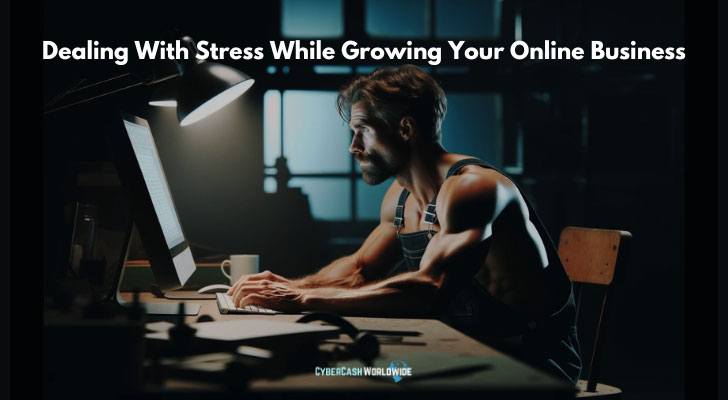
Mental Processing and Information Filters
Your brain struggles to sort through the noise of a thousand daily pings. Most entrepreneurs feel a phantom vibration in their pockets even when their phones are off. High levels of cortisol flood your system when you try to process every data point at once. You need a mental firewall to block out non-profitable distractions. Productivity thrives when you narrow your field of vision to the immediate task.
Selective ignorance helps you stay focused on the work that actually pays the bills. You should ignore the latest trends that do not fit your current business model. Every minute spent chasing a new "hack" is a minute lost to deep execution. Your mental clarity remains intact when you stop trying to consume every piece of content in your niche. Experts often fail because they know too much and do too little.
Filters act as the primary defense against the chaos of the internet. You will find peace when you unsubscribe from ninety percent of the newsletters in your inbox. Notifications should only alert you to major sales or critical system failures. Your focus belongs to you, not to the developers of social media apps. Silence creates the space necessary for the next big idea to surface.
Unsubscribe from every list that does not generate immediate revenue or learning. You will notice a lighter feeling in your chest when your inbox stays empty.
Turn off all non-human notifications on your mobile device. People should reach you through scheduled calls rather than random pings.
Limit your research time to one hour per day to prevent paralysis. Action produces results while endless reading produces anxiety.
Designate a single source of truth for your business data to avoid confusion. You save hours by knowing exactly where to look for your numbers.
Psychological Aspects
The psychological impact of online work stems from several sources. Firstly, the blurring of boundaries between work and personal life leads to a situation where you're always "on," making it hard to switch off and relax. This constant state of alertness keeps the mind in a heightened state of stress.
- Lack of Social Interaction: Human beings are social creatures, and working online often reduces face-to-face interactions. This reduction can lead to feelings of isolation and loneliness, increasing stress levels.
- Overload of Information: The internet is a vast sea of information. When working online, the sheer amount of data one has to process can be overwhelming, leading to decision fatigue and increased stress.
Scientific Factors
From a scientific perspective, stress is a biological response to perceived threats. When you work online, several factors can trigger this response:
- Multitasking: Online work often requires juggling multiple tasks simultaneously. This constant switching of focus can overburden the brain, triggering a stress response.
- Screen Time: Excessive exposure to screens can disrupt sleep patterns by affecting melatonin production, a hormone that regulates sleep. Poor sleep increases cortisol levels, a stress hormone, compounding stress.
CyberCash Wonderland

"Hello, Tinker-Bell? I really need your help. I'm going crazy, CRAZY! I've been working on my own, all by myself for at least 3 months. I haven't had a verbal conversation with anyone for so long that I don't even know what to ask you about... Can I still make money online if I become a gypsy woman like you?"
Decision Fatigue and Daily Automation
Every small choice you make chips away at your willpower before noon. You should automate your meals and clothing to save your mental juice for revenue-generating work. Success often depends on how many minor decisions you can remove from your day. Tired minds make poor choices that cost your business money and reputation. Routine acts as a protective shield for your high-level cognitive functions.
Decisions carry a weight that accumulates throughout the work week. You will find that a standard morning script keeps your mood stable and your energy high. High-performance founders rarely waste time wondering what to do next. Your schedule should dictate your movements so you do not have to think. Discipline is actually a form of self-care for the busy professional.
Automation goes beyond software into the physical realm of your daily life. You save hours of mental labor by prepping your workspace the night before. Simple systems always beat complex plans that require constant adjustment. Your brain relaxes when it knows the plan for the day is already set in stone. Flow states appear more frequently when you remove the friction of choice.
Wear a uniform or a limited set of clothes to eliminate morning stress. You will have more energy to solve problems when you don't worry about your outfit.
Eat the same healthy lunch every day to stay alert during the afternoon. Digestion takes energy that your brain needs for creative output.
Set out your work equipment before you go to sleep each evening. You will start your work session with immediate momentum instead of hesitation.
Create a checklist for your daily shutdown ritual to clear your mind. Closing all the tabs and cleaning the desk signals to your brain that work is over.
Biological Responses
Biologically, stress activates the body's fight or flight response, releasing adrenaline and cortisol. These hormones prepare the body to face a threat but can have harmful effects when the source of stress is constant, as it often is with online work.
- Physical Strain: Prolonged periods of sitting and staring at a screen can cause physical discomfort and strain, contributing to stress. This physical aspect can exacerbate the psychological and scientific factors, creating a cycle of stress.
- Brain Chemistry: Chronic stress can alter brain chemistry, affecting areas responsible for mood regulation and decision-making. These changes can make it harder to manage stress, leading to a decreased ability to focus and increased feelings of anxiety.
Start Writing Things Down and Purge Your Brain
The first step to dealing with stress is by writing everything down – whatever comes to your mind and whatever’s occupying your thoughts at the moment. That way you’ll be able to get a different perspective on things, once you read your notes later. A huge part of making progress is seeing your own words repeated. Try to get an insight into things that are bothering you. You’d be surprised at how seeing everything with a fresh pair of eyes can be beneficial for purging your brain and relaxing.
So what should you write down about?
1. Current Stresses
Right now, you might be facing a mix of concerns:
- Keeping up with market trends and customer preferences
- Managing workload and personal time
- Financial uncertainties or cash flow issues
- Technical setbacks with your website or online platforms
These worries are normal but can feel overwhelming, affecting both your work and your well-being.
2. Goals for Online Business Growth
You have a vision for expanding your business online:
- Increase your product or service range
- Reach a broader base of users
- Enhance your online marketing efforts
- Improve customer service and interaction online
3. Stresses Blocking Your Path
Certain stresses can make it harder to reach your goals:
- Time management difficulties make it challenging to focus on growth strategies.
- Technical issues that take too long to resolve
- Difficulty in standing out in a crowded online marketplace
- Uncertainty on where to invest your resources for the best return

Managing Virtual Assistant Friction
Outsourcing tasks often creates a new set of stressors for the business owner. You must learn to delegate without micro-managing every single step of the process. Friction occurs when instructions are vague or open to multiple interpretations. Your team needs clear boundaries to perform their duties without constant supervision. Trust builds over time as you see the results of their independent work.
Communication remains the most difficult part of managing a remote team. You should use video recordings to show exactly how a task should be done. Misunderstandings cost money and delay your progress toward your next milestone. Your mental load lightens once you realize you do not have to do it all. Quality control happens through systems rather than through constant checking.
Delegation fails when the leader refuses to let go of the small details. You will feel a sense of relief when your inbox contains completed work instead of questions. Good help is hard to find but worth the effort of the search. Your business grows only when you step out of the way of your workers. Freedom is the reward for building a team that functions without you.
Record a three-minute video for every new task you delegate to your team. Visual instructions reduce errors and save you from writing long emails.
Schedule a short weekly check-in to discuss progress and resolve blockers. Regular meetings prevent small issues from turning into major disasters.
Assign ownership of a project instead of just a list of tasks. You will see more initiative when people feel responsible for the final outcome.
Create a shared document for common questions to save time on repetitive explanations. Your team will find answers on their own without interrupting your flow.
Handling Negative Public Feedback
Criticism on the internet feels like a personal attack on your character. You will face trolls and unhappy customers as your brand gains more visibility. Emotional reactions to negative comments will drain your energy for days. Your best defense is a professional response that sticks to the facts. Critics often have more issues with themselves than they do with your business.
Feedback is a data point rather than a judgment on your worth. You should look for patterns in the complaints to see where you should improve. One angry person does not represent the views of your entire customer base. Your reputation stays strong when you handle conflict with grace and logic. Resilience grows every time you choose not to engage with online bullies.
Ignoring the noise is often the most productive choice you will make. You should wait twenty-four hours before responding to any harsh message. Perspective helps you see that most online drama disappears within a week. Your energy belongs to the people who love your work and pay your bills. Focus on the positive testimonials to remind yourself why you started this business.
Delete and block users who are clearly trying to bait you into an argument. You do not owe your time or mental space to people who mean you harm.
Take a screenshot of every positive review and keep them in a special folder. You should read these whenever you feel discouraged by a negative comment.
Draft your response in a separate document before posting it online. You will avoid saying something in the heat of the moment that you later regret.
Limit your time on forums and review sites to once a week. Constant monitoring of your reputation creates a state of high alert that ruins your focus.
Financial Runway and Peace of Mind
Money stress is the most common reason why entrepreneurs quit their ventures. You will feel a constant pressure to perform when your bank account is near zero. Survival mode kills creativity and forces you to make short-sighted decisions. Your primary goal should be to build a buffer of cash for emergencies. Financial health allows you to say no to projects that do not serve you.
Cash flow is the lifeblood of any growing digital enterprise. You must track your expenses with precision to avoid any nasty surprises. Overhead costs should stay as low as possible during the early stages of growth. Your peace of mind increases with every month of living expenses you save. Wealth is a cushion that protects you from the volatility of the market.
Savings provide the courage to take the risks necessary for expansion. You will sleep better when you know a single bad month won't sink you. Profit margins should be your focus rather than just high revenue numbers. Your business should exist to fund your life, not the other way around. Freedom comes from knowing your numbers and managing them with care.
Automate a percentage of every sale to go into a separate tax account. You will never worry about the government taking a huge chunk of your money unexpectedly.
Review your recurring subscriptions every month to cut out the waste. Small fees add up to thousands of dollars over the course of a year.
Maintain a personal emergency fund that is separate from your business capital. You should protect your home and family from the risks of your entrepreneurship.
Set a conservative budget for your marketing spend to ensure a positive return. You will grow faster when you reinvest profits instead of relying on debt.
Avoid Running Around In Circles and Get Help From a Career Coach

Once you’ve made some personal progress in dealing with these stress-related issues, it’s time to consider getting professional help. There are basically two ways you can approach this problem of growing your online business.
You can either take a much harder route and try to do everything by yourself, learning on the fly. This way you’re bound to make progress much slower. Sure, you’ll get much-needed first-hand experience, but you’ll also spend a significant amount of time running around in circles, trying to catch a break.
There’s also a second route, which makes things much easier for you, and that’s getting help from a career coach who can quickly steer you in the right direction. Why waste time doing things the hard way, learning the ropes and all the ins and outs of an online business by yourself, when you can seek professional help right from the get-go and avoid unnecessary frustration and anxiety?
Identifying The Sources of Stress In Your Life
There are a number of factors that can contribute to stress at work, including deadlines, competing demands, and unknown tasks. But there are also things you can do to reduce your stress levels.
Identifying the sources of stress in your life is the first step in managing them. If you know what's causing the stress, you can start to take steps to reduce it.
Some of the most common sources of stress at work include:
Deadlines:
If your job requires you to meet tight deadlines, it can be very stressful. Trying to stay on top of multiple deadlines at once can be overwhelming. Setting realistic deadlines will help you feel better about meeting them and less stressed.
Competing demands:
If you're working on a project with other people, it's easy for them to put additional demands on your time. Make sure you're not taking on too much responsibility or trying to do too many things at once. This will only create more stress.
Unclear tasks:
Sometimes tasks at work are unclear or vague. This can lead to a lot of anxiety and uncertainty because we don't know what's coming next. Try to ask questions if you don't understand something.
Focus On the Positive Things
After you’ve made sure that both you and your business are back on the right track, in terms of not having to deal with all the undesired pressure and tension, it’s pertinent that you continue to focus on the positive things. Dwelling on the negatives won’t do you or the business any good, so you need to make sure to remember the things that are going alright at the moment.
There’s no doubt that life’s going to continue throwing you those unwanted curveballs, but it’s how you respond to them that matters. We strongly encourage you to make a list of accomplishments and milestones of your online business. You might have trouble remembering them at first, but once you start digging a little deeper you’ll probably realize pretty soon that there are quite a few accolades that you can pride yourself in.
And even if you’re having a difficult time remembering all the good stuff, you should still try to use all the negatives and business setbacks as a fuel. Motivating yourself in such moments of crisis and stress is crucial for getting out of the slump.
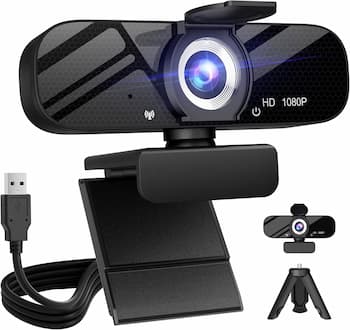
Full HD Webcam with Built-in Microphone and Rotatable Tripod
Full HD Video and Wide Angle Lens - The Tewiky High Definition 1080p Webcam features a wide angle lens and delivers crisp clear images and fluid video at 30 frames per second while gaming, video calling, online teaching, live streaming, or recording.
We earn a commission if you click this link and make a purchase at no additional cost to you.
Coping Mechanisms to Deal With Stress
If you're like most people, you probably experience stress from time to time when you're working. Maybe you have a lot of deadlines looming and you feel like you can't meet them, or maybe your boss is giving you a lot of extra work to do. Whatever the cause, there are some basic things you can do to help relieve stress and get through your workday with as little trouble as possible.
Establish some boundaries.
If something is stressing you out too much, let yourself know right away and set some limits on how much of it you can handle. This might mean setting a strict limit on how many phone calls you can take during work, or saying that you'll only stay on the phone for a certain amount of time before hanging up. If your boss is Giving You Too Much Work, Explain Your Objections
Take breaks.
When things start to get too hectic, take a few minutes to yourself to relax. Maybe go for a walk outside, take a hot shower, or read your favorite book. This will help refresh your mind and give you the energy you need to continue working effectively.
Taking Steps to Reduce the Amount of Stress In Your Life
There are a few things you can do to reduce the amount of stress in your life. First, take some time for yourself. Dedicate some time each day to relax and de-stress. This can be done by taking a walk, reading a book, listening to music, or doing something that you enjoy.
If you’re like most people, you feel overwhelmed and stressed most of the time. It can be hard to make time for yourself when there are so many demands on your time and energy. However, it is important to find ways to deal with stress while working. Here are a few tips that may help:
1. Make sure you have enough water available
When you’re feeling stressed, your body goes into “fight or flight” mode which means your brain sends out hormones that make you thirsty. Making sure you drink plenty of water can help to calm down and reset your body back to its normal state.
2. Get outside
Spend some time in nature – fresh air has been proven to help reduce stress levels and improve moods. Spending time outdoors also gives your brain a chance to release endorphins – natural painkillers that can have positive effects on your mood and cognitive function.
3. Take breaks often
If possible, take shorter breaks instead of longer ones during the day when you feel stressed out. This way, you won’t get too wound up by the stressors around you and will be able to come back refreshed and renewed.
4. Set good goals
Another way to reduce the amount of stress in your life is to set reasonable goals and expectations for yourself. Make sure that what you are striving for is achievable and realistic, and don't put too much pressure on yourself.
5. Try to move forward
Finally, remember that there is always someone out there who is worse off than you. Don't take things personally when things go wrong, and try not to catastrophize situations. Instead, focus on learning from the experience and moving forward.
Cognitive Load and Decision Exhaustion
Every choice you make drains a finite pool of mental energy. The selection of a font or a color scheme uses the same resources as a major contract. Your brain does not distinguish between small and large decisions. Fatigue sets in as the list of tasks grows longer. You end the day feeling depleted and unable to think.
Automation is the answer to this drain on your focus. Computers handle the repetitive tasks that eat your time. You should save your brainpower for high-level strategy. Mental clarity returns when you stop micromanaging every detail. Your business grows faster when you delegate the trivia.

Cognitive Load and Decision Exhaustion
Stress is often just a symptom of an overloaded RAM. Your mind attempts to hold too many variables at once. Mistakes happen when your cognitive capacity is pushed to the limit. You need a system that captures ideas outside of your head. Externalizing your thoughts lowers the internal pressure.
Standardize your morning routine to save mental energy for work.
Use templates for recurring emails and client communications.
Batch your administrative tasks into a single afternoon session.
Cortisol Spikes and the Midnight Panic
Adrenaline levels often rise when the sun goes down. Your body misinterprets business worries as a physical threat. Nighttime thoughts revolve around worst-case scenarios and failures. You lie awake while your heart races for no apparent reason. Sleep becomes impossible when your system is flooded with stress.
Cortisol should be low in the evening to allow for rest. High-growth phases disrupt this natural cycle of hormones. Your brain stays in a state of hyper-vigilance. You find yourself checking stats at midnight instead of sleeping. The habit reinforces the panic loop in your nervous system.
The interruption of the cycle requires a shift in your evening habits. Darkness signals to your brain that the day is over. You need to disconnect from the digital world before you lie down. Lowering your body temperature helps to quiet the mind. Peace is a chemical state that you must facilitate.
Keep a notepad by your bed to vent midnight thoughts.
Apply a cold compress to your neck to slow your heart.
Write a list of wins before you turn off the lights.
The Feedback Loop of Algorithmic Anxiety
Algorithms dictate the visibility of your brand and products. Changes in code feel like a direct attack on your livelihood. You watch the numbers drop and feel a sense of dread. Your mood becomes tied to a line on a graph. The reliance on external platforms creates a constant state of fear.
Anxiety peaks when you lose control over your traffic source. You worry that one update will wipe out your progress. Dependence on a single platform is a recipe for mental instability. Diversification is the only way to find security in a digital market. You must build assets that you own and control.
Mental health suffers when you chase the latest trends. Your brain craves stability but the internet offers only change. Stability comes from a loyal list of direct contacts. Focus on the people rather than the machines that sort them. You will feel more secure when your business is human-centric.
Prioritize your email list over your social media following.
Schedule a day each week to stay off all platforms.
Invest in multiple streams of income to spread the risk.
Neural Plasticity and the Shift to Expansion
Growth requires a fundamental change in how you think. Your old habits will not work in a larger operation. Brain circuits must rewire to handle the new complexity. You feel a sense of friction as you learn new skills. The discomfort is a sign that your mind is expanding.
The expansion involves letting go of the small details you love. You must trust others to handle the daily operations. Trust is a skill that you build through repetition. Your brain learns to focus on the big picture instead of the weeds. The mental shift is necessary for your long-term health.
Stress decreases when you stop being the bottleneck. You create systems that run without your direct input. Freedom comes from building a machine that works for you. Your nervous system relaxes as the pressure of the hustle fades. You move from a worker to a true owner.
Write down every step of a process before you hire help.
Review your weekly schedule to find tasks to delete.
Focus on one new skill at a time to prevent overload.
Dopamine Depletion in a High-Growth Phase
Fast success feels good because it floods the brain with dopamine. You get a rush from every sale and new subscriber. The high is temporary and requires more stimulation to stay active. You eventually crash when the growth plateaus or slows down. Your brain enters a state of withdrawal that feels like sadness.
Sustainable growth requires a move away from the dopamine chase. You must find satisfaction in the work itself. Results are often outside of your direct control. Your brain needs to learn to value consistency over intensity. Slow progress is better for your mental health than a spike.
Burnout happens when you run on empty for too long. Your receptors become less sensitive to the pleasure of winning. You feel numb despite reaching milestones you once wanted. The act of improving your sensitivity takes time and quiet contemplation. You need to disconnect to reconnect with your drive.
Celebrate the small wins that happen every single day.
Take a full weekend off after a big launch or project.
Limit your time looking at revenue dashboards to once daily.
The Biology of Comparison and Social Signals
Humans are wired to look at others for status cues. Your brain compares your behind-the-scenes with their highlight reel. Social media makes this comparison a constant and painful event. You feel inadequate even when your business is doing well. The biological instinct is harmful in a digital environment.
Envy triggers the same parts of the brain as physical pain. You experience a literal ache when you see a competitor succeed. The feelings are old evolutionary responses to tribal status. Your business is not a tribe and their gain is not your loss. You must train your mind to focus on your own path.
Peace comes when you unfollow the voices of doubt. Your digital environment should support your mental well-being. Mute any account that makes you feel like a failure. Focus on the needs of your customers instead of your peers. Your bank account cares about your work, not your status.
Filter your feed to show only helpful or neutral content.
Limit your time on platforms that trigger feelings of envy.
Focus on your own data instead of public industry metrics.
Physical Tension and the Skeletal Stress Response
Stress manifests in your body as tight muscles and shallow breath. Your jaw clinches when you read a difficult email. Shoulders rise toward your ears as the workday goes on. The physical state tells your brain that you are in danger. You stay in a fight-or-click mode for hours at a time.
Chronic tension leads to pain that drains your focus. Back aches and neck stiffness are signs of a stressed mind. You cannot think clearly when your body is in distress. Movement is the fastest way to break the physical stress cycle. Your brain relies on your body to feel safe and secure.
Breath is the link between your mind and your body. Slow exhales tell your nervous system to stand down. You will feel a shift in your mood as your muscles relax. Stretching releases the stored energy of a hard day. Your business requires a body that is supple and strong.
Roll your shoulders back every time you finish a task.
Exhale slowly through your mouth to calm your nerves.
Walk around the room while you are on a phone call.
The Chemistry of Isolation in Solopreneurship
The construction of a business alone creates a sense of deep loneliness. Humans are social animals and isolation is a major stressor. You lack the feedback and support of a traditional office. Your brain starts to loop negative thoughts without outside input. The solitude is a heavy burden for the entrepreneurial spirit.
Oxytocin is the hormone that counters the effects of cortisol. You get this chemical from positive interactions with others. A lack of social contact makes stress feel much worse. You need to find a tribe that knows your world. Interaction is a biological necessity for your mental health.
Digital connection is not a substitute for physical presence. Your brain needs to see faces and hear voices in real time. Loneliness results in a decline in cognitive function over time. You should make time for friends who do not talk about work. Life is larger than your revenue or your brand.
Work from a coffee shop to be around other humans.
Join a local group of small business owners to talk shop.
Call a friend or a family member during your lunch break.
Financial Volatility and the Amygdala Hijack
Money is a survival signal for the primitive brain. Low cash flow triggers the amygdala, the fear center of the mind. You lose the ability to think logically when you feel broke. Fear shuts down the creative parts of your intellect. The response makes it harder to solve the financial problem.
Stress over money is a leading cause of business failure. You make desperate moves that hurt your brand in the long run. Calming the amygdala is your first priority in a crisis. Logic returns when you acknowledge the fear and move forward. You need a buffer to keep your mind in a state of flow.
Wealth is a game of patience and steady nerves. Your brain must stay cool when the markets are hot. Panic is a contagious emotion that results in poor choices. Focus on the long-term value you are creating for others. Stability starts with a plan and a calm heart.
Build an emergency fund that covers six months of bills.
Review your finances only on a set schedule to limit worry.
Automate your savings so you don't have to think about it.
Sleep Patterns and Business Continuity
Sleep is a strong performance booster for your brain. Your mind processes the events of the day during deep rest. Lack of sleep impairs your judgment and your mood. You become reactive instead of proactive when you are tired. Your business suffers when your brain is half-awake.
Nightly rest is the time when your cells repair themselves. Growth hormone is released to fix the damage of stress. You wake up with fresh ideas after a full night of sleep. A long look at your habits will show if you are sabotaging yourself. Your future success depends on your ability to disconnect.
Routine is the key to a healthy sleep cycle. Go to bed at the same time to set your internal clock. Avoid screens for an hour before you close your eyes. Your brain needs darkness and coolness to enter deep states. Peace in the night leads to power in the morning.
Install blackout curtains to keep your bedroom dark.
Keep your room cool to help your body temperature drop.
Read a fiction book to pull your mind away from work.
Gut-Brain Communication and Entrepreneurial Intuition
Your digestive system contains a complex network of neurons. The second brain communicates directly with your head. Stress often causes stomach issues that distract from your work. You feel gut feelings because of this physical connection. Health in your gut results in clarity in your mind.
Food choices impact your mood and your energy levels. Sugary snacks cause a crash that ruins your afternoon focus. Brain fog is often a result of what you ate for lunch. You need steady fuel to keep your business moving forward. Your intellect relies on the nutrients you give to your body.
Inflammation in the gut results in inflammation in the brain. The state makes it hard to handle the daily grind. You feel irritable and overwhelmed when your system is off. Focus on whole foods that support a healthy microbiome. Your intuition is sharper when your gut is calm.
Drink plenty of water to keep your digestion smooth.
Eat fiber-rich foods to feed the good bacteria in your gut.
Avoid eating at your desk so your body can focus on digestion.
The Vagus Nerve and Stress Regulation
The vagus nerve is the longest nerve in your body. It controls the rest and digest part of your nervous system. It is possible to stimulate this nerve to lower your stress levels. Simple actions like humming or splashing cold water help. The nerve is a direct line to a state of calm.
Entrepreneurs often stay in a high-arousal state for too long. Your vagus nerve becomes weak and less responsive over time. You find it hard to relax even when work is finished. Toning this nerve helps you to switch off more successfully. Resilience is a physical trait you can develop.
Calmness is a skill that requires practice and patience. You will notice a difference in how you react to problems. Your brain stays quiet when the world around you is loud. Use your body to signal safety to your mind. A strong vagus nerve is a secret asset for success.
Splash ice-cold water on your face to trigger a reset.
Hum a song while you work to stimulate the nerve in your throat.
Practice deep belly breathing to send a calm signal to the brain.
Mitochondria Health for Sustained Energy
Mitochondria are the powerhouses of your individual cells. They convert food and oxygen into energy for your brain. Stress and poor sleep damage these tiny structures over time. You feel tired and unmotivated when your cells are failing. Your business runs on the energy produced in your mitochondria.
Sunlight is a natural way to boost your cellular energy. Spend time outside every day to soak up the rays. Movement also helps to create more of these power centers. You will find that you have more stamina for long projects. Energy is the currency of the modern entrepreneur.
Toxins in your environment can slow down your energy production. Clean air and water are required for your mental health. Avoid processed chemicals that interfere with your biology. You want your cells to be as efficient as possible. Power comes from the inside out.
Step outside for ten minutes of sunlight every morning.
Eat colorful vegetables to provide antioxidants to your cells.
Take short walks throughout the day to keep your energy up.
The Paradox of Choice in Software Selection
Modern business presents an endless array of digital options. You spend hours researching apps instead of doing the work. Too much choice results in a state of mental paralysis. You worry about picking the wrong program for your needs. Indecision is a massive drain on your productivity.
Simplicity is the way to beat the paradox of choice. Pick a few core programs and stick with them for a year. Perfection is an illusion that keeps you from starting. Your business grows through action rather than through software. Focus on the results instead of the setup.
Clear your digital desktop of any apps you do not use. A cluttered screen results in a cluttered and anxious mind. You feel lighter when you reduce your dependence on tech. Less is more when it comes to your mental overhead. Success is about the output, not the assets you use.
Limit your research for new software to thirty minutes.
Uninstall any app that you haven't opened in a month.
Focus on the one feature that solves your biggest problem.
Cognitive Reframing for Tech Failures
Technology will fail you at the most inconvenient times. Servers go down and websites crash during major launches. Your first reaction is often one of anger and panic. The response does not fix the problem and hurts your health. You must learn to view these events as neutral data points.
Problems are just opportunities to build a better system. Reframing the failure helps you to stay calm and focused. You will find a solution faster when you aren't screaming. Your team looks to you for a steady and calm lead. Peace is a choice you make in the face of chaos.
Preparation reduces the impact of any digital disaster. Always have a backup plan for your most weighty systems. You will feel more confident when you know what to do. Stress fades when you take control of your reaction. Your business is resilient because you are resilient.
Back up your website files to a secure cloud every day.
Keep a list of tech support contacts in a physical book.
Take a deep breath before you react to any error message.
The Myth of the Hustle and Mental Longevity
Culture often glamorizes the idea of working until you drop. The mindset is a trap that ends in a short career. You cannot sustain a high level of work without recovery. Long-term success is a marathon rather than a sprint. Your brain needs breaks to stay sharp and creative over the years.
Longevity requires a focus on your own well-being today. You want to be in the game for decades, not just months. Burnout is a high price to pay for a quick win. Protect your mental health as your most valuable business asset. You will be glad you took the time to rest.
Success is hollow if you are too tired to enjoy it. Life is happening now, not just when you reach a milestone. Find a pace that allows you to live while you work. Your business should serve your life, not the other way around. Perspective is the key to a happy and wealthy existence.
Set a hard stop time for your workday and stick to it.
Schedule a vacation every six months to fully reset.
Focus on the process of work instead of the end result.
Sensory Overload in a Digital Workspace
Your brain struggles to process the constant flood of sensory input from your computer. Bright colors and flashing ads demand your attention every second you are online. The environment keeps your nervous system in a state of high alert. You feel overstimulated and unable to find a moment of peace. The digital world is a loud place that never stops talking to you.
Quiet is a requirement for deep thought and creative work. You must curate your physical and digital surroundings to support your mind. Silence allows your brain to settle and find its natural rhythm. You will find that your best ideas come when the noise stops. Safety for your senses is a form of self-care for the modern worker.
Background sounds and messy desks add to the mental weight of your day. Your eyes and ears are always sending data to your brain for processing. A reduction of this input lowers the overall pressure on your system. You feel more in control when your space is clear and calm. Peace starts with the limits you set on the world around you.
Use noise-canceling headphones to block out external distractions.
Clear your desk of any items that do not help your work.
Listen to brown noise or rain sounds to mask sudden interruptions.
CyberCash Wonderland

"What's the point of wearing a tie? You haven't seen anyone in ages."
"Well, they say get dressed to improve productivity..."
"Don't believe in that shit! Go outside and get some sunshine!
Platform Dependency and Algorithm Shifts
Relying on a single social media platform is a recipe for high anxiety. You will feel helpless when an algorithm change wipes out your traffic overnight. Diversification of your traffic sources keeps your business stable and safe. Your email list is the only asset you truly own in the digital space. Platforms come and go, but direct communication with your customers remains.
Adaptation is a necessary skill for anyone working in the online world. You should spend your time building assets that you control completely. SEO and content marketing yield a steady stream of leads over the long term. Your brand must exist outside of the confines of a single website or app. Resilience is built by having multiple ways to reach your ideal clients.
Panic occurs when your entire livelihood is in the hands of a tech giant. You will notice a shift in your stress levels once you start own-channel marketing. Newsletters and private forums deliver a safe haven for your brand's growth. Your energy should go into building a loyal base that follows you anywhere. Security comes from owning the relationship with the people you serve.
Export your customer data and email lists at least once a week. You will protect your most valuable asset from accidental loss or platform bans.
Create content on multiple platforms to reduce the risk of a single point of failure. You should spread your message across text, video, and audio channels.
Focus on building a strong brand name that people search for directly. You will worry less about keywords when your customers know exactly who you are.
Set up an affiliate program to have others drive traffic to your site. You will have a team of partners who help grow your reach without your direct effort.
The Trap of Endless Learning
Consuming too much information leads to a state of mental paralysis. You often use "learning" as a way to avoid the hard work of building. Courses and books should only serve to solve a problem you face right now. Your time is finite and every hour spent watching videos is an hour not doing. Knowledge without execution is just a form of entertainment for the mind.
Mastery comes from doing the work repeatedly until you get it right. You will learn more from one failed launch than from ten expensive classes. High achievers focus on the one skill that will move the needle forward. Your business needs a builder more than it needs a professional student. Clarity arrives when you stop searching for the perfect piece of advice.
Filters should apply to the experts you follow and the books you read. You should implement one thing from every resource before buying the next. Progress is measured by your output rather than by your intake of data. Your growth will accelerate once you prioritize your own results over others' opinions. Wisdom is the result of applying what you know to the real world.
Set a strict budget for books and courses to prevent overspending on learning. You will force yourself to extract every bit of value from what you already own.
Unfollow every "guru" who makes you feel like you are not doing enough. You should protect your confidence from people who profit from your insecurity.
Schedule a block of time for implementation after every hour of study. You will ensure that your new knowledge actually turns into a business improvement.
Write down one particular action after you finish reading a business article. You will turn passive consumption into a series of small, productive wins.

Setting Hard Digital Boundaries
Technology blurs the line between your personal life and your work tasks. You find yourself answering emails at the dinner table or late at night. Burnout happens when you never truly disconnect from the digital world. Your brain needs downtime to recover from the high-stress environment of sales. Physical distance from your devices is the only way to ensure a real break.
Boundaries protect your relationships and your long-term mental health. You should inform your clients of your "dark hours" when you are not reachable. Respect for your own time will teach others to respect it as well. Your family deserves your full presence without the distraction of a screen. Peace is found in the moments when the internet does not exist for you.
Digital detoxes should be a regular part of your weekly business routine. You will return to your work with fresh eyes and a more positive attitude. Silence is a luxury that every successful entrepreneur must learn to enjoy. Your business will not collapse if you go offline for twenty-four hours. Recovery is just as productive as work when you look at the big picture.
Leave your phone in a separate room after seven o'clock every evening. You will enjoy a better night of sleep and more focus on your family life.
Use an app to block social media during your most productive work hours. You will remove the temptation to scroll when you should be writing or coding.
Designate one day a week as a "no-screen" day for your mental health. You will find that your best ideas come when you are far away from your computer.
Set an auto-responder on your email to manage expectations during your time off. You will feel less pressure to check your inbox when people know when to expect a reply.
Physical Ergonomics for Long Sessions
Chronic pain distracts you from your work and lowers your overall mood. You will struggle to think clearly when your neck and back are constantly aching. Proper posture is a requirement for anyone who spends their life at a desk. High-quality equipment is an investment in your future health and productivity. Your body will eventually pay the price for the shortcuts you take today.
Movement helps oxygenate your brain and keeps your energy levels stable. You should switch between sitting and standing throughout your entire workday. Small adjustments to your monitor height will prevent significant eye strain. Your workspace should support your physical needs rather than fight against them. Health is the foundation upon which your entire business empire is built.
Neglecting your body leads to a shorter career and a lower quality of life. You will find that regular stretching reduces the tension in your shoulders. Hydration keeps your mind sharp and prevents the fog that leads to errors. Your physical state dictates how you respond to the daily stress of work. Energy is a finite resource that you must manage with great care.
Place your monitor so the top of the screen is at your eye level. You will stop leaning forward and putting unnecessary pressure on your spine.
Drink a full glass of water every time you finish a major task. You will stay hydrated and force yourself to take a short walk to the kitchen.
Stretch your hip flexors and chest for two minutes every afternoon. You will counteract the effects of sitting and improve your overall circulation.
Buy a mouse that fits the shape of your hand to prevent wrist pain. You will work faster and with more comfort when your equipment matches your body.
The Psychology of Refund Requests
Every business owner feels a sting when a customer asks for their money back. You will often take a refund as a personal failure of your product or service. Financial losses are a normal part of doing business on a large scale. Your focus should stay on the many happy customers who love your work. Refunds are often more about the customer's situation than your own quality.
Professional systems help you handle these requests without any emotional drama. You should have a clear policy that you follow every single time. Speed in processing a refund often prevents a negative review later on. Your reputation is worth far more than the cost of a single transaction. Logic must prevail over the desire to argue with a dissatisfied buyer.
High-quality products still face returns due to simple buyer's remorse. You will notice that some niches have higher return rates than others. Feedback from these situations will help you refine your sales message. Your brand grows stronger when you show integrity in your business dealings. Resilience means moving on to the next sale without looking back in anger.
Process every valid refund request within twenty-four hours to maintain goodwill. You will end the relationship on a professional note rather than a hostile one.
Ask for a brief reason for the return without being pushy or aggressive. You will gather data that helps you improve your product for future buyers.
Set aside a small percentage of revenue to cover potential refund costs. You will never feel a financial pinch when a customer changes their mind.
Review your sales page to ensure you are not over-promising on your results. You will attract better clients when your marketing matches the actual experience.
Scaling Without Losing Quality
Growth brings a new set of problems that you did not face as a solopreneur. You will find that things which worked for ten clients fail for a hundred. Quality control becomes a full-time job as you expand your reach. Your reputation depends on your ability to maintain a high standard of work. Complexity is the enemy of a smooth and profitable business expansion.
Standardization is the key to delivering the same results at scale. You must document every step of your fulfillment process for your team. Errors happen more frequently when you rely on memory rather than systems. Your brand stays consistent when everyone follows the same set of rules. Efficiency grows as you remove the guesswork from your daily operations.
Automation handles the volume while your team handles the exceptions. You will feel more confident in your growth once your systems are robust. Expansion should never come at the cost of your customer's satisfaction. Your energy should remain on the high-level strategy and vision for the future. Success is built on a foundation of repeatable and reliable processes.
Create a checklist for every product launch to ensure nothing is missed. You will reduce the stress of the big day by following a proven plan.
Hire a project manager to oversee the details of your daily operations. You will free up your mind to focus on the big ideas that drive revenue.
Automate your onboarding process for new clients to save time and energy. You will provide a professional experience without having to send manual emails.
Review your internal systems every six months to find and fix bottlenecks. You will stay ahead of the growth curve and prevent future crises.
Dealing with Seasonal Revenue Dips
Online businesses often face periods where sales seem to disappear entirely. You will feel a sense of panic if you are not prepared for these slow months. Market trends and holidays dictate much of the behavior of your customers. Your business needs a strategy for the off-season to keep the lights on. Patience is a requirement for anyone who wants to last in this industry.
Use the slow times to work on the projects you usually ignore. You should focus on building your audience when you are not selling to them. Content creation and system updates are perfect tasks for a quiet month. Your income will eventually bounce back if you stay consistent with your work. Resilience is developed during the times when the numbers are not growing.
Financial planning should account for the highs and lows of the year. You will feel more stable when you look at your revenue over a year. Diversified offers help smooth out the peaks and valleys of your cash flow. Your stress levels will drop once you stop expecting a linear growth path. Stability comes from a long-term view of your brand and its progress.
Plan your major launches around the times when your customers are most active. You will maximize your results by working with the natural cycle of the market.
Save a portion of your profits from the big months to cover the slow ones. You will avoid the stress of a low bank balance during the holiday seasons.
Run a special promotion or sale to boost revenue during a quiet period. You will give your loyal followers a reason to buy when they might otherwise wait.
Focus on improving your customer service and retention during the off-season. You will build a stronger foundation for when the traffic picks up again.
The Isolation of the Home Office
Working alone for years creates a sense of disconnection from society. You will find that digital friends are not a replacement for real human contact. Isolation leads to a narrow perspective and a lack of creative energy. Your mental health depends on your ability to socialize outside of work. Loneliness is a silent tax that many digital entrepreneurs pay every day.
Effort is required to build a social life when you work from home. You should make it a point to leave the house at least once every day. Local networking events and hobby groups provide a sense of belonging. Your business will survive while you take an afternoon to be with people. Connection with others reminds you of the world beyond your computer screen.
Mentors and peers understand the particular struggles you face every day. You will find that sharing your problems makes them feel much smaller. Supportive relationships act as a safety net for your emotional well-being. Your energy will increase when you feel like part of something bigger. Human interaction is a basic need that you must satisfy to stay healthy.
Work from a coffee shop or a co-working space twice every week. You will feel less isolated when you are surrounded by the buzz of other people.
Schedule a regular phone call with a friend who is also an entrepreneur. You will have a safe space to discuss the highs and lows of your business.
Join a local club or class that has nothing to do with your work. You will meet people from different walks of life and gain a fresh perspective.
Host a small meetup for other local business owners in your city. You will build a network of support that helps everyone involved grow faster.
Managing Expectations with Family
Loved ones often struggle to understand the demands of a digital career. You will face interruptions and requests for your time during work hours. Conflict arises when your family feels like you are always at the office. Your business needs a dedicated space where you are not to be disturbed. Communication is the only way to balance your professional and personal lives.
Boundaries must be clearly stated and enforced with kindness and firmness. You should explain the value of your deep work sessions to your partner. Respect for your schedule will follow once you show that you are serious. Your presence during family time is just as vital as your focus during work. Peace at home leads to better performance in your business activities.
Balance is a myth that you should replace with a focus on presence. You will feel less guilty when you give your full attention to one thing. Guilt is a wasted emotion that drains the energy you need for your goals. Your family should be the reason you work hard, not the victim of it. Success is hollow if you lose the people you love along the way.
Close the door to your office when you are in a deep work session. You will signal to everyone in the house that you are not to be interrupted.
Set specific times for family activities and put them on your calendar. You will ensure that your loved ones get the best version of you every single day.
Explain your business milestones to your family so they feel involved. You will build a team of supporters who cheer for your success rather than resent it.
Put your work phone in a drawer during dinner and evening family time. You will show that your relationships are more important than a random notification.
The Sunk Cost Fallacy in Software
Many business owners keep paying for systems they no longer use or need. You will feel a sense of loyalty to a platform just because you used it. Money wasted on ghost subscriptions is money that could fund your growth. Your tech stack should be lean and only contain what is necessary. Logic should dictate your spending rather than a fear of letting go.
Audit your monthly recurring costs every single quarter without fail. You should cancel any service that has not yielded a return recently. Freeing up cash flow allows you to invest in better opportunities elsewhere. Your business thrives when you are willing to cut the dead weight. Efficiency is the result of constant refinement of your internal systems.
Learning a new system feels like a chore that you want to avoid. You will stay stuck with outdated software if you fear the change. Better alternatives often exist that will save you time and frustration. Your energy belongs to the work that moves you forward, not to old tech. Progress requires a willingness to abandon what no longer serves your brand.
Check your credit card statements for every recurring business expense. You will likely find at least one subscription that you forgot you even had.
Compare the cost and features of your current software with newer options. You will stay competitive by using the most efficient systems for your niche.
Consolidate your tasks into one platform instead of using five separate ones. You will reduce the complexity of your workflow and save a lot of money.
Switch to annual billing for the software that you know you will keep. You will often save twenty percent or more just by paying for the year upfront.
Supplements To Ease Your Stress
There are several supplements known to help manage stress levels. However, it's crucial to consult with a healthcare professional before starting any new supplement, especially if you have existing health conditions or are taking other medications. Here are some supplements commonly used to support stress management:
- Magnesium: Known for its ability to relax muscles and ease nervous tension. Magnesium can also improve sleep quality, which is often affected by stress.
- Omega-3 Fatty Acids: Found in fish oil supplements, omega-3s have been shown to reduce the symptoms of stress and anxiety.
- Ashwagandha: An adaptogen that helps the body manage stress more effectively. It's been used in traditional medicine for centuries to calm the mind and promote balance.
- B Vitamins: B-complex vitamins play a vital role in mood regulation and stress management. They're essential for energy production and the proper function of the nervous system.
- Vitamin D: Often called the “sunshine vitamin,” Vitamin D deficiency has been linked to increased levels of stress and mood swings. Supplementing can help improve mood and overall well-being.
- L-Theanine: An amino acid found in green tea, L-theanine promotes relaxation without drowsiness, making it helpful for easing stress and improving focus.
- Probiotics: Emerging research suggests a link between gut health and mood. Probiotics can help balance gut bacteria, which may have a positive effect on stress levels and mental health.
- Rhodiola Rosea: Another adaptogen, Rhodiola Rosea, has been shown to help the body adapt to and resist physical, chemical, and environmental stress.
Dealing With Stress While Growing Your Online Business
Growing an online business can be a rather challenging and complicating endeavour. No matter how stressful or bleak your current situation may seem, it’s essential to try to deal with those problems and issues to the best of your abilities.
If you feel that things are slowly but surely getting out of control, we recommend you to seek professional help. Not only will you be able to get on the right track much quicker, but you’ll also put yourself in a position to prosper and further grow – personally and business-wise.
How I "Finally" Make Over $7,000 Monthly Income
"The most valuable thing I've ever done!"

Good post. While it seems like a dream position to work for yourself from home, the reality often belies the fantasy.
What you point out about the difficulty of separating work and home life is certainly my experience Michael: oftentimes you’re always at work!
Because their are responsibilities at home, these often become a part of your working day, for time efficiency. This has a knock on effect though of pushing out some of your business work. It’s not unusual at all for me to work on my online business in chunks throughout the day and into the evening as a result. This makes the separation difficult because you’re always “on”!
To a certain extent, it’s never going to be something you can just switch off… that’s part of the trappings of being self-employed.
I like the idea of writing things down to articulate your feelings and responsibilities. This act alone can help because it gives you a visual handle on how much you actually have to do. Without such techniques, work can feel very oppressive.